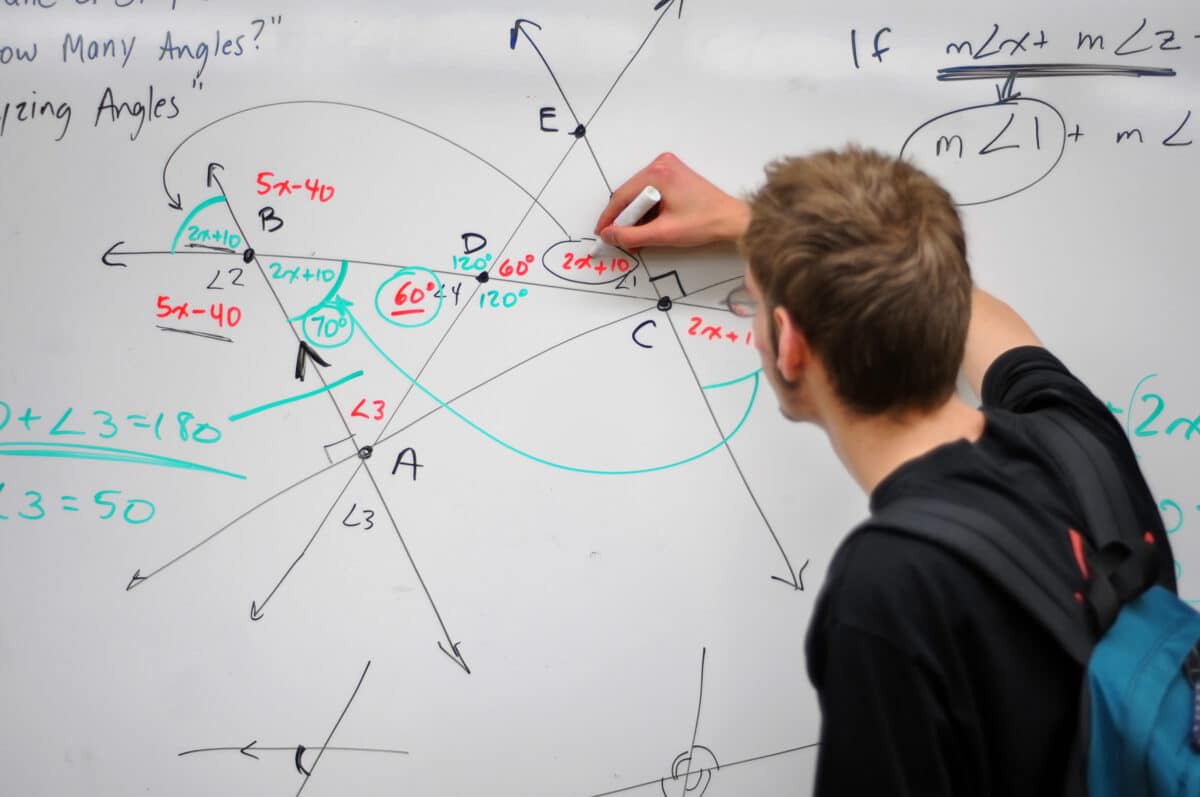
student-writing-math-on-whiteboard-stockpack-adobe-stock-22797646-stockpack-adobestock Type post Author David Klinghoffer Date March 27, 2026 CategoriesFaith & ScienceIntelligent DesignPhysics Tagged , Brian Miller, Center for Science and Culture, church, compassion, contradictions, electrons, Elizabeth Urbanowicz, emotional intelligence, Energy, faith and science, general relativity, graduate students, light, Mass, quantum mechanics, Scripture, sensitivity, space, stars, students, Summer Seminar on Intelligent Design, tensions, undergraduates, understanding, Young Earth Creationism Brian Miller on Emotional Intelligence in Science, Scientific Tensions, and More David Klinghoffer March 27, 2026 Faith & Science, Intelligent Design, Physics 3 The context is when students with a religious background enter the sciences at the undergraduate or graduate level. Read More ›
3648px-ConcarenadaNiardo Type post Author David Klinghoffer Date January 23, 2026 CategoriesHuman Origins and AnthropologyPaleontology Tagged , bear cave, Boy Scouts, Caverna Generosa, Denisovans, generosity, hierarchies, high altitudes, historical racism, human groups, hunter-gatheresr, intelligence, Italy, Journal of Quaternary Science, journeys, Lombard Prealps, motto, Neanderthals, sensitivity, settlements, stereotypes, tools Be Prepared: Here Are Portable Neanderthal Toolkits David Klinghoffer January 23, 2026 Human Origins and Anthropology, Paleontology 3 Folks, that is impressive behavior. As David Coppedge says, let’s ditch the historical racism. Read More ›
mushrooms Type post Author Daniel Witt Date April 29, 2024 CategoriesBiologyChemistryGeneticsIntelligent DesignLife SciencesNeuroscience & MindPhysics Tagged , agency, complexity, consciousness, evidence, evolution, free will, human behavior, imago Dei, intelligence, intelligent design, Internet, Judeo-Christian tradition, learning, materialism, memory, mind, Ohio, randomness, science writers, scientists, sensitivity Do Fungi Have Free-Will? Daniel Witt April 29, 2024 Biology, Chemistry, Genetics, Intelligent Design, Life Sciences, Neuroscience & Mind, Physics 8 Whenever a new hypothesis like this is published and calmly debated in scientific journals without arousing any furor, your first instinct may be to scoff. Read More ›
classroom Type post Author Sarah Chaffee Date June 14, 2019 CategoriesScience Education Tagged , __k-review, abiogenesis, biological diversity, educators, ethnicity, evidence, evolution, evolutionary biologists, morality, peer-reviewed literature, pornography, religion, religious beliefs, science, Science Alert, science education, sensitivity, sex, students, teacher, terrorism, The Conversation, The Independent Should We Teach Evolution as a Sensitive Issue? Sarah Chaffee June 14, 2019 Science Education 3 That’s what priest and professor of science education Michael Reiss argues. Read More ›