






































Science and Culture Today Discovering Design in Nature
Topic

Nevada

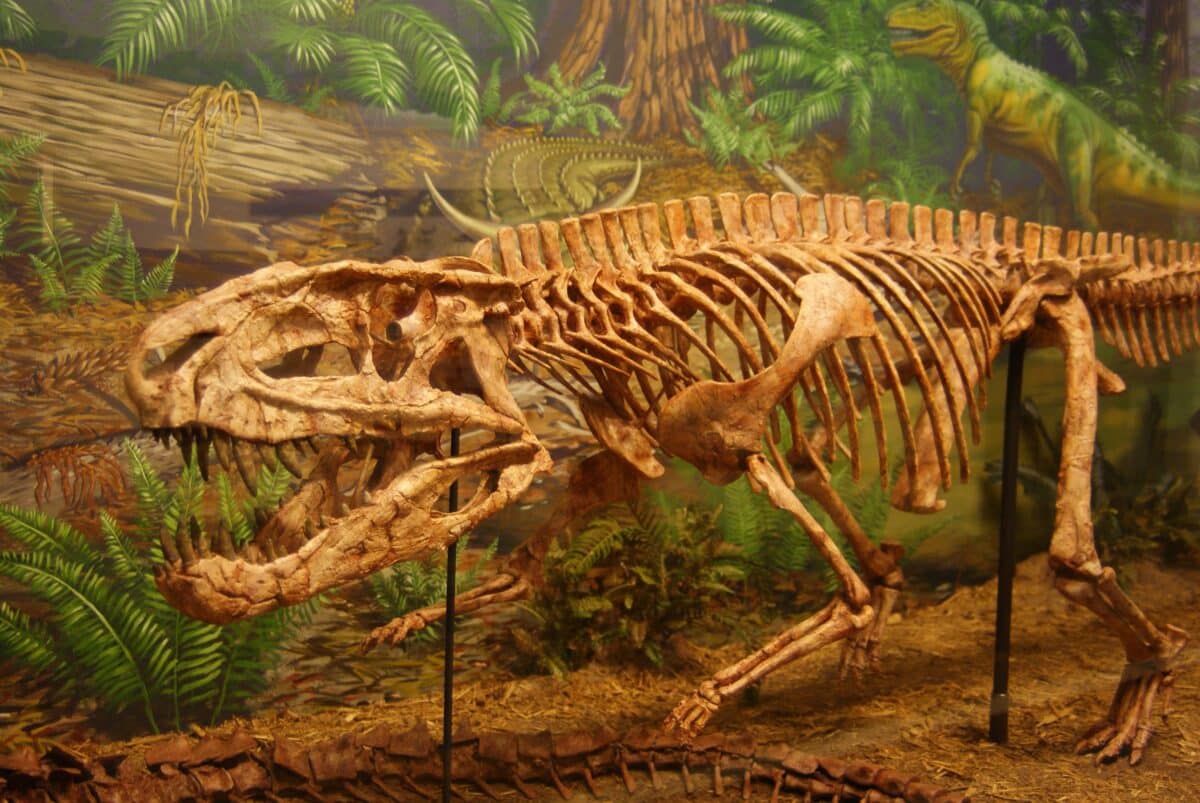
fossil_croc
Photo credit: Dallas Krentzel, CC BY 2.0 <https://creativecommons.org/licenses/by/2.0>, via Wikimedia Commons.

Fossil Friday: The Sudden Appearance of Crocs in the Triassic Fossil Record

The Triassic period proves to be a real carpet bombing of bursts of biological creativity. Read More ›
Cambrian Bryozoa
Photo: Fossil bryozoan, Carboniferous of Ohio, James St. John via Wikimedia, CC BY 2.0 DEED.

Fossil Friday: Cambrian Bryozoa Come and Go
This is a field that often has more in common with the interpretation of inkblots in Rorschach tests than with hard science. Read More ›
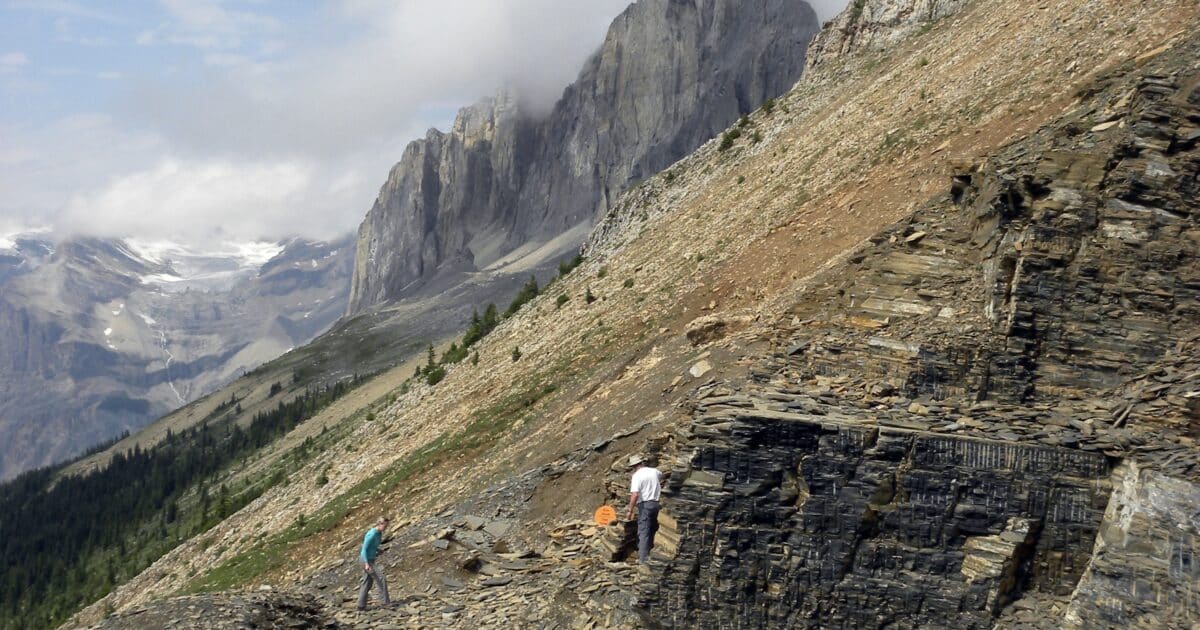
Burgess Shale
Photo: Burgess Shale, by Mark A. Wilson (Wilson44691) (Department of Geology, The College of Wooster).[1], Public domain, via Wikimedia Commons.

From Bad to Worse for Darwinism, as New Cambrian Explosion Finds Arrive

Less time and more complexity are compressed into an impossible challenge for evolution. Read More ›
Behe-SecretsOfTheCell-bacteriaModel
Photo source: Secrets of the Cell, via Discovery Institute.

Model Cell Visualized as a Compact Factory
Capturing the interior parts of a cell in their complex relationships took a lot of work, but some researchers have set a new high bar for biophysical imaging. Read More ›
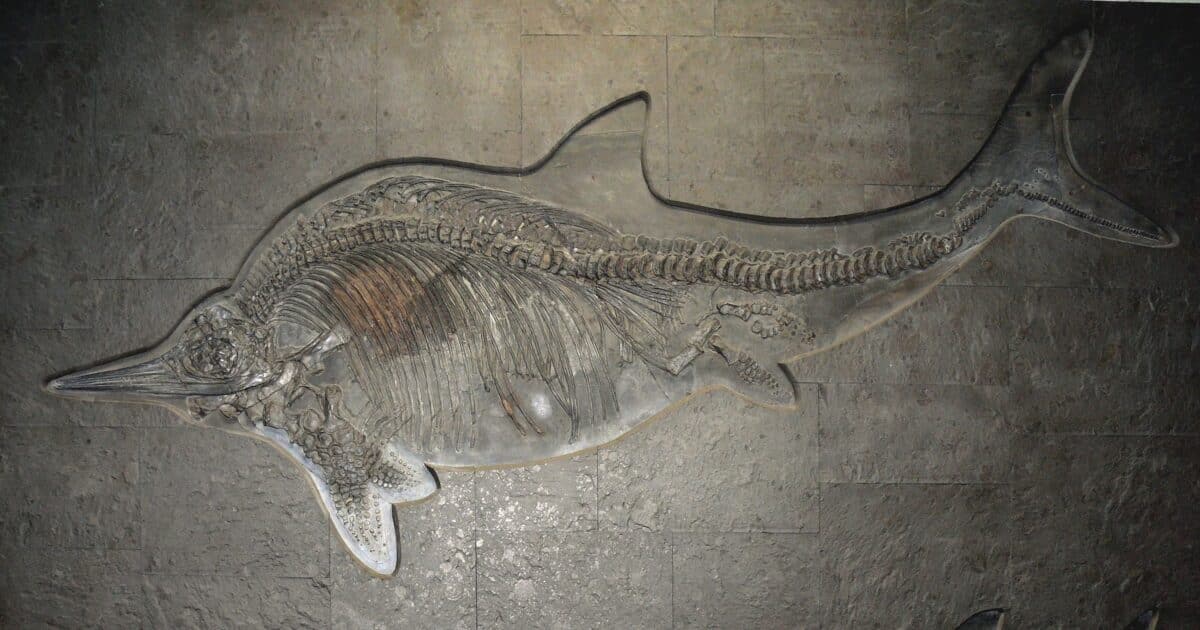
Stenopterygius quadriscissus
Photo credit: Haplochromis, CC BY-SA 3.0 <https://creativecommons.org/licenses/by-sa/3.0>, via Wikimedia Commons.

New Scientist: Ichthyosaurs Evolved “Astonishingly Rapidly”

This is a case of evolutionary biology trying to explain away the data that otherwise was not directly expected under their model. Read More ›
Cloudina

Did Cloudinids Have the Guts to Be Worms?

I promised last year to follow up on more alleged Ediacaran animals. Now is a good moment to come back to this, with a new study having just been published in the journal Nature Communications. Read More ›
rabbits

Peppered Hares — An Emerging Evolutionary Icon

Some hares turn white in winter where it’s snowy, but remain brown in winter where it’s mild. What does that have to do with Darwinian evolution? Read More ›

© Discovery Institute