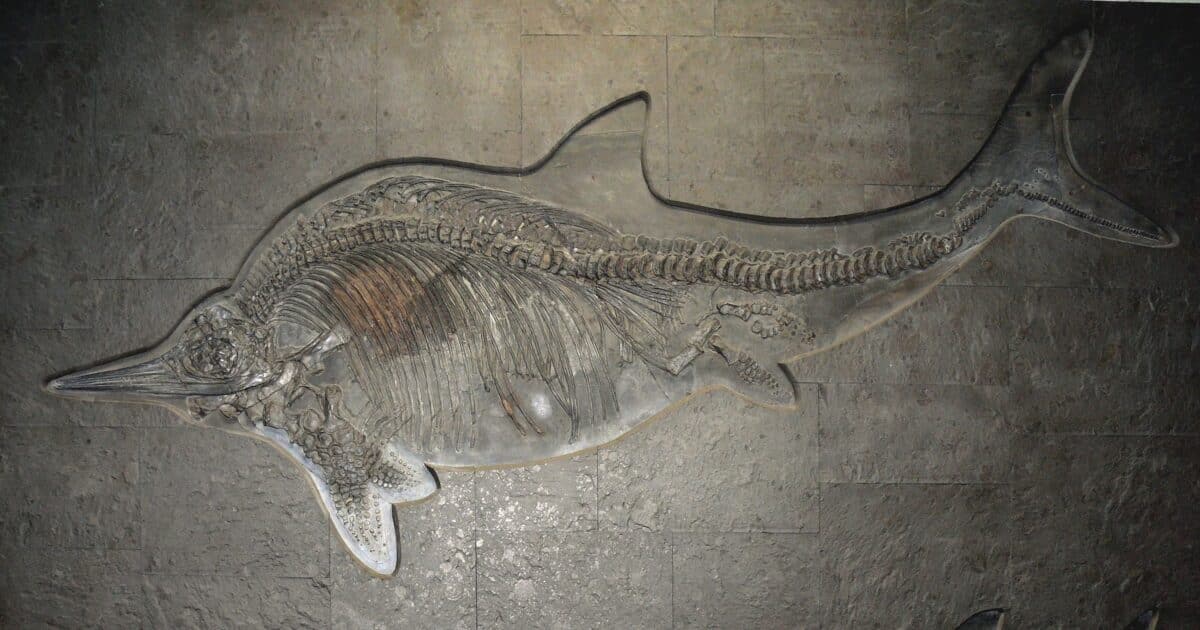
Stenopterygius quadriscissus Type post Author Casey Luskin Date February 14, 2023 CategoriesEvolutionPaleontology Tagged , cetaceans, Current Biology, Darwinian gradualism, dolphins, Early Eocene, fossil record, Günter Bechly, ichthyosaur, land mammals, Mesozoic, Neo-Darwinism, Nevada, New Scientist, Pakicetus, Science (journal), whales New Scientist: Ichthyosaurs Evolved “Astonishingly Rapidly” Casey Luskin February 14, 2023 Evolution, Paleontology 5 This is a case of evolutionary biology trying to explain away the data that otherwise was not directly expected under their model. Read More ›
Scandentia Type post Author Günter Bechly Date February 3, 2023 CategoriesEvolutionPaleontology Tagged , bats, Cretaceous Period, Darwinian theory, Early Eocene, Fossil Friday (series), fossil record, North America, Pakistan, Paleocene, Paleogene, paleontology, phylogenetics, primates Fossil Friday: The Abrupt Origins of Treeshrews (Scandentia) and Colugos (Dermoptera) Günter Bechly February 3, 2023 Evolution, Paleontology 59 Even as a paleontologist I admit that calling this a real scientific discipline seems like an insult to sciences like physics or chemistry or molecular biology. Read More ›
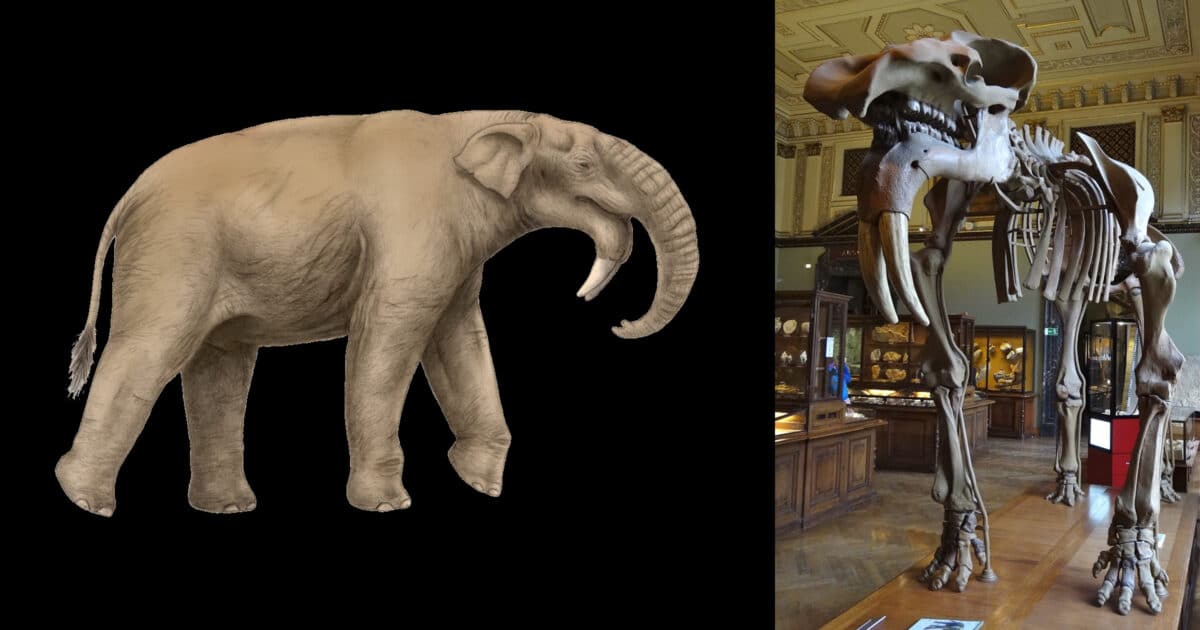
Proboscidea Type post Author Günter Bechly Date January 27, 2023 CategoriesEvolutionIntelligent DesignPaleontologyScience Tagged , Africa, Early Eocene, Egypt, elephants, Fossil Friday (series), fossil record, Morocco, primates, radiations, teeth Fossil Friday: Elephants and the Abrupt Origin of Proboscidea Günter Bechly January 27, 2023 Evolution, Intelligent Design, Paleontology, Science 26 Is this what Darwinism would predict? Of course not! Is it instead what intelligent design theory would predict? Indeed it is. Read More ›
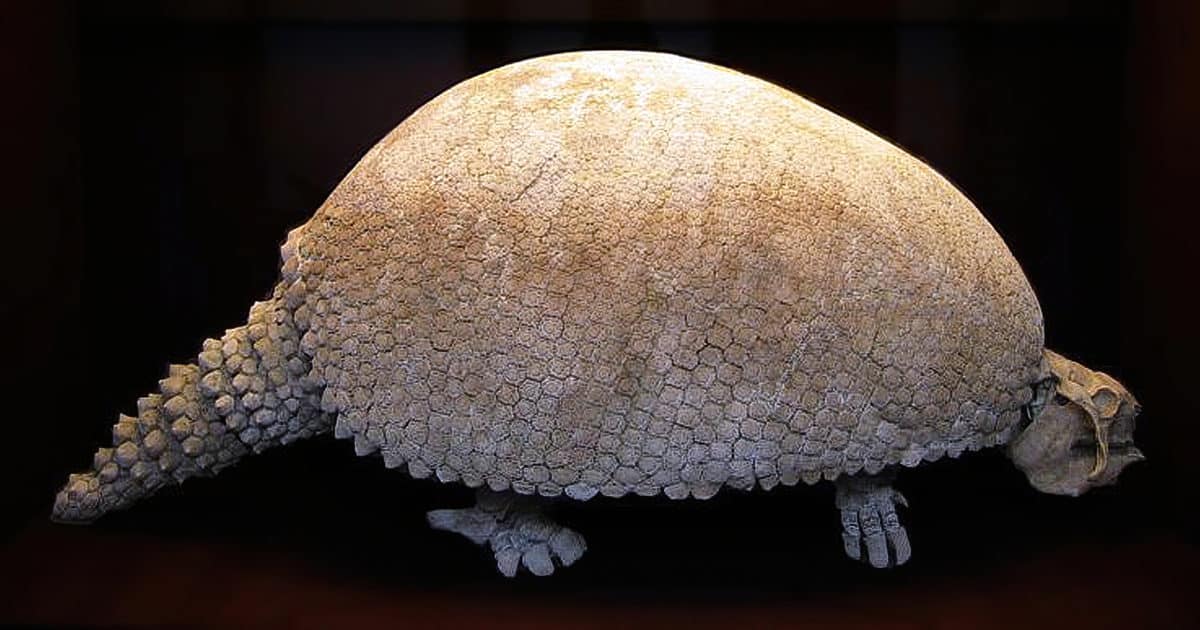
Glyptodon Type post Author Günter Bechly Date December 16, 2022 CategoriesPaleontologyScience Tagged , Afrotheria, America, Antarctica, Argentina, armadillos, clades, Darwinists, Early Eocene, molecular clock, New World, phylogenetic systematics, placental mammals, Pleistocene, primates, sloths Fossil Friday: The Giant Armadillo Glyptodon and the Abrupt Origin of Xenarthrans Günter Bechly December 16, 2022 Paleontology, Science 20 Should we dare to consider the possibility that something is wrong with the Darwinist assumptions? Heaven forbid! Read More ›