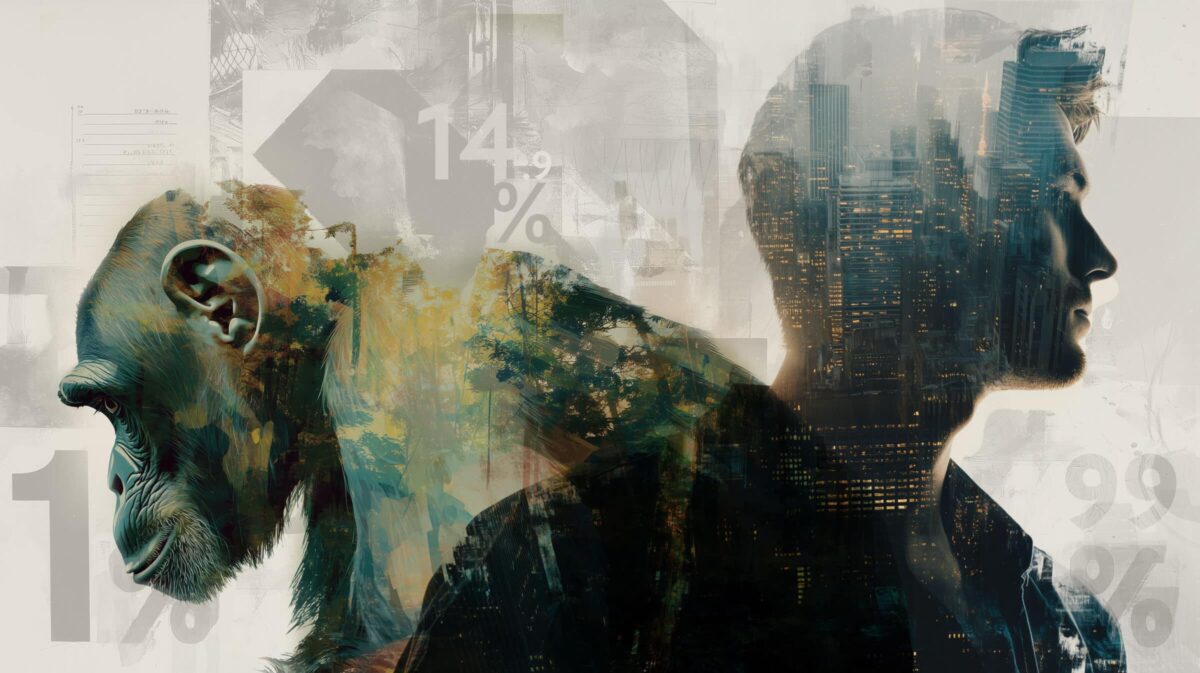
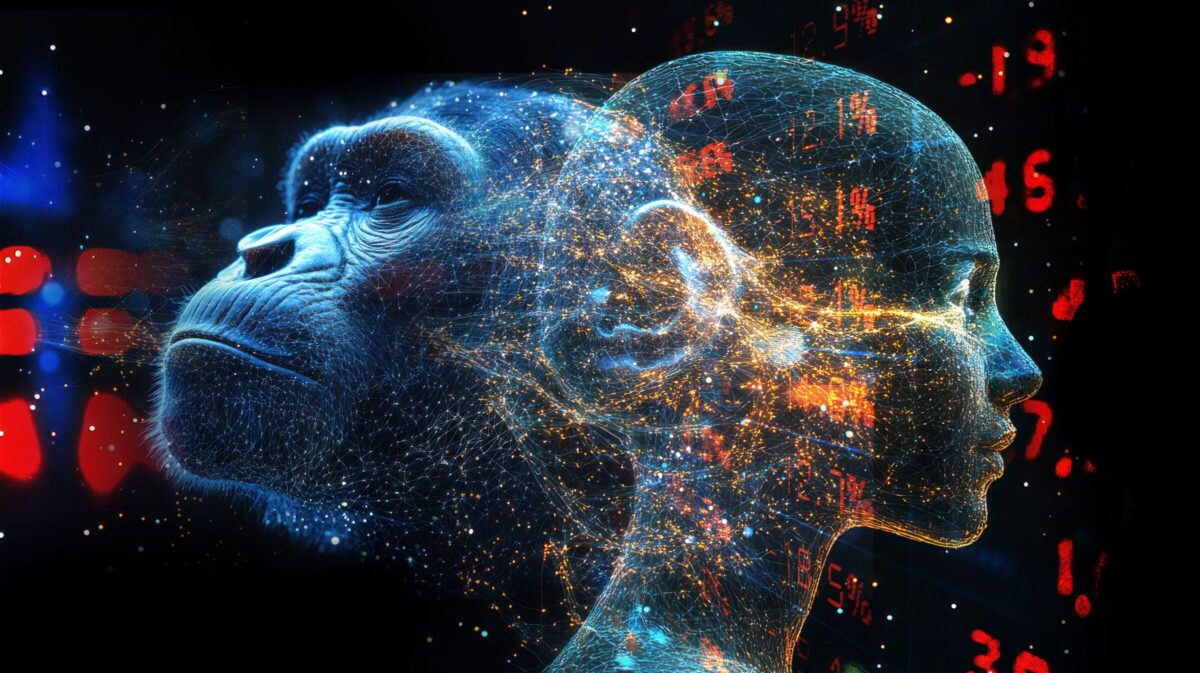
chimp-human-2400x1345 Type post Author Casey Luskin Date June 25, 2025 CategoriesEvolutionGeneticsHuman Origins and Anthropology Tagged , 1 percent myth, apes, chimpanzees, Chimps and Critics (series), deletions, DNA, genes, genetics, genome assemblies, genome sequencing, genomes, humans, insertions, junk DNA, Nature (journal), Supplemental Data, technical failures, telomeres Are the New Ape Genomes Reliable? Casey Luskin June 25, 2025 Evolution, Genetics, Human Origins and Anthropology 4 We have good reasons to believe that these differences are reliable and real and even represent functional, meaningful DNA. Read More ›
ape-double-jungle-city-14-2400x1345 Type post Author Casey Luskin Date June 19, 2025 CategoriesEvolutionGeneticsHuman Origins and Anthropology Tagged , 1 percent myth, alignment failure, biological processes, chimpanzees, Chimps and Critics (series), common ancestry, deletions, DNA, gap divergence, genes, genetic differences, genetics, genome, haplotype, humans, insertions, megabases, Nature (journal), repetitive elements, sequence alignment, Supplemental Data, technical problems Do Large Genetic Differences Between Humans and Chimps Represent “Technical Failures”? Casey Luskin June 19, 2025 Evolution, Genetics, Human Origins and Anthropology 3 The insinuation is that something went wrong in the lab during the attempted alignment process. Read More ›
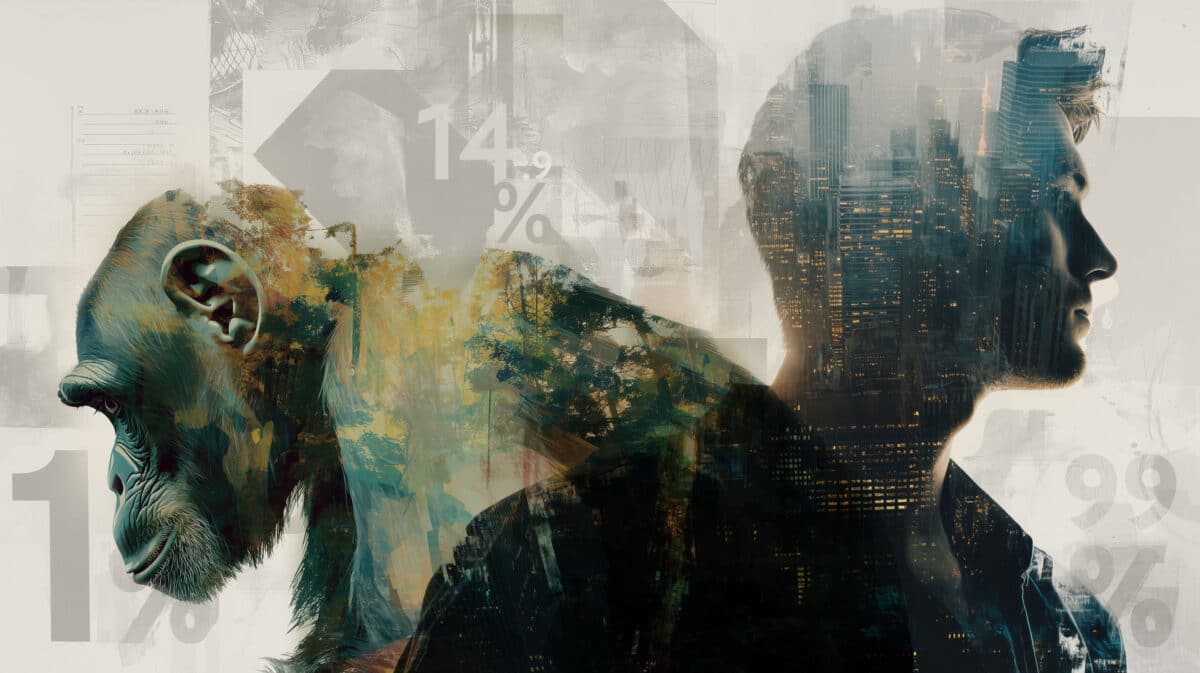
ape-double-jungle-city-14 Type post Author Casey Luskin Date May 21, 2025 CategoriesEvolutionHuman Origins and AnthropologyScience Reporting Tagged , 1 percent myth, 1 percent myth (series), ape genomes, bonobos, Bornean orangutans, chimpanzees, deletions, DNA, fact check, gap difference, gap divergence, gene duplications, genomes, Gorilla gorilla, gorillas, human genome, humans, insertions, Kateryna Makova, National Center for Biotechnology Information, Nature (journal), order of magnitude, Pan paniscus, Pan troglodytes, persistent scientific errors, Pongo abelii, short nucleotide variations, siamangs, Smithsonian Institution, SNVs, Sumatran orangutans, Supplemental Data Fact Check: New “Complete” Chimp Genome Shows 14.9 Percent Difference from Human Genome Casey Luskin May 21, 2025 Evolution, Human Origins and Anthropology, Science Reporting 14 I suspect that this radical finding has implications — for human exceptionalism and more — that people will be discussing for a long time. Read More ›
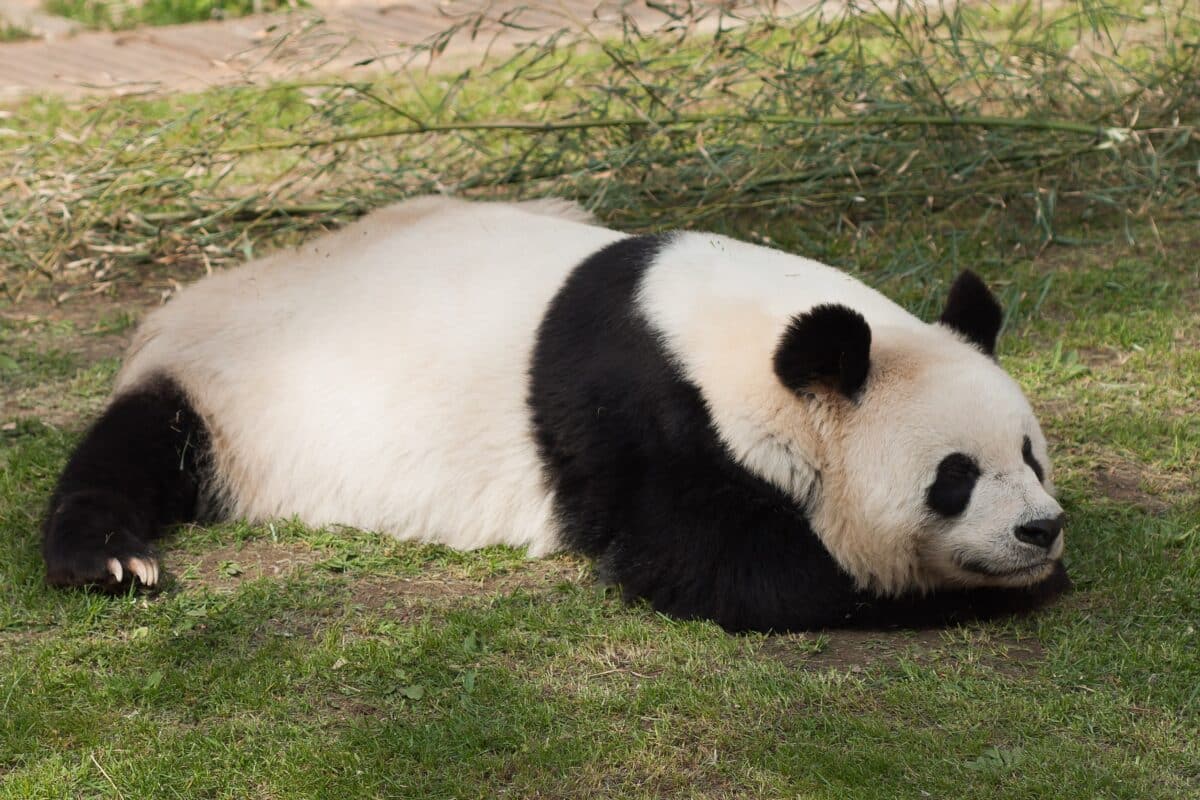
panda Type post Author Wolf-Ekkehard Lönnig Date July 21, 2024 CategoriesBiologyEngineeringEvolutionIntelligent Design Tagged , Ailuropoda, bears, biologists, Chinese scientists, deletions, diploidal genome, evolution, genera, geneticists, insertions, intelligent design, mutations, neo-Darwinian theory, Panda's Thumb, phenotype, researchers, species, stasis, Ursidae More on the Panda’s Thumb: Imperfection or Masterpiece? Wolf-Ekkehard Lönnig July 21, 2024 Biology, Engineering, Evolution, Intelligent Design 4 I would like to express my appreciation as a geneticist and biologist for the work on the molecular investigations and many other topics in the panda’s biology. Read More ›
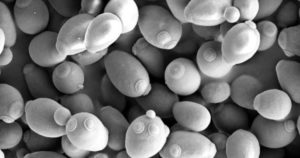
budding-yeast Type post Author Ann Gauger Date November 26, 2018 CategoriesEvolution Tagged , __k-review, adaptive mutations, ants, bacteria, bacteriophages, BioEssays, budding yeast, Cell (journal), cetaceans, Darwin Devolves, Darwin's Black Box, deletions, Eugene Koonin, evolution, First Rule of Adaptive Evolution, gain-of-function mutations, geneticists, horizontal gene transfer, insertions, loss-of-function mutations, Michael Behe, mutations, polar bears, The Edge of Evolution, The Quarterly Review of Biology, viruses Bacteriophages, Budding Yeast, and Behe’s Vindication Ann Gauger November 26, 2018 Evolution 9 It’s been known for some time that bacteria evade antibiotics by mutating the target of the antibiotic, often at a cost to themselves. Read More ›