athlete-runner-feet-running-on-road-jogging-at-outdoors-man-292063777-stockpack-adobestock Type post Author Andrew McDiarmid Date October 18, 2025 CategoriesEvolutionIntelligent Design Tagged , biologists, body temperature, cell, cell membrane, Darwinism, engineering, engineers, equilibrium, glucose, Howard Glicksman, human body, intelligent causes, material causes, oxygen, pregnancy, Steve Laufmann, Your Amazing Body, YouTube channels Dr. Howard Glicksman: Why Evolution Fails to Explain Life’s Design Andrew McDiarmid October 18, 2025 Evolution, Intelligent Design 3 In a universe of non-living space and matter, life is incredibly rare. To stay alive, all organisms have to overcome a myriad of engineering challenges. Read More ›
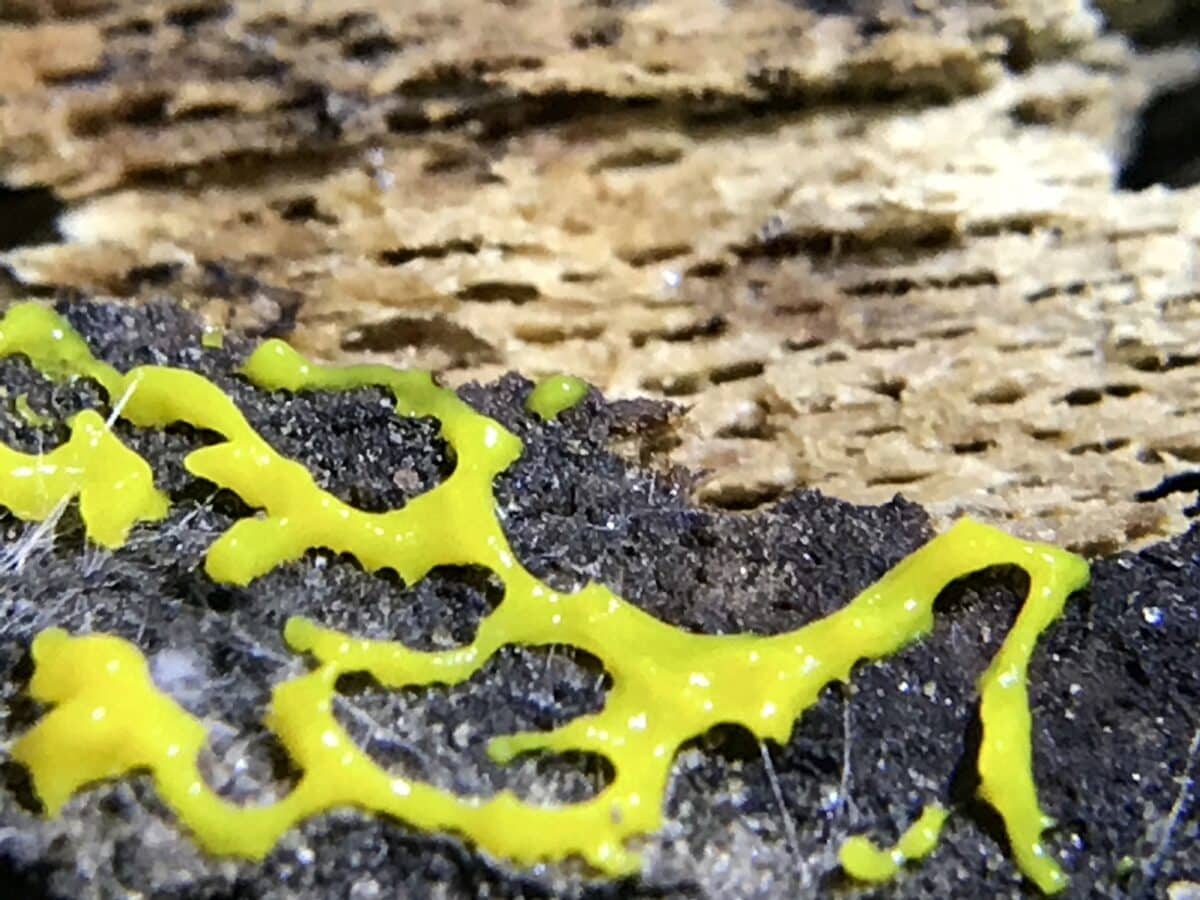
Physarumpolycephalum9986808 Type post Author Denyse O’Leary Date July 17, 2025 CategoriesBiologyIntelligent DesignNeuroscience & Mind Tagged , biology, brain, Cambridge University, cell, decision-making, food, French National Centre for Scientific Research, information, memory, navigation Slime Mold: Thanks for the Memories Denyse O’Leary July 17, 2025 Biology, Intelligent Design, Neuroscience & Mind 10 In recent decades, researchers have been learning about memory in slime molds which have neither a brain nor neurons. Read More ›
Type post Date October 3, 2016 CategoriesEvolutionIntelligent DesignLife Sciences Tagged , __cedited, __image, cell, Origin, origin of life, RNA world, Science, video In a New Documentary, Origin, Paul Nelson and Ann Gauger Confront the Enigma of Chemical Evolution Science & Culture October 3, 2016 Evolution, Intelligent Design, Life Sciences 4 Scientists with no affinity for the design hypothesis admit that the odds against the first life self-assembling are horrendously steep. Read More ›
animal cell Type post Date May 20, 2016 CategoriesEvolutionIntelligent Design Tagged , __cedited, cell, cell membrane, Research, Science What It Takes to Build a Nuclear Membrane Science & Culture May 20, 2016 Evolution, Intelligent Design 7 It sounds so easy, doesn't it? Prokaryotes evolved into eukaryotes that segregated their DNA into a nucleus. Read More ›