Science and Culture Today Discovering Design in Nature
Topic

Cambrian News

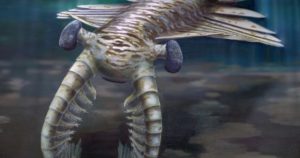
Anomalocaris

In Cambrian Explosion Debate, ID Wins by Default

If this is the best answer evolutionists can come up with, it’s game over for Darwinism. Read More ›
Bechly

Bechly: Darwinian Evolution and the Problem of the Collector’s Curve

Darwin himself could take refuge in an “Evolution of the Gaps” scenario where confirmation of his theory would emerge with time. Modern Darwinists don’t have that luxury. Read More ›
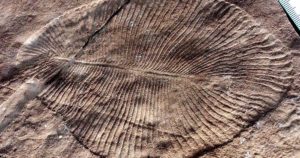
Dickinsonia

Why Dickinsonia Was Most Probably Not an Ediacaran Animal
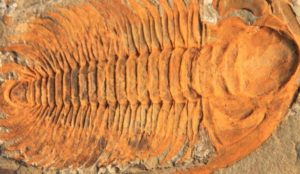
So, do high levels of cholesterol biomarkers really suggest an animal affinity of Dickinsonia? Read More ›
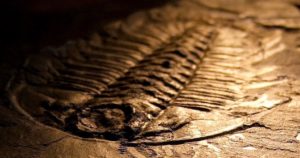
Paradoxides_sp

Still More Excuses for Cambrian Non-Evolution
Trilobites look up silently from their Burgess Shale rock slabs, with sad eyes, asking, “Where did I come from?” Read More ›
AS10-29-4324

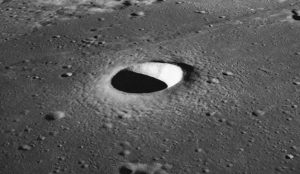
More Excuses for Cambrian Non-Evolution

A new statistical study of impacts on the moon concludes that the appearance of an increase was an artifact of biased sampling. Read More ›
Print

Ignoring Other Research, New Study Explains (Away) the Origin of New Body Plans

Recently, a team of British paleontologists added a new pseudo-explanation. Read More ›
179346_web 2

A Beautiful, Wonderful Solution to the Cambrian Puzzle?

It’s so elegantly simple, why didn’t anyone think of this before? Animals evolved because they evolved. Read More ›
Hoilungia-hongkongensis

Placozoa: An Evolutionary Leftover? 

Simple, small, and worldwide in distribution, the placozoa don’t fit any clear evolutionary picture. Read More ›
1280px-Precambrian_sea

Cambrian-Aged Ediacaran Organism Reconfirms Explosiveness of the Cambrian Explosion

For the first time it has been discovered that an organism from the Precambrian Ediacaran fauna may have survived into the Cambrian period. Read More ›
Fuxianhuiafossil

Meet the Fuxianhuiids: Exploding Cambrian Arthropods

True arthropods are among the most sophisticated animals that appeared without ancestors in the Cambrian explosion. Read More ›

© Discovery Institute