chambered nautilus Type post Author Robert F. Shedinger Date August 19, 2020 CategoriesBiologyEvolution Tagged , amino acids, Benedikt Hallgrimsson, Brian K. Hall, camera eye, Dan-Eric Nilsson, engineer, evolution, François Jacob, indoctrination, intelligent design, mollusks, mutations, natural selection, Proceedings of the Royal Society of London, Strickberger’s Evolution, textbooks, vertebrates, Wistar Institute Squeezing Out the Mystery: Final Comments on Strickberger’s Evolution Robert Shedinger August 19, 2020 Biology, Evolution 8 The phenomenon of convergent evolution suggests that natural selection fits better with the analogy of the engineer than it does the tinkerer. Read More ›
Ernst_Mayr_PLoS 2 Type post Author Robert F. Shedinger Date August 8, 2020 CategoriesBiologyEvolution Tagged , Benedikt Hallgrimsson, Brian K. Hall, convergence, convergent evolution, Darwinism, engineer, Ernst Mayr, flowering plants, François Jacob, natural selection, neo-Darwinian theory, On the Origin of Species, Simon Conway Morris, St. George Jackson Mivart, Strickberger’s Evolution, textbooks Ignoring the Obvious: Convergent Evolution in Strickberger’s Evolution Robert Shedinger August 8, 2020 Biology, Evolution 6 Remarkably, even Ernst Mayr was forced to tacitly acknowledge the challenge to Darwinism posed by convergence. Read More ›
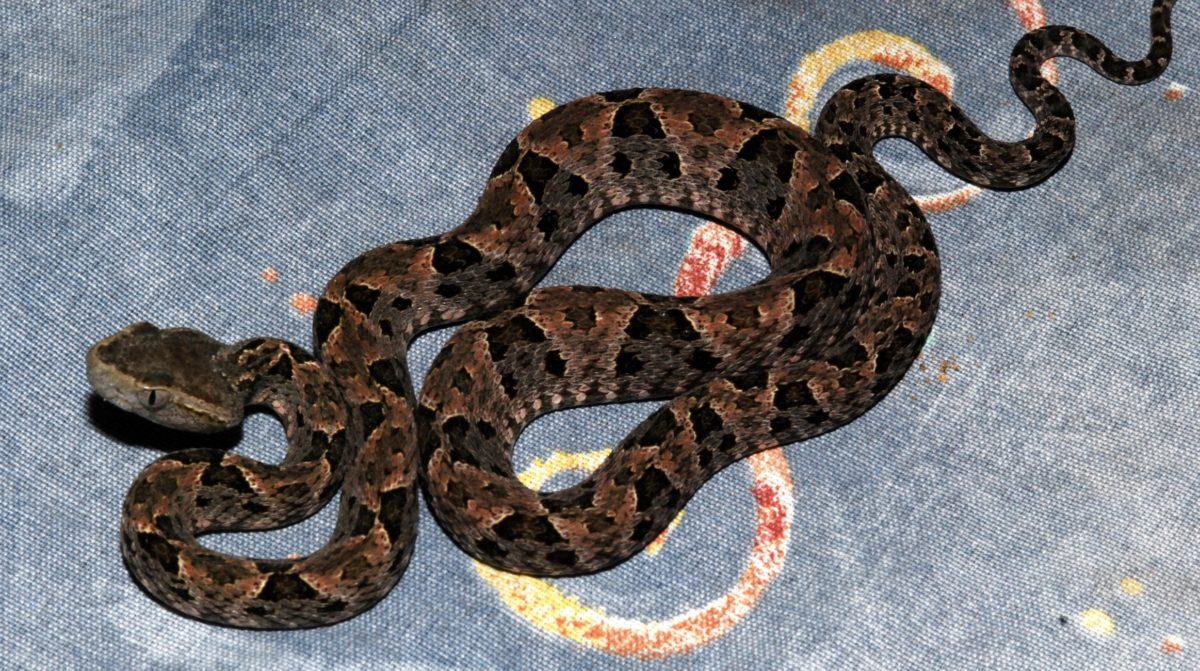
DSC_0492 Type post Author Robert F. Shedinger Date July 28, 2020 CategoriesEvolutionScience Education Tagged , August Weismann, Benedikt Hallgrimsson, Brian K. Hall, Charles Darwin, fairy tales, fish, limpets, multicellular organisms, natural selection, rainforest, sea floor, snakes, Strickberger’s Evolution The Fairy Tale World of an Evolution Textbook Robert Shedinger July 28, 2020 Evolution, Science Education 7 Endothermy may have advantages over ectothermy, but I wouldn’t advise taking your chances by picking up a poisonous snake. Read More ›
peppered moth Type post Author Robert F. Shedinger Date July 20, 2020 CategoriesEvolution Tagged , Benedikt Hallgrimsson, Biston betularia, Brian K. Hall, butterflies, embryos, Ernst Haeckel, evolution, fruit flies, gene regulation, gills, Haeckel’s embryos, Icons of Evolution, intelligent design, Jerry Coyne, Jonathan Wells, junk DNA, Michael Majerus, moths, Rosemary Grant, Strickberger’s Evolution, textbooks, wings, Zombie Science (book) Strickberger’s Evolution Textbook Promotes False Evolutionary Icons Robert Shedinger July 20, 2020 Evolution 8 From crippled fruit flies we move to perhaps the most pervasive icon of them all, the peppered moth. Read More ›
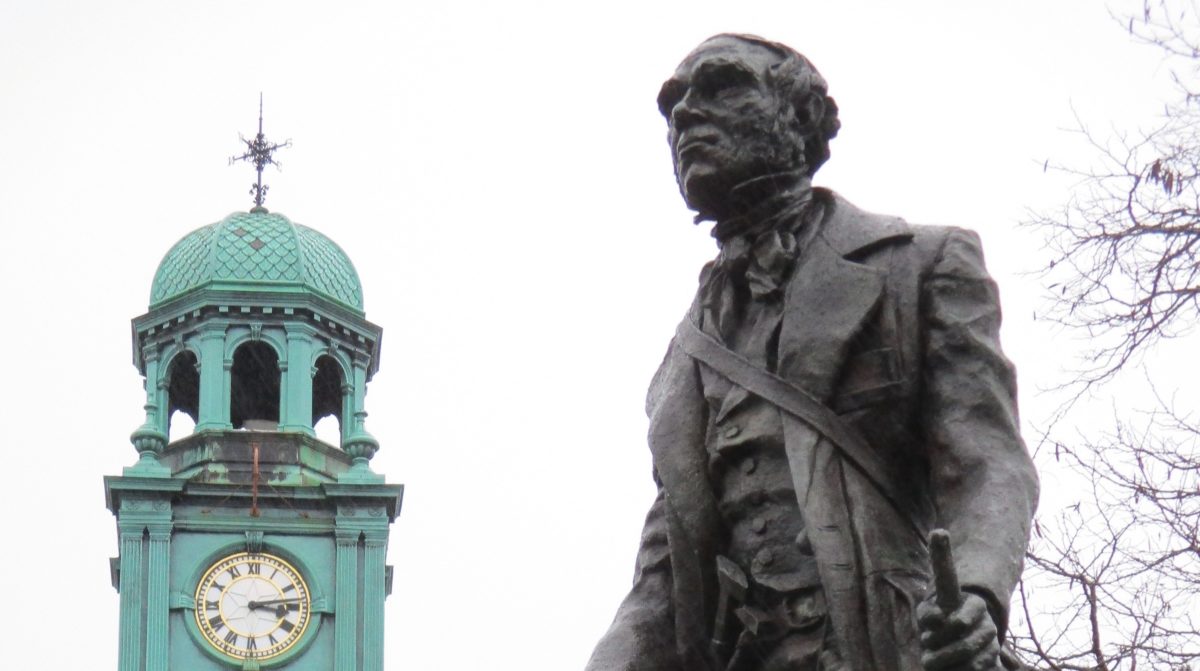
Statue of a young Charles Darwin Type post Author Robert F. Shedinger Date July 14, 2020 CategoriesBiologyEvolution Tagged , Adam Sedgwick, Alfred Russel Wallace, Artificial Selection, barnacles, Benedikt Hallgrimsson, Brian K. Hall, Charles Darwin, college students, Douglas Futuyma, Ecuador, Ernst Mayr, evolutionary theory, Fleeming Jenkin, Galápagos Islands, George Gaylord Simpson, Loren Eiseley, materialistic science, methodological naturalism, neo-Darwinian synthesis, On the Origin of Species, Richard Owen, Strickberger’s Evolution, Thomas Huxley Darwinian Mythology in Strickberger’s Evolution Robert Shedinger July 14, 2020 Biology, Evolution 8 Just because something can be counted as science does not automatically mean that it is true. Read More ›

Charles-darwin-portrait-sitting-on-chair-sketch 2 Type post Author Robert F. Shedinger Date July 7, 2020 CategoriesEvolutionScience Education Tagged , Benedikt Hallgrimsson, Brian K. Hall, evolution, evolutionary biology, Galileo Galilei, Genetics (journal), George Bernard Shaw, George Eliot, heliocentric model, Henri Bergson, Herbert Spencer, intelligent design, Isaac Newton, Johannes Kepler, John Cairns, Karl Marx, Max Delbrück, Nicolaus Copernicus, Peter Bowler, Ptolemaic system, randomness, religion, Sigmund Freud, Strickberger’s Evolution, textbooks, Thomas Hardy, Thomas Kuhn The Triumphalism of Strickberger’s Evolution Robert Shedinger July 7, 2020 Evolution, Science Education 7 The oversimplification here is staggering (Darwin and women’s rights?!) and would take an entire book to unpack. Read More ›





































