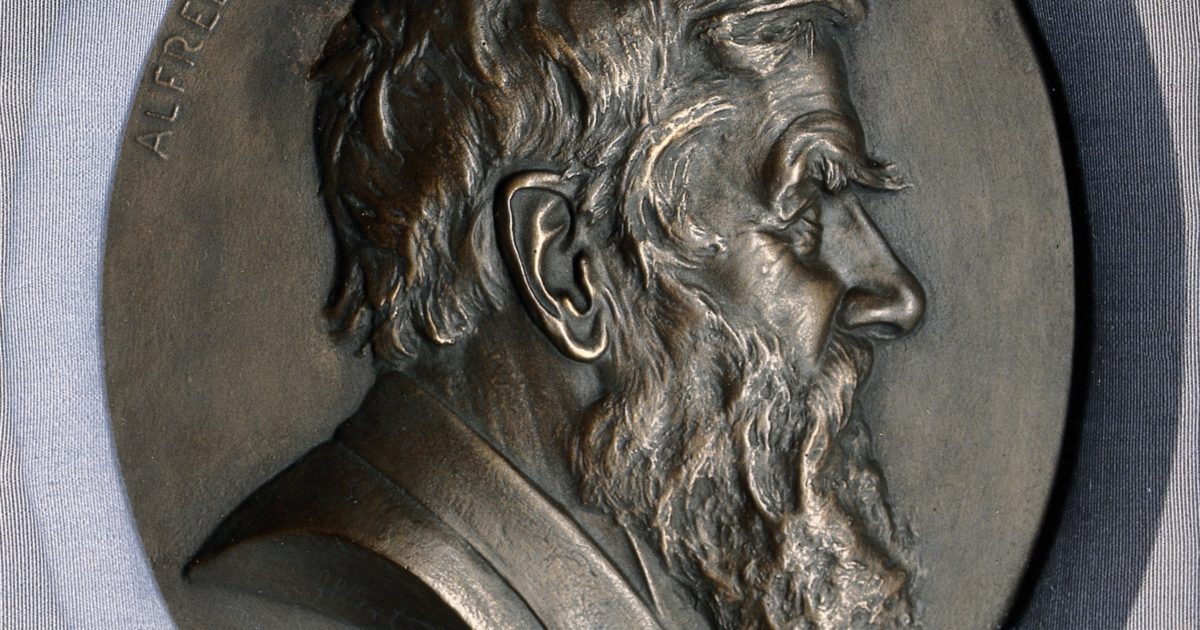
Alfred Russel Wallace Type post Author Michael Flannery Date October 7, 2023 CategoriesEvolutionIntelligent Design Tagged , "survival of the fittest", Alfred Russel Wallace, Charles Darwin, Darwinian evolution, evolution, intelligent evolution, liberals, Loren Eiseley, Louis Pasteur, meaning, natural selection, purpose, The World of Life A “Prepared Mind” for Alfred Russel Wallace Michael Flannery October 7, 2023 Evolution, Intelligent Design 4 Although Wallace receded into the deep recesses of my memory, I had what Pasteur called “the prepared mind.” Read More ›
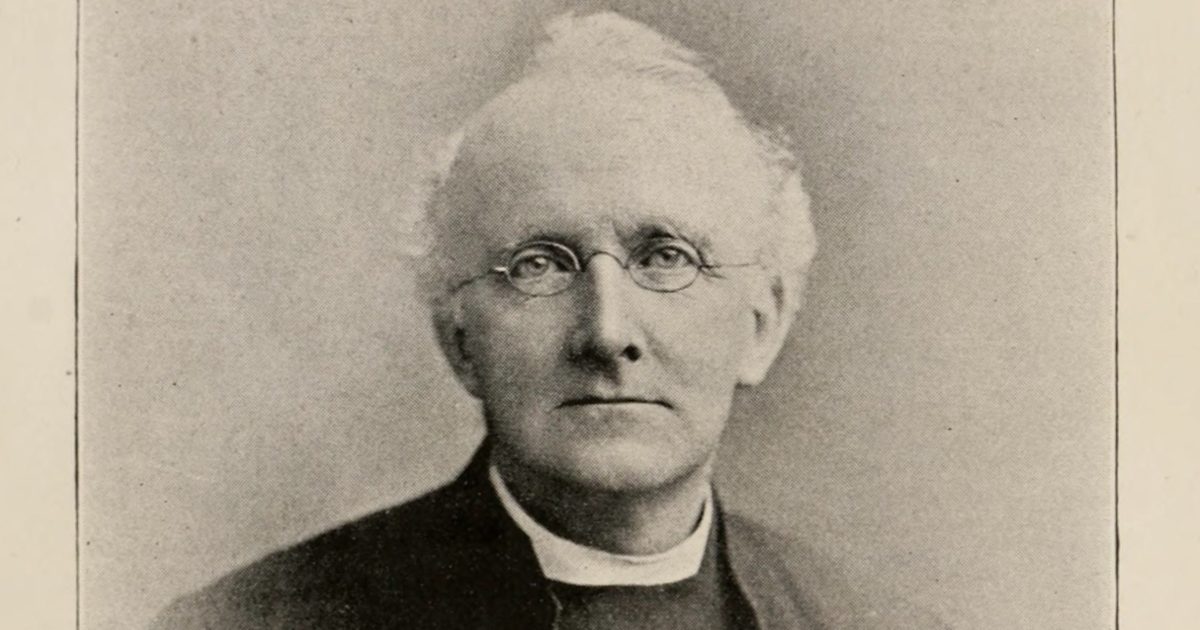
Samuel Haughton Type post Author Neil Thomas Date June 10, 2022 CategoriesBiologyEvolutionIntelligent Design Tagged , Alfred Russel Wallace, Aristotle, biosphere, Charles Lyell, Democritus, Empedocles, Epicurus, Erasmus Darwin, evolution, Georges Cuvier, Greece, Homo sapiens, intelligent design, Joseph Hooker, Loren Eiseley, materialism, natural selection, On the Origin of Species, Patrick Matthew, pigeons, Rome, Royal Society, Samuel Haughton, Thomas Malthus, Victorian England, Whitwell Elwin Meet Samuel Haughton, Darwin’s First Scientific Critic Neil Thomas June 10, 2022 Biology, Evolution, Intelligent Design 18 Darwin reports Haughton’s verdict as having been that “all that was new in there was false, and what was true was old.” Read More ›
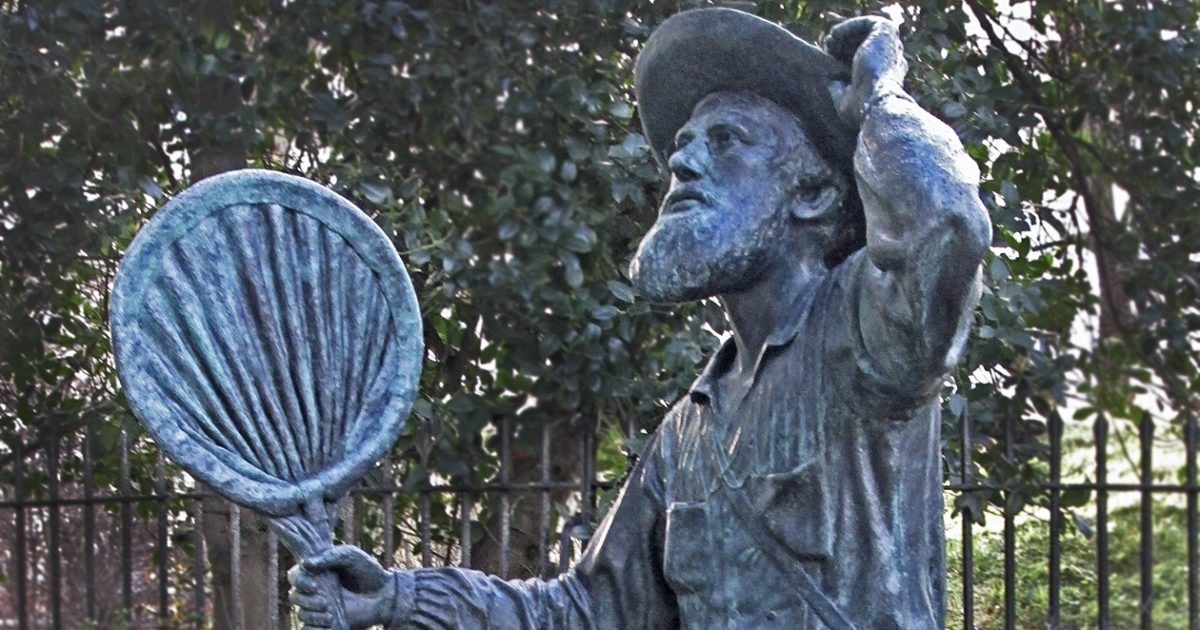
Statue of Alfred Russel Wallace Type post Author Michael Flannery Date September 9, 2020 CategoriesEvolutionIntelligent Design Tagged , "survival of the fittest", Alfred Russel Wallace, Charles Darwin, Darwinian evolution, evolution, intelligent evolution, liberals, Loren Eiseley, Louis Pasteur, meaning, natural selection, purpose, The World of Life When Alfred Russel Wallace Spoke to Me Michael Flannery September 9, 2020 Evolution, Intelligent Design 3 I had what Pasteur called “the prepared mind” to take in what Wallace had to tell me. Read More ›
Statue of a young Charles Darwin Type post Author Robert F. Shedinger Date July 14, 2020 CategoriesBiologyEvolution Tagged , Adam Sedgwick, Alfred Russel Wallace, Artificial Selection, barnacles, Benedikt Hallgrimsson, Brian K. Hall, Charles Darwin, college students, Douglas Futuyma, Ecuador, Ernst Mayr, evolutionary theory, Fleeming Jenkin, Galápagos Islands, George Gaylord Simpson, Loren Eiseley, materialistic science, methodological naturalism, neo-Darwinian synthesis, On the Origin of Species, Richard Owen, Strickberger’s Evolution, Thomas Huxley Darwinian Mythology in Strickberger’s Evolution Robert Shedinger July 14, 2020 Biology, Evolution 8 Just because something can be counted as science does not automatically mean that it is true. Read More ›
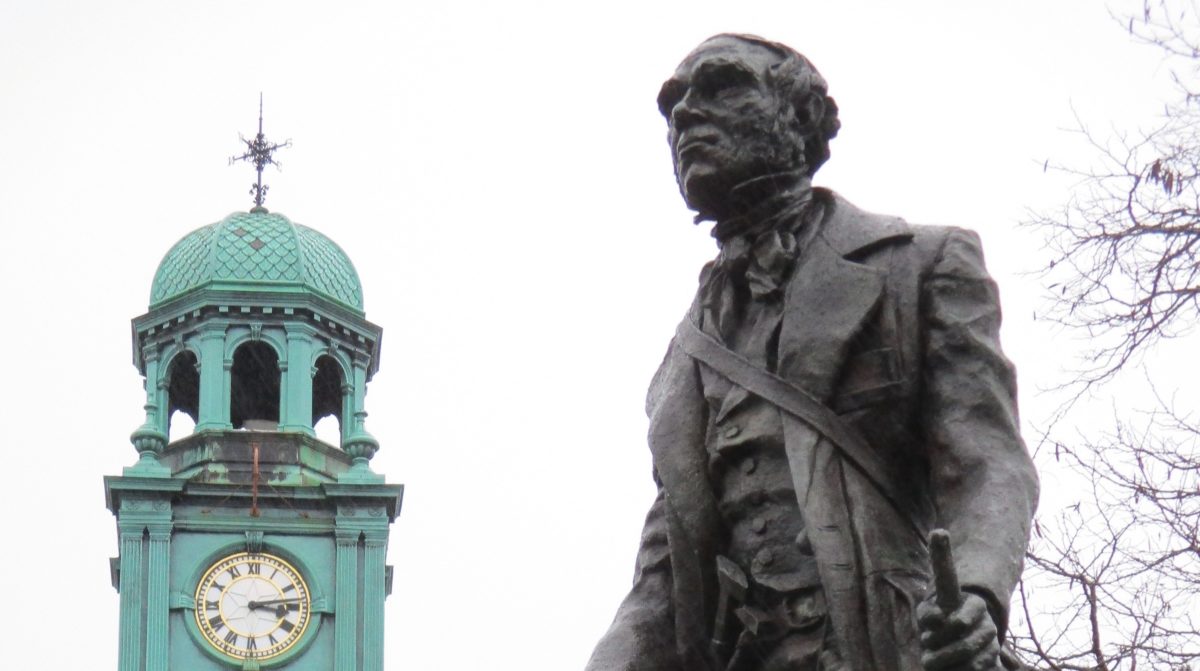
Darwin statue from a distance Type post Author Michael Flannery Date December 20, 2017 CategoriesEvolution Tagged , __k-review, A. N. Wilson, Adrian Desmond, Alfred Russel Wallace, Benjamin Wiker, Charles Darwin, Charles Darwin: Victorian Mythmaker, Edinburgh, Gertrude Himmelfarb, Herbert Spencer, history, James Moore, Linnean Society, Loren Eiseley, Plinian Society A.N. Wilson’s Charles Darwin — A Sense of Déjà Vu Michael Flannery December 20, 2017 Evolution 5 Factual errors aside, the problem is I’ve heard all this before. Read More ›
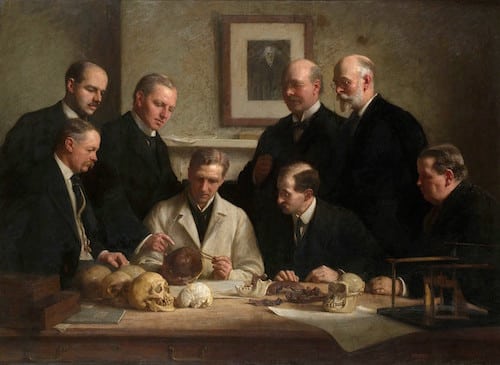
image Type post Author Michael Flannery Date December 17, 2016 CategoriesArtsHuman Origins and AnthropologyPaleontologyScientific Trustworthiness Tagged , __nedited, Alfred Russel Wallace, brain, credulity, falsified theories, fossil record, Loren Eiseley, missing links, natural selection, Neanderthals, Piltdown Man, reason, Royal Society, saltationism, The Descent of Man What the Piltdown Hoax Tells Us, 104 Years Later Michael Flannery December 17, 2016 Arts, Human Origins and Anthropology, Paleontology, Scientific Trustworthiness 7 A curious anniversary falls this weekend. Read More ›