






































Genetics
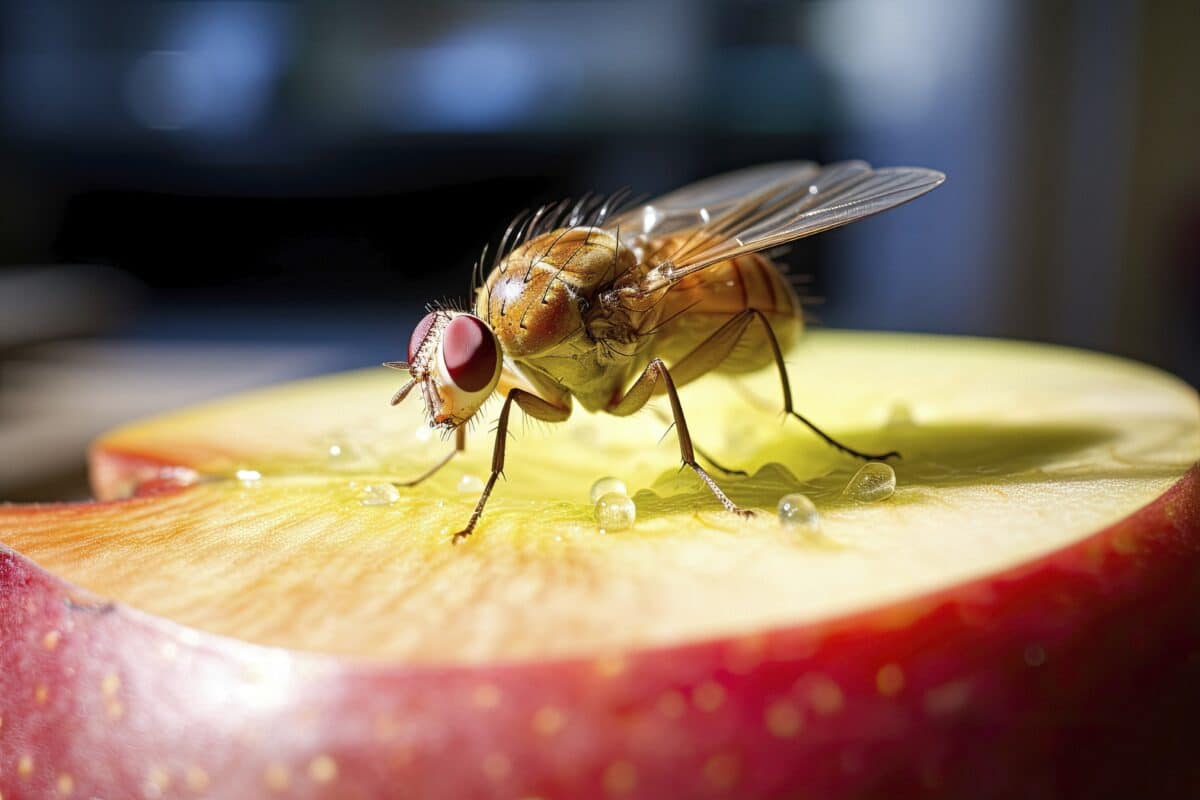
Praised be Darwin! Do Fruit Flies Bust Behe?

Guy Walks Into a Bar and Thinks He’s a Chimpanzee: The Unbearable Lightness of Chimp-Human Genome Similarity
AAUP Responds on Academic Freedom
Gary Rhoades at AAUP responded to my original post. My own response is below the fold.
Dear Mr. Crowther,
Apparently patience is not one of your stronger virtues, at least not in this case. If you were really interested in my response, or in the position of the AAUP, you might have had the courtesy to give me a reasonable amount of time to respond to your letter below (which came to me at 3:33p.m. EST today, whereas your posting below was 1:24 p.m today, though the time zone is not posted).
Upon returning to my emails late this afternoon, after addressing some other pressing matters earlier in the afternoon, I come to find that you have already posted the following on your organization’s website:
He pastes in this blog post.
Read More ›How Not to Defend Free Will
Friday in Washington, D.C. The American Enterprise Institute (AEI) hosted an event titled “Genes, Neuroscience, and Free Will.” The panel, which discussed whether new findings in neuroscience and genetics have destroyed our notion of free will, consisted of James Q. Wilson (Pepperdine), David Brooks (New York Times), Charles Murray (AEI), Sally Satel (AEI), and moderator Christina Hoff Sommers (AEI). I won’t bother to record the differing views of the panelists, for their differences were very few and very far between. Essentially, they all argued that we have an innate sense of free will and that findings in genetics and neuroscience have not undermined it because: (1) sure, genes determine behavior, but not 100%; often the environment contributes to our behavior Read More ›