






































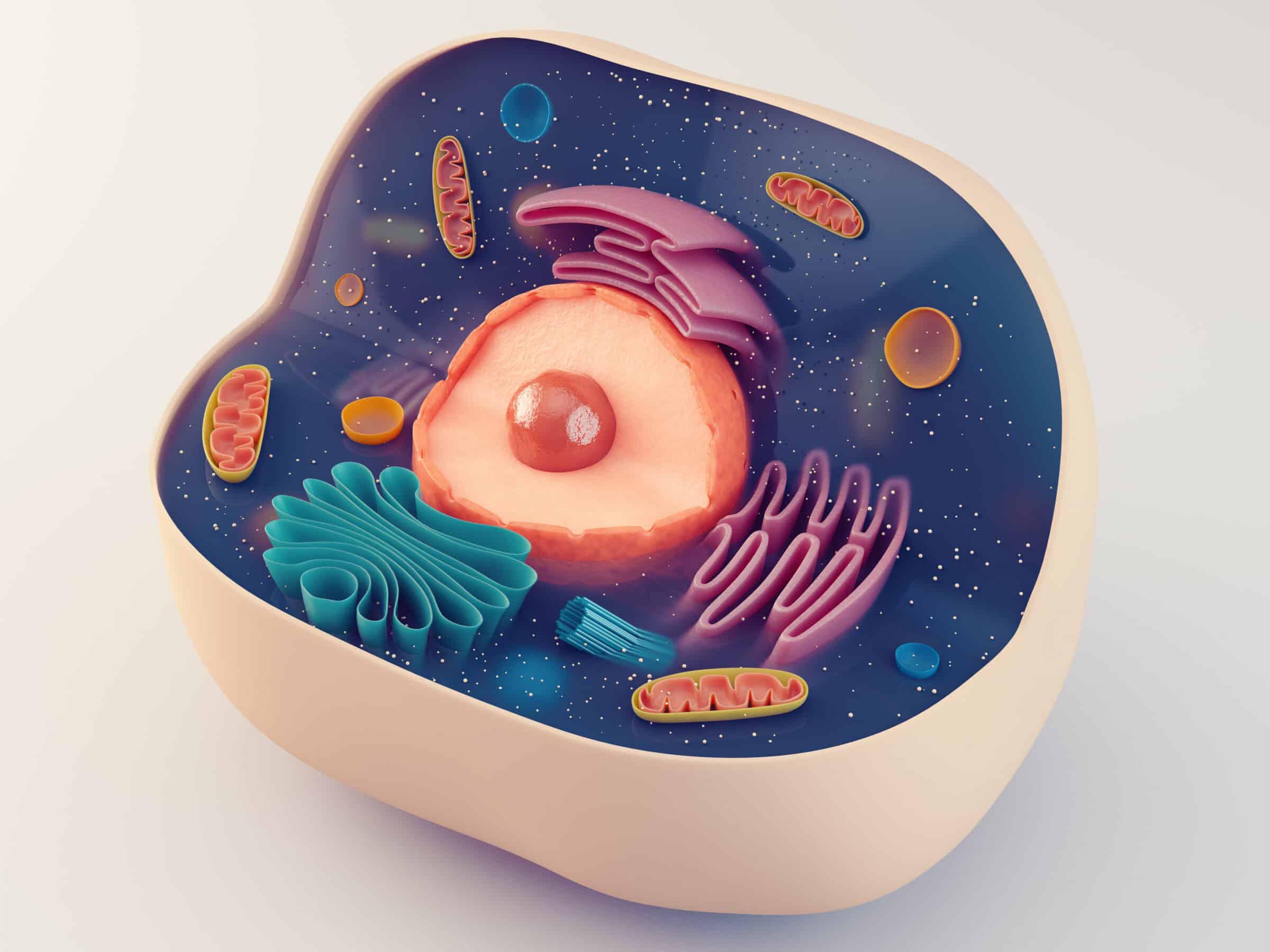
A second revolution is underway in biology today. DNA isn’t the whole story for the development of living things. The deeper scientists look into the cell, the more they find layers of coding, regulation, communication, and control. Where did all this additional information come from? On a new episode of ID the Future, I continue my conversation with Dr. Thomas Woodward, co-author with Dr. James Gills of the new book Epigenetics and the Architect: Evidence of Design at the Frontier of Biology.
In this segment, Dr. Tom Woodward explains that while DNA is the foundational blueprint of life, it requires a dance partner known as the epigenome to actually function. Don’t get scared away by the word epigenetics! It literally means “above” or “on top of” the genetic material in cells. It’s a sophisticated additional layer of information controlling how, when, and to what extent genes are expressed. To help us build a mental picture, Woodward provides the example of methyl tags that act like switches, telling a gene to switch off until further notice. When it’s time for a gene to again become active, specialized protein robots arrive to remove these tags and wake the gene up for work. This additional epigenetic information is at work across cellular processes, mapped for each cell type, which results in hundreds of different epigenomes managing the 20,000 genes in our bodies.
Beyond the well-known genetic code, Woodward explains that scientists have identified as many as 237 other biological codes that regulate everything from the structure of the cell to the placement of molecules in a fertilized egg. He compares the epigenetic system to a supercomputer where information is written everywhere — on the hardware, the screen, and even the keys. Could these additional layers of information in the genome be the result of blind, purposeless evolutionary processes? Woodward argues that the level of integrated complexity and the immaterial nature of the epigenome are impossible to explain through Darwinian evolution.
Download, watch, or listen to the episode here. This is Part 2 of a two-part conversation.
Dig Deeper
- Get your copy of Epigenetics and the Archtiect today!
- Enjoy more conversation about the epigenetic revolution on ID the Future.