






































Science and Culture Today Discovering Design in Nature
Spinoza
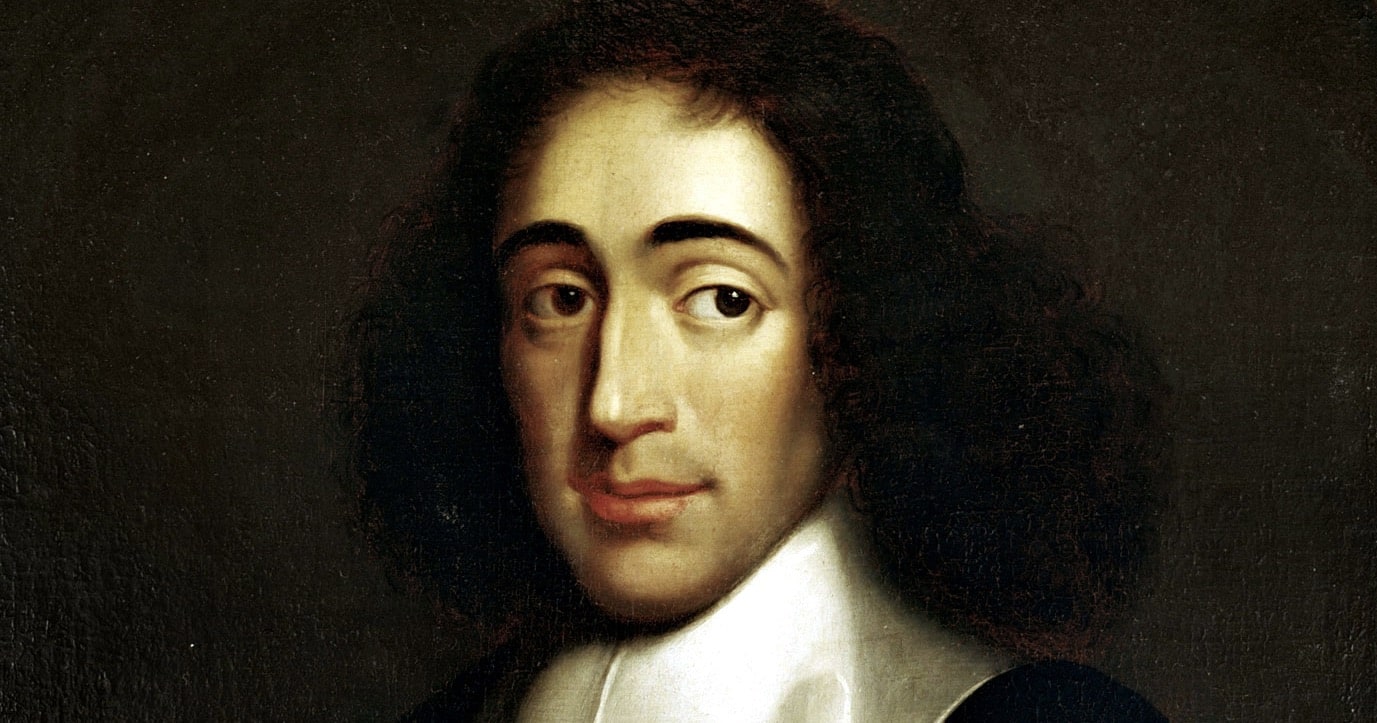
Image: Baruch Spinoza, via Wikimedia Commons.
Latest

Examining the Legacy of Baruch Spinoza in the History of Science

Categories
Faith & Science
History of Science
Intelligent Design
Share
Facebook
Twitter/X
LinkedIn
Flipboard
Print
Email

On a classic episode of ID the Future, join host and geologist Casey Luskin and historian of science Michael Keas for a lively conversation puncturing a series of anti-Christian myths about the history of science, including the Dark Ages myth, the flat-earth myth, the myth that humanity was rendered insignificant by the discovery of the size of the universe, and the simplistic revisionist history of Galileo and the Inquisition. What about the claim in the Cosmos TV series reboot that in abandoning his traditional Jewish faith, 17th-century philosopher Baruch Spinoza was able to provide an improved framework for doing science? As Keas argues, the truth is just the opposite. Spinoza, he says, abandoned a key tenet of Judeo-Christian theology that had proven vital to the birth of science. Download the podcast or listen to it here.

Dig Deeper

Andrew McDiarmid

Director of Podcasting and Senior Fellow
Andrew McDiarmid is Director of Podcasting and a Senior Fellow at Discovery Institute. He is also a contributing writer to Mind Matters. He produces ID The Future, a podcast from the Center for Science & Culture that presents the case, research, and implications of intelligent design and explores the debate over evolution. He writes and speaks regularly on the impact of technology on human living. Discovery Institute co-founder and bestselling author George Gilder has called McDiarmid “a scintillating venturer beyond the surfaces of technology to their hidden depths and meanings.” His work has appeared in numerous publications, including the New York Post, Chicago Tribune, San Francisco Chronicle, Daily Wire, Real Clear Politics, Newsmax, The American Spectator, Technoskeptic Magazine, and elsewhere. In addition to his roles at Discovery Institute, he promotes his homeland as host of the Scottish culture and music podcast Simply Scottish. Andrew holds an MA in Teaching from Seattle Pacific University and a BA in English/Creative Writing from the University of Washington.
Benefiting from Science & Culture Today?
Support the Center for Science and Culture and ensure that we can continue to publish counter-cultural commentary and original reporting and analysis on scientific research, evolution, neuroscience, bioethics, and intelligent design.

© Discovery Institute