






































Science and Culture Today Discovering Design in Nature
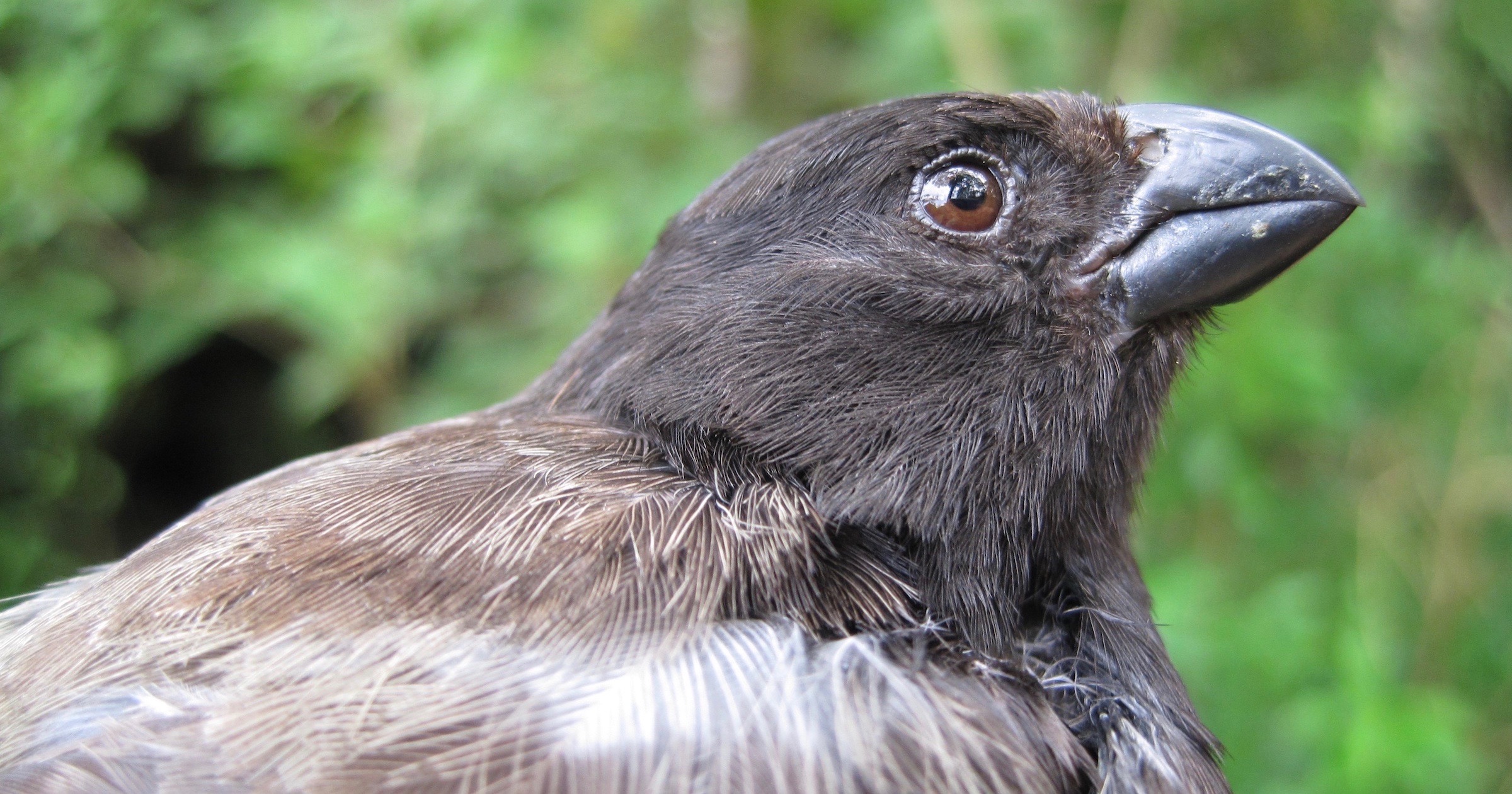
medium tree finch
Photo: Medium tree finch, by Jody O'Connor, Public domain, via Wikimedia Commons.
Latest

Is Adaptation Actually a Fight to Stay the Same?

Categories
Biology
Engineering
Evolution
Intelligent Design
Share
Facebook
Twitter/X
LinkedIn
Flipboard
Print
Email

On a new episode of ID the Future, host Casey Luskin talks with Eric Anderson on location at this year’s Conference on Engineering and Living Systems (CELS). The two discuss an intriguing new engineering-based model of bounded adaptation that could dramatically change how we view small-scale evolutionary changes within populations of organisms. In presenting his argument for natural selection, Charles Darwin pointed to small changes like finch beak size and peppered moth color as visible evidence of an unguided evolutionary process at work. Many have adopted this perspective, quick to grant the Darwinian mechanism credit for micro-, if not macro-, evolution. But Anderson and other attendees at the CELS conference are starting to promote a different view. “We need to stop saying organisms are partly designed,” says Anderson. “We need to view them as deeply designed and purposeful, active and engaged in their environments, and capable of adapting within their operating parameters.” To get a fascinating glimpse of this novel approach to biology, download the podcast or listen to it here.
Andrew McDiarmid

Director of Podcasting and Senior Fellow
Andrew McDiarmid is Director of Podcasting and a Senior Fellow at Discovery Institute. He is also a contributing writer to Mind Matters. He produces ID The Future, a podcast from the Center for Science & Culture that presents the case, research, and implications of intelligent design and explores the debate over evolution. He writes and speaks regularly on the impact of technology on human living. His work has appeared in numerous publications, including the New York Post, Houston Chronicle, The Daily Wire, San Francisco Chronicle, Real Clear Politics, Newsmax, The American Spectator, The Federalist, Technoskeptic Magazine, and elsewhere. In addition to his roles at Discovery Institute, he promotes his homeland as host of the Scottish culture and music podcast Simply Scottish. Andrew holds an MA in Teaching from Seattle Pacific University and a BA in English/Creative Writing from the University of Washington.
Benefiting from Science & Culture Today?
Support the Center for Science and Culture and ensure that we can continue to publish counter-cultural commentary and original reporting and analysis on scientific research, evolution, neuroscience, bioethics, and intelligent design.

© Discovery Institute