







































Scanning news headlines and social media, not least as we approach a national election, induces nausea. The way disagreements are poisoned by contempt, by a willingness to humiliate others because you don’t like their ideas, should make us want to apologize to younger people. How will they reinvent respect? No one side is exclusively to blame. Adults across the board engage in public fights where the personal destruction of ideological enemies is always a ready weapon.
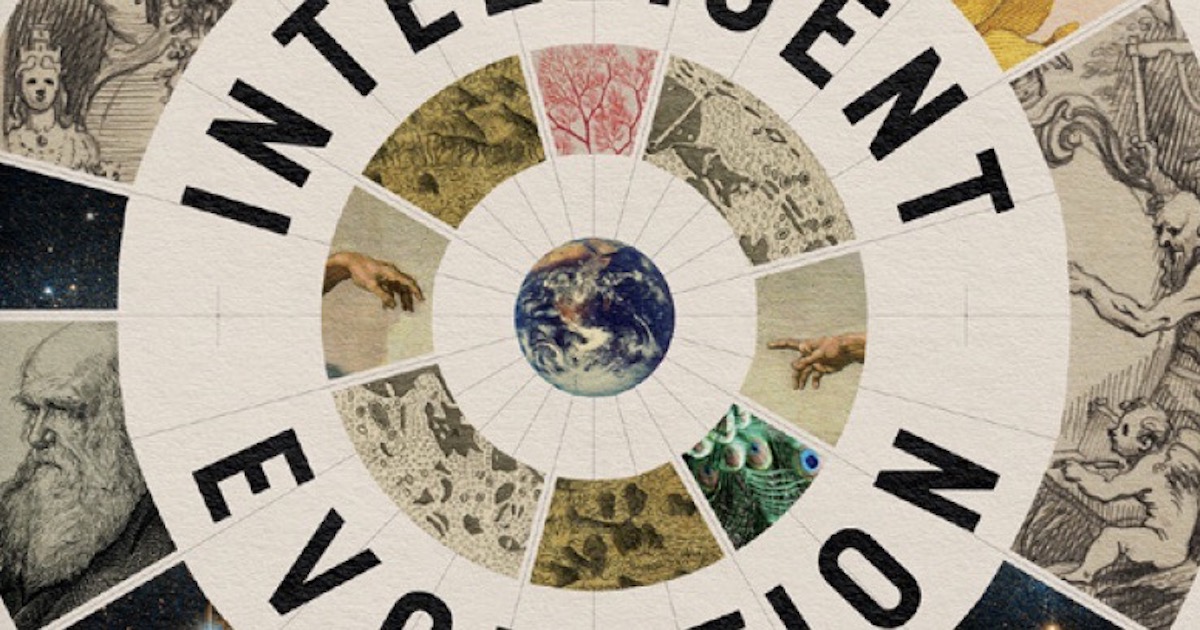
On an episode of ID the Future, science historians Michael Flannery and Michael Keas offer a timely reminder of how to disagree agreeably. Charles Darwin and Alfred Russel Wallace co-discovered what we think of as the “Darwinian” theory of evolution by natural selection. However, Wallace changed his mind about the scope of the theory. Professor Flannery recently released a new edition of his book Intelligent Evolution: How Alfred Russel Wallace’s World of Life Challenged Darwinism. Wallace did indeed challenge Darwin, breaking with him over issues including human exceptionalism and planetary fine-tuning that looked ahead to the modern theory of intelligent design.
But as Flannery recalls, while Darwin was saddened by Wallace and while the break undoubtedly cooled their relationship, the distance between them held no rancor. They remained respectful, civil, even generous. Before he died, Darwin even recommended Wallace for a government pension — which Wallace, who did not come from a wealthy background like Darwin’s, really needed.
Did Darwin mock Wallace, belittle his ideas, seek revenge? No, just the opposite, and the respect was fully reflected on Wallace’s part. As Keas and Flannery point out, we could all learn from Wallace’s forward-looking science but also from his, and Darwin’s, style of “friendly battle.” Download the podcast or listen to it here.