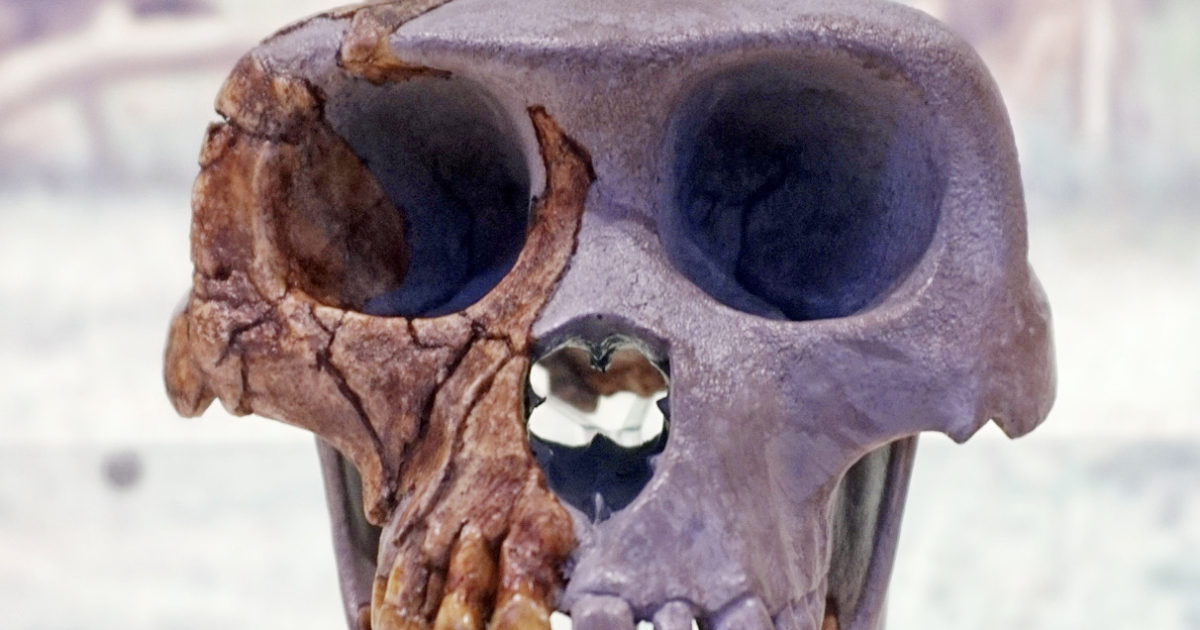
Ardipithecus ramidus Type post Author Casey Luskin Date February 26, 2021 CategoriesHuman Origins and Anthropology Tagged , Ardi, Ardipithecus ramidus, bonobos, chimpanzees, evolution, Germany, hominins, human ancestor, human origins, primates, Rosetta Stone, Sahelanthropus tchadensis, Science Advances, The Scientist, University of Tübingen Study: Hands of “Ardi” Indicate a Chimp-like Tree-Dweller and Knuckle-Walker Casey Luskin February 26, 2021 Human Origins and Anthropology 6 Initially, Ardi was widely called the “oldest human ancestor,” due to its supposed skeletal traits that indicated an early bipedal (upright walking) species. Read More ›
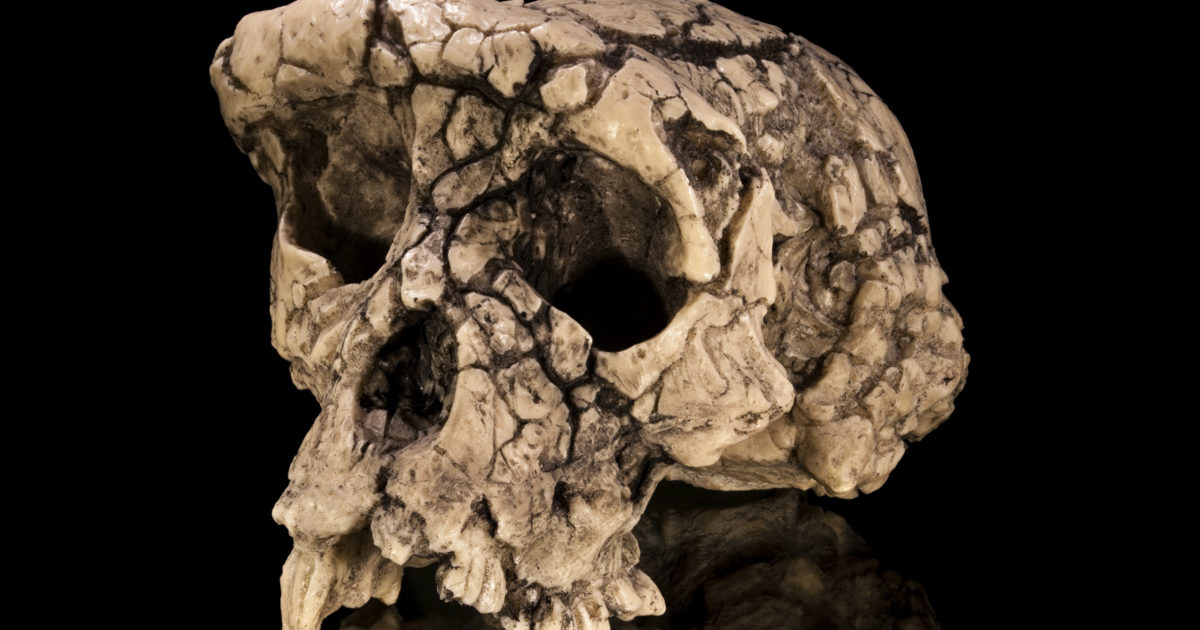
Toumaï Type post Author Casey Luskin Date February 8, 2021 CategoriesHuman Origins and Anthropology Tagged , bipedalism, chimpanzees, femur, gorillas, human ancestor, human origins, John Hawks, Journal of Human Evolution, Le Centre national de la recherche scientifique, Martin Pickford, New Scientist, Roberto Macchiarelli, Sahelanthropus tchadensis, University of Poitiers, University of Tübingen Newly Published Analysis Refutes Claims that Sahelanthropus tchadensis Was Human Ancestor Casey Luskin February 8, 2021 Human Origins and Anthropology 7 What happened to the femur? Did the original discoverers hold on to the bones to stonewall an analysis with a conclusion they didn’t like? Read More ›
Lizard-1-1 Type post Author Günter Bechly Date April 23, 2018 CategoriesEvolutionPaleontologyZoology Tagged , __nedited, arthropods, circadian rhythms, cladistics, common descent, crustaceans, Current Biology, Devonian Period, evolutionists, frogs, homology, homoplasy, lizards, Paleozoic, pseudogenes, Simon Conway Morris, sleep, Stephen Jay Gould, tetrapods, University of Tübingen, vertebrates, Willi Hennig Extinct Four-Eyed Monitor Lizard Busts Myth of a Congruent Nested Hierarchy Günter Bechly April 23, 2018 Evolution, Paleontology, Zoology 16 Obviously, evolutionary “laws” are quite malleable and have to give way when they become too cumbersome. Read More ›