Science and Culture Today Discovering Design in Nature
Topic

Moon

Richards eclipse

How a Perfect Solar Eclipse Suggests Intelligent Design

Perfect eclipses aren’t just eerie and beautiful. They’ve helped scientists test and discover things, and they are part of a larger pattern. Read More ›
ALH84001
astrobiology

What Astrobiology Teaches about the Origin of Life

It is possible that there is no surviving evidence anywhere on Earth of our planet’s first life. Read More ›
New_High-Resolution_Earthrise_Image

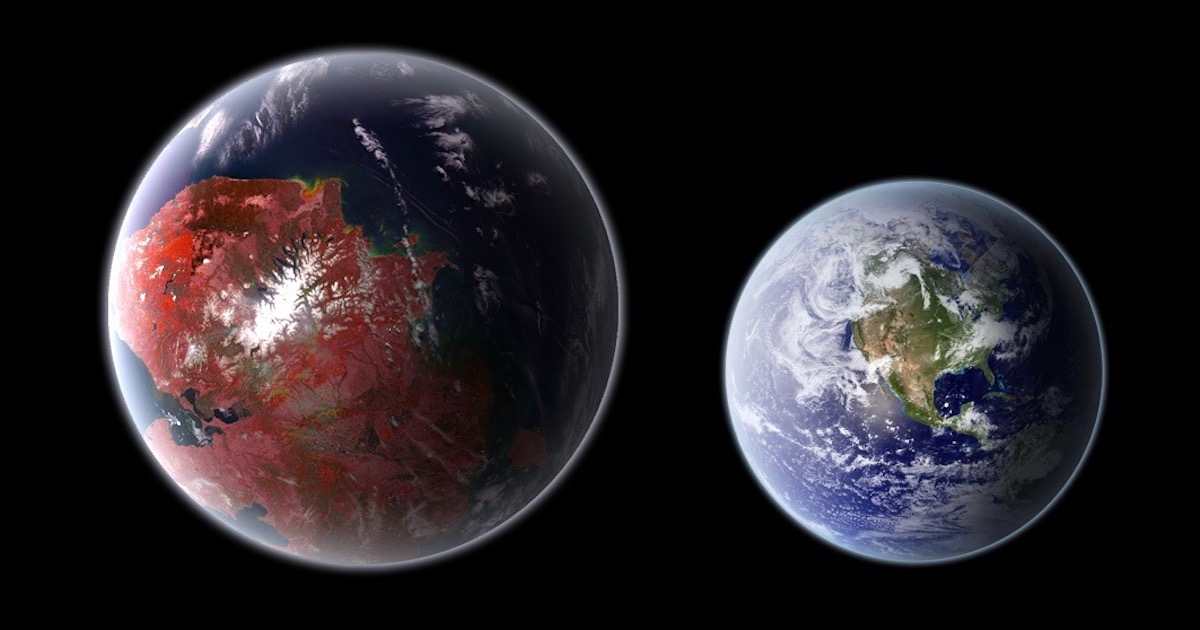
Earth — The Mystery of Our Colorful Home
Certainly, there is no logical reason why life should be wedded to the transcendental value of beauty. Read More ›
moonlight-1

Aquinas’ Third Way: An Analogy to Moonlight

Imagine that you are an astronomer on a world with one moon. It is always night on your world, and the moon is the only body in the sky. Read More ›
Odometer

Remembering the First Manned Moon Landing at 50; What Does the Future Hold?
I remember watching the Apollo moon landings on TV from 1969 to 1972 as a child. Read More ›
Darwin Devolves Book Party - Michael Behe John West

Clouds Part: More Photos of Behe Book Celebration

It was a dark and stormy night in Seattle yesterday until, I noticed, just when Mike Behe was scheduled to speak. Read More ›
The_Teacup_Galaxy_SDSS_1430

The Empty Heavens — Two Ways to Look at It

Adam Kirsch over the weekend had a thoughtful essay in the Wall Street Journal, meditating on the coming 50th anniversary of the first moon landing. Read More ›

Perfect Eclipses: Coincidence or Conspiracy?

Today we celebrate the hundredth anniversary of the solar eclipse that, on May 29, 1919, physicist Arthur Eddington observed, seeking to test the General Theory of Relativity. Read More ›
iss056e201322

Gonzalez: “Worlds Like This Are Hard to Come By”

How special the Earth is has become ever more apparent, in ways that allow life to flourish, but more than that. Read More ›
sun and earth 2

On the 15th Anniversary of The Privileged Planet: An Update

The basic thesis of TPP is that the best places for intelligent observers are also the best places for observing. Read More ›

© Discovery Institute