






































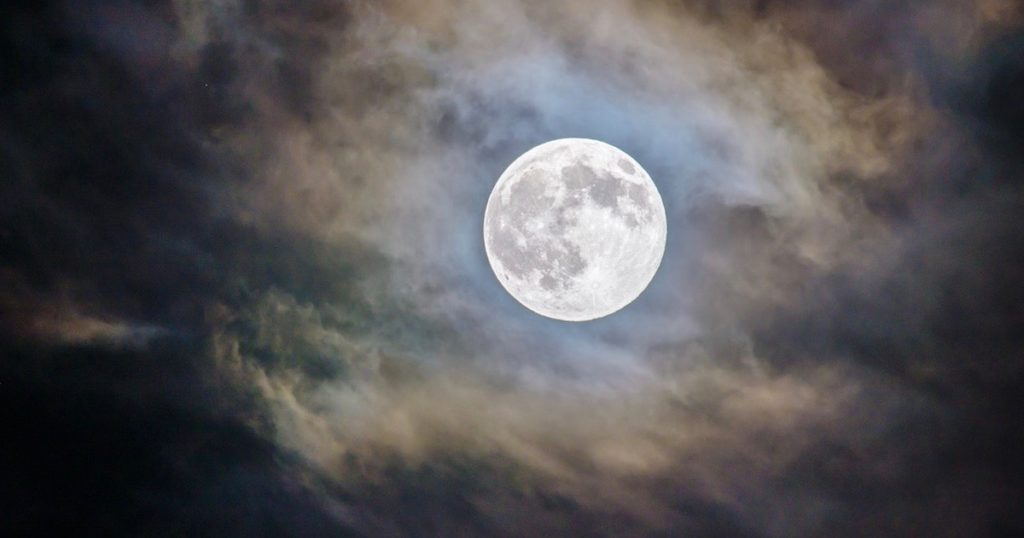
The “nature rights” movement has launched into outer space with a Declaration of the Rights of the Moon. From the Declaration:
The Moon possesses fundamental rights, which arise from its existence in the universe, including:
(a) the right to exist, persist and continue its vital cycles unaltered, unharmed and unpolluted by human beings;
(b) the right to maintain ecological integrity;
(c) the right to be defined as a self-sustaining, intelligent, cohesive, intact lunar ecosystem, beyond current human comprehension;
(d) the right to independently maintain its own life-sustaining relationship with the Earth’s environments and living creatures; and
(e) the right to remain a forever peaceful celestial entity, unmarred by human conflict or warfare.
That, of course, would make exploration, mining, and settlement of the moon illegal.
Moon rights! What will they think of next?
Don’t Laugh
As I have repeatedly documented here, environmentalists are increasingly embracing of “nature rights,” and the movement is growing in scope and influence. Five rivers and two glaciers have now been granted human-type rights to “exist and persist.” So have two glaciers. These are geological features.
More than thirty U.S. cities have extended rights to nature. The journal Science published its support. The Pope has come close to endorsing the concept and explicitly supports making “ecocide” a “crime against peace,” akin to genocide. Ecuador and Bolivia have adopted nature rights legally. The list is growing.
An orangutan was granted nonhuman rights by a judge in Argentina, as have animals in Pakistan.
It is easy to mock this movement and to not take it seriously. That’s how it will win.
The best approach is to mock the movement, explain why only humans and our juridical entities are entitled to rights, and thwart the environmentalist radicals at every turn. Otherwise, the smiles could soon be wiped off our faces.