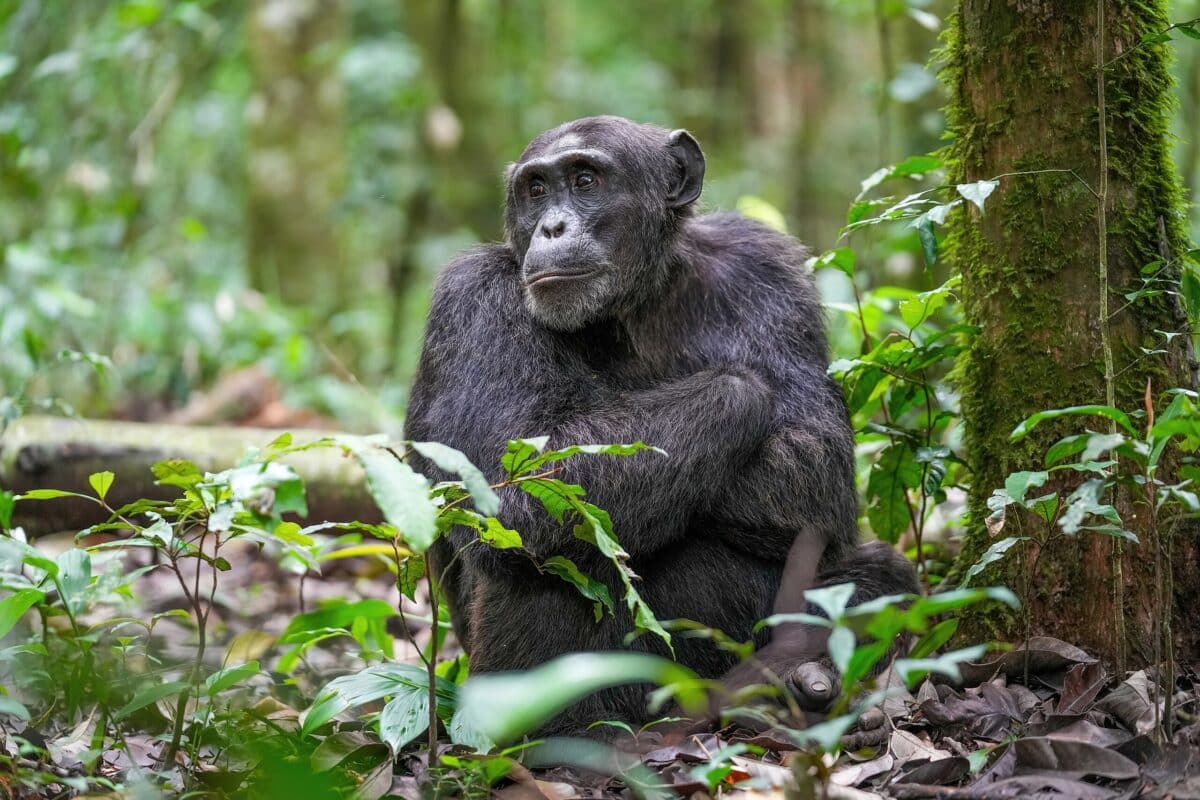
013_Alpha_male_chimpanzee_at_Kibale_forest_National_Park_Photo_by_Giles_Laurent Type post Author Denyse O’Leary Date April 2, 2025 CategoriesEvolutionNeuroscience & Mind Tagged , 1 percent myth, brains, chimpanzees, decision-making, DNA, human brains, humans, language, neurons, neuroscientists, Oxford University, personality, planning, prefrontal cortex, sound, thought Research: Human Brains Differ from Chimps’ Even More than Expected Denyse O’Leary April 2, 2025 Evolution, Neuroscience & Mind 3 It’s surprising how many people offer the common throwaway line, “We share 98.8 percent of our DNA with chimps!” Read More ›
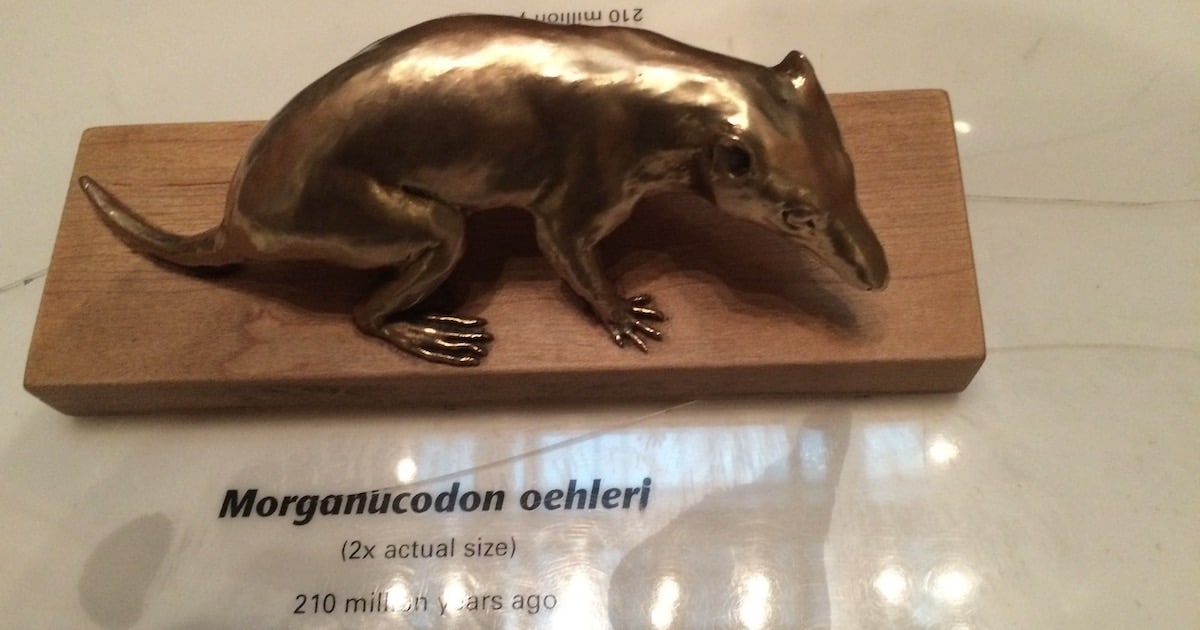
Morganucodon Type post Author Casey Luskin Date October 5, 2023 CategoriesHuman Origins and AnthropologyScience Education Tagged , Australopithecines, biological origins, butterfly, California Science Center, Cambrian Explosion, chimpanzees, Christmas, David Coppedge, Discovery Institute, education, evolution, free speech, French Revolution, Genetics (journal), Günter Bechly, human brains, human origins, Human Zoos, humans, intelligent design, Jeffrey Schwartz, John West, mammals, National Museum of Natural History, Niles Eldredge, Proceedings of the Biological Society of Washington, Racism, Richard Sternberg, Rick Potts, Sahelanthropus tchadensis, scientific racism, Smithsonian Institution, Stephen Meyer, Washington DC, Zeus Visitor’s Guide: At Nation’s Natural History Museum, Misinformation on Human Origins, and More Casey Luskin October 5, 2023 Human Origins and Anthropology, Science Education 18 Mammalian fossil exhibits at the Smithsonian claim that humans and all mammals descended from the “first mammal," perhaps Morganucodon. Read More ›
Carl Sagan Type post Author Granville Sewell Date March 5, 2023 CategoriesEvolutionIntelligent DesignOrigin of LifePhysicsTechnology Tagged , Carl Sagan, chemical processes, computers, Cosmos (series), evidence, evolution, Evolution News, fossils, human brains, intelligence, intelligent design, iPhones, Irreducible Complexity, Michael Behe, natural causes, natural selection, Second Law of Thermodynamics, self-replicating machines, tornado, unintelligent forces Yes, Extraordinary Claims Require Extraordinary Evidence — Let’s Hear Some for Darwinian Evolution Granville Sewell March 5, 2023 Evolution, Intelligent Design, Origin of Life, Physics, Technology 4 Carl Sagan famously said, “I believe that the extraordinary should be pursued. But extraordinary claims require extraordinary evidence.” Read More ›