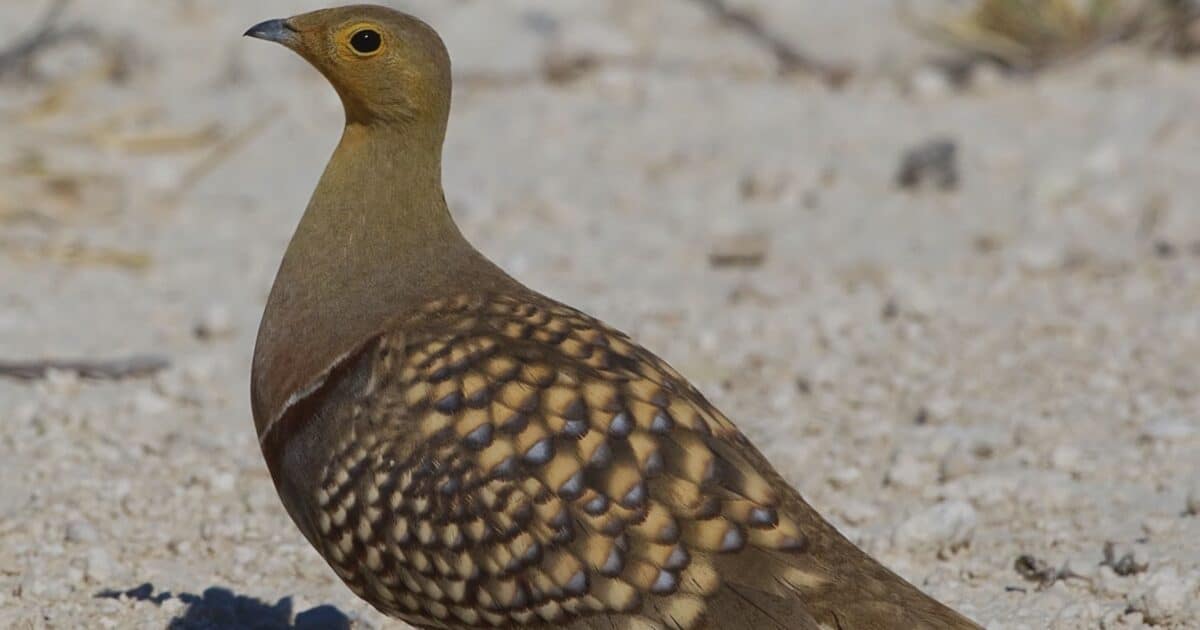
2012-namaqua-sandgrouse-male 2 Type post Date May 7, 2023 CategoriesBiologyEngineeringIntelligent DesignLife Sciences Tagged , Africa, Biomimetics, bird feathers, birds, Brian Miller, Casey Luskin, feathers, Flight, intelligent design, Johns Hopkins University, males, MIT, nest, Science and Faith in Dialogue, water Sandgrouse Takes the Royal Society to Design School Science & Culture May 7, 2023 Biology, Engineering, Intelligent Design, Life Sciences 2 Episode guest Brian Miller talks with host Casey Luskin about the details of the ingenious design. Read More ›
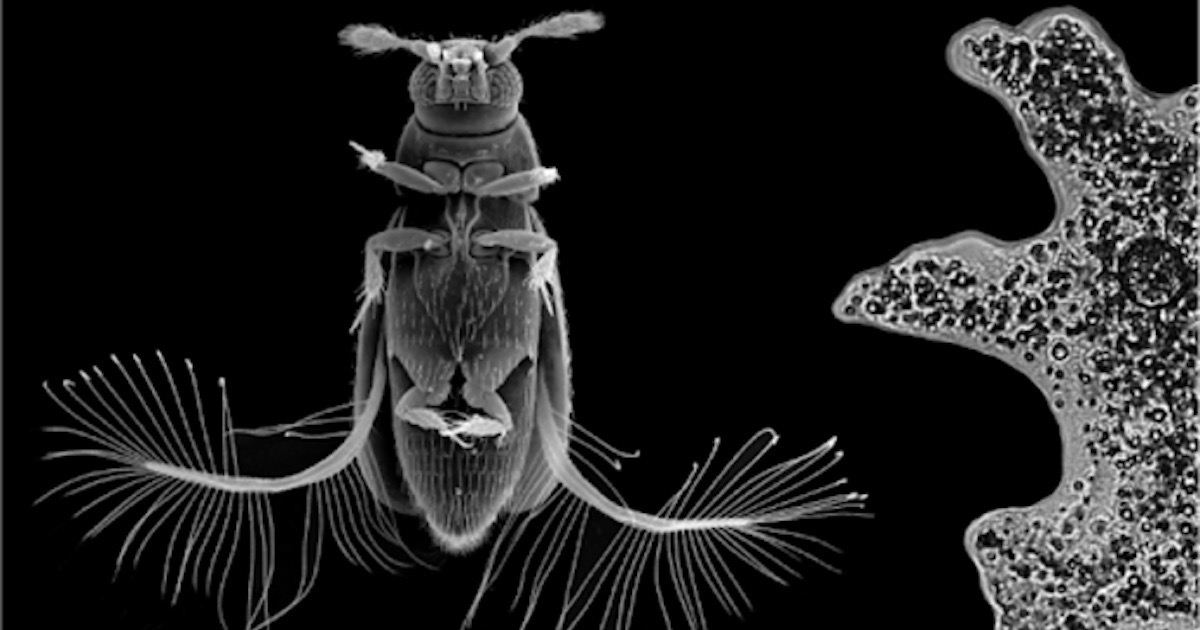
featherwing beetle Type post Author David Coppedge Date December 24, 2022 CategoriesBiologyIntelligent DesignLife Sciences Tagged , beetles, bird feathers, Charles Darwin, Coleoptera, convergent evolution, evolution, Flight, intelligent design, J.B.S. Haldane, Japan, larvae, miniaturization, Nature (journal), PLOS ONE, Research, The Scientist, zoo #9 Story of 2022: New Mode of Flight Found in Tiny Beetle David Coppedge December 24, 2022 Biology, Intelligent Design, Life Sciences 9 A millimeter-sized beetle flies efficiently with feathery wings and a beat mode not seen before. Did it evolve by natural selection? Read More ›
featherwing beetle Type post Author David Coppedge Date February 3, 2022 CategoriesBiologyEvolutionIntelligent Design Tagged , beetles, bird feathers, Charles Darwin, Coleoptera, convergent evolution, evolution, Flight, intelligent design, J.B.S. Haldane, Japan, larvae, miniaturization, Nature (journal), PLOS ONE, Research, The Scientist New Mode of Flight Found in Tiny Beetle David Coppedge February 3, 2022 Biology, Evolution, Intelligent Design 8 A millimeter-sized beetle flies efficiently with feathery wings and a beat mode not seen before. Did it evolve by natural selection? Read More ›
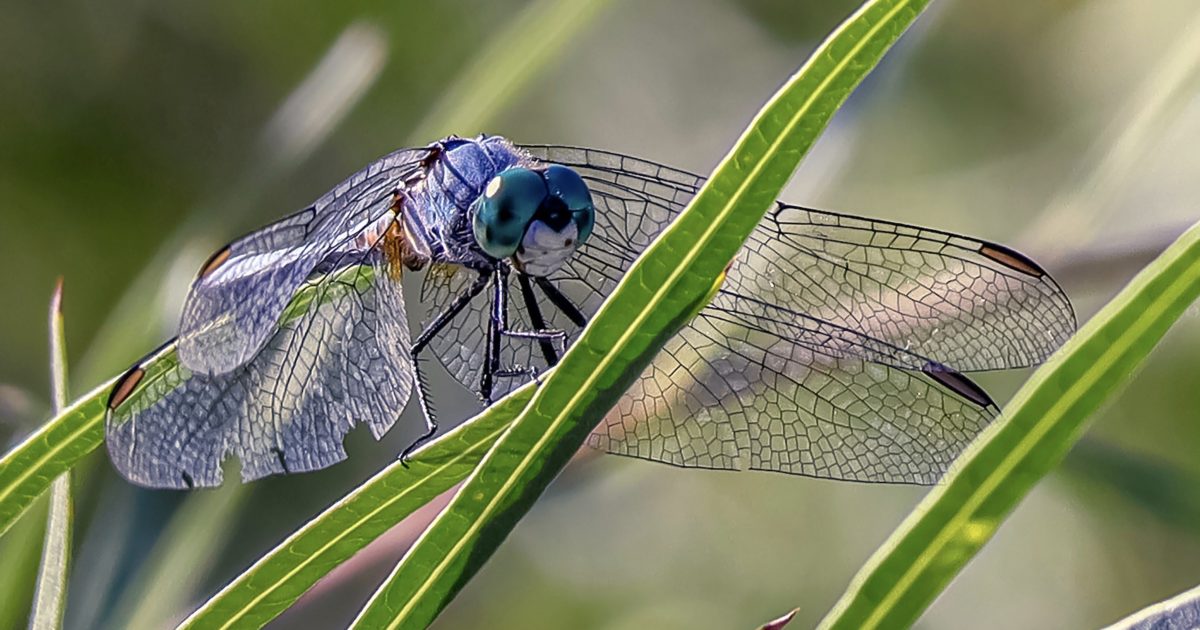
dragonfly Type post Date July 9, 2020 CategoriesEngineeringEvolutionIntelligent Design Tagged , Andrew McDiarmid, bacteria, bird feathers, butterflies, cicadas, dragonflies, error correction, evolution, Evolution News, foresight, fruit flies, ID the Future, intelligent design, optimization Optimized Insect Designs — via Evolution? Science & Culture July 9, 2020 Engineering, Evolution, Intelligent Design 1 Cicadas and dragonflies use an exquisitely engineered “bed of nails” on their wings to disarm and neutralize bacteria. Read More ›
Print Type post Author Günter Bechly Date September 12, 2018 CategoriesEvolutionIntelligent Design Tagged , __k-review, annelids, arthropods, bird feathers, birds, Cambrian Explosion, Cambrian News, cancer theory, causation, Charles Marshall, chordates, clades, compound eyes, correlation, Günter Bechly, insects, mammals, mollusks, Neo-Darwinism, oxygen theory, Richard Dawkins, slime theory, Stephen Meyer, tetrapods, The Greatest Show on Earth, theistic evolution, University of Bristol Ignoring Other Research, New Study Explains (Away) the Origin of New Body Plans Günter Bechly September 12, 2018 Evolution, Intelligent Design 7 Recently, a team of British paleontologists added a new pseudo-explanation. Read More ›