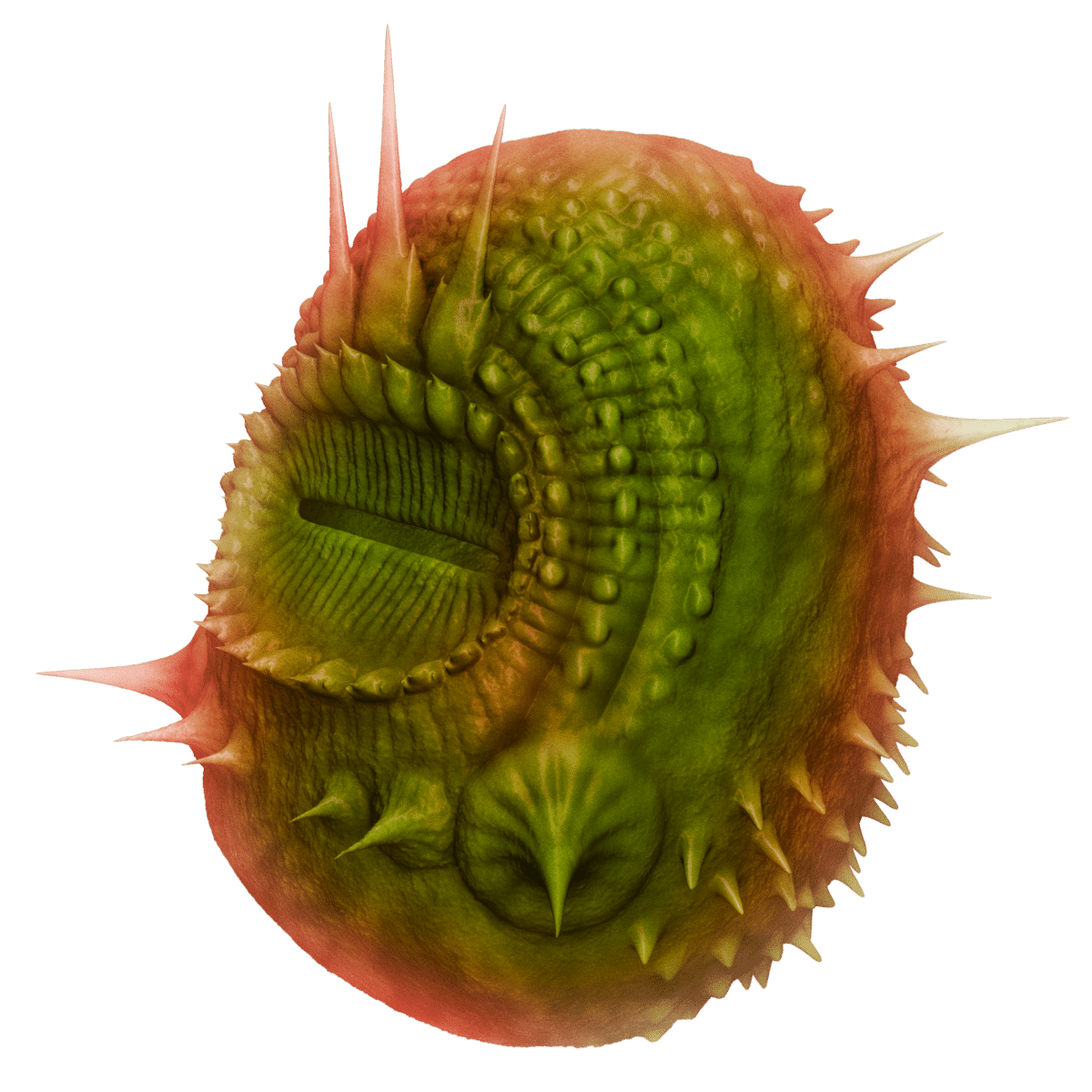
Saccorhytus Type post Author Günter Bechly Date December 13, 2024 CategoriesEvolutionPaleontology Tagged , acorn worms, algorithms, anus, bilaterian animals, Early Cambrian, echinoderms, Fossil Friday (series), New York Times, ResearchGate, synapomorphies, synapomorphy, The Guardian, University of Bristol, University of Cambridge Fossil Friday: Say Hello to Our Microscopic Granddaddy? Günter Bechly December 13, 2024 Evolution, Paleontology 9 What we do know is that it is definitely not our earliest ancestor. Another overhyped missing link bites the dust. Read More ›
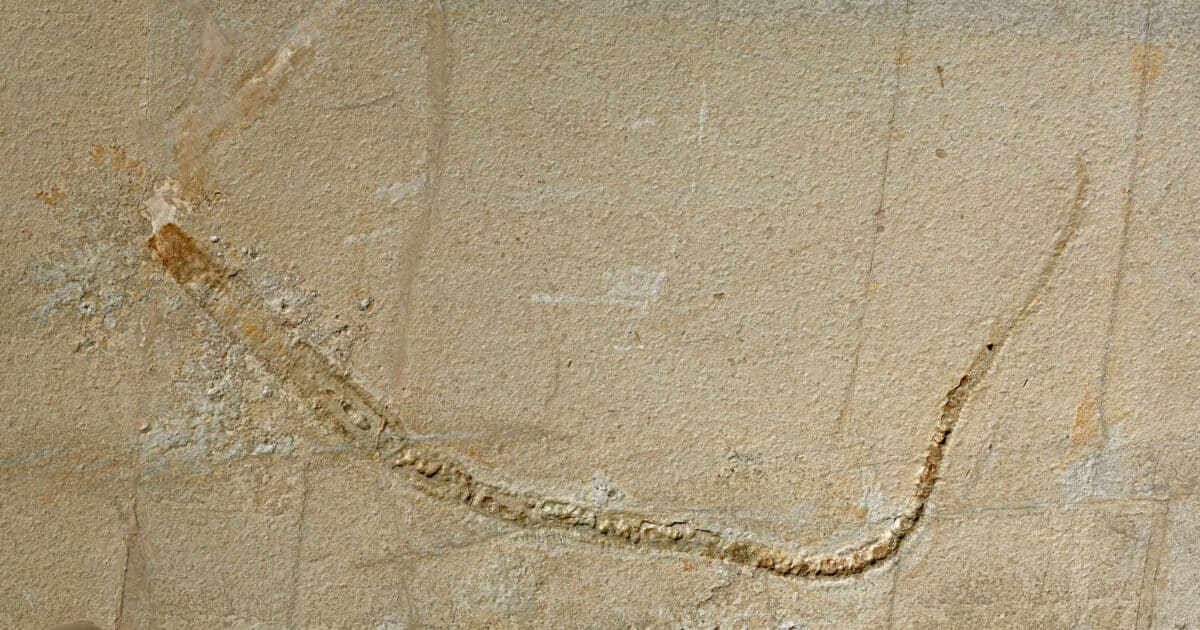
hemichordate Type post Author Günter Bechly Date April 12, 2024 CategoriesEvolutionPaleontology Tagged , acorn worms, Burgess Shale, Cambrian Explosion, Canada, Chengjiang biota, China, Darwinian theory, Fossil Friday (series), ghost lineages, paleontology, sea floor Fossil Friday: Hemichordate Body Plan and Lifecycle Goes Back to the Cambrian Explosion Günter Bechly April 12, 2024 Evolution, Paleontology 6 This Fossil Friday we will discuss the abrupt origin of yet another animal phylum during the famous Cambrian Explosion. Read More ›
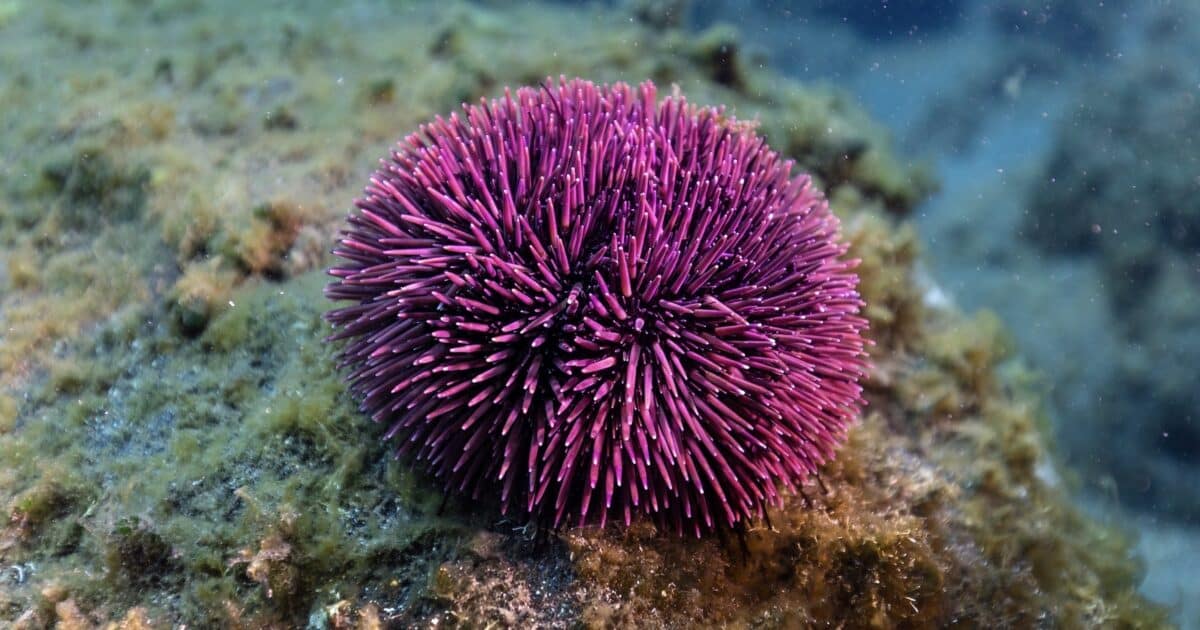
Sphaerechinus granularis Type post Author Paul Nelson Date February 21, 2023 CategoriesBiologyEvolutionIntelligent DesignPhilosophy Tagged , acorn worms, anus, Biological Reviews, chordates, echinoderms, embryology, evolution, gills, Harvard University, mouth, phylogeny, sea urchins, Smithsonian Institution, University of Oklahoma, worms A Remarkably Candid Statement About an Unsolved Evolutionary Puzzle Paul Nelson February 21, 2023 Biology, Evolution, Intelligent Design, Philosophy 3 According to current systematic theory, everyone reading this right now belongs to the taxonomic category Deuterostomia. Read More ›
Hoilungia-hongkongensis Type post Date August 15, 2018 CategoriesEvolution Tagged , __cedited, acorn worms, Cambrian Explosion, Cambrian News, Darwin's Doubt, Ediacaran Period, evolution, Hong Kong, invertebrates, lancelets, nervous system, neurons, Nobel Prize, phylum, plasticity, PLOS Biology, PNAS, sea urchins, tunicates, vertebrates Placozoa: An Evolutionary Leftover? Science & Culture August 15, 2018 Evolution 7 Simple, small, and worldwide in distribution, the placozoa don’t fit any clear evolutionary picture. Read More ›