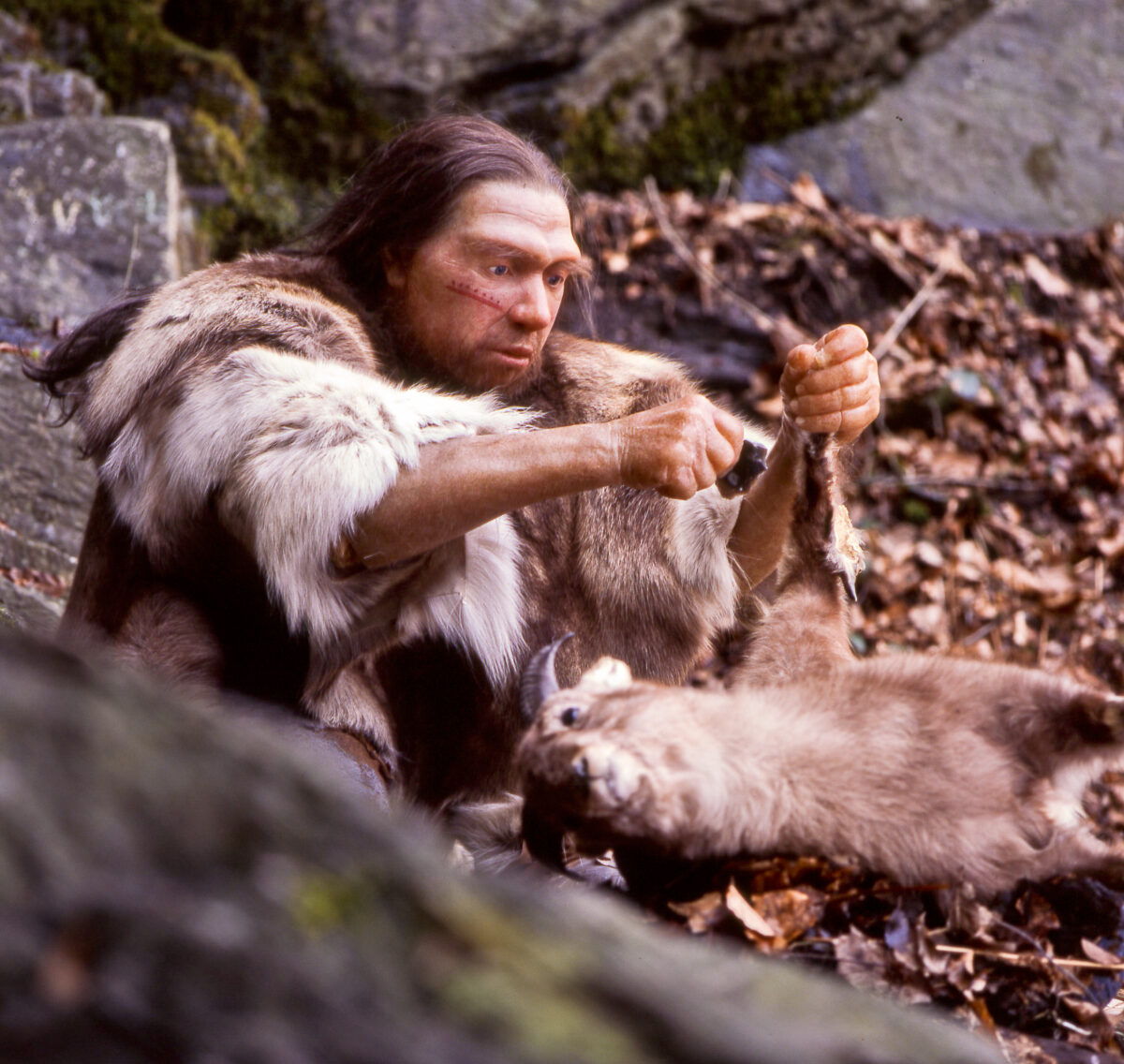
Homo_sapiens_neanderthalensis-Jäger Type post Author Denyse O’Leary Date November 5, 2024 CategoriesEvolutionary PsychologyHuman Origins and AnthropologyNeuroscience & Mind Tagged , abstract thinking, anthropology, Aristotle, behavior, Big Think, consciousness, evolution, human mind, human origins, neuroscientists, panpsychism, Roger Penrose, Stone Age Getting Stoned: Did It Shape Human Origins? Denyse O’Leary November 5, 2024 Evolutionary Psychology, Human Origins and Anthropology, Neuroscience & Mind 6 For a really wild excursion, nothing beats efforts to explain the evolution of the human mind. Read More ›
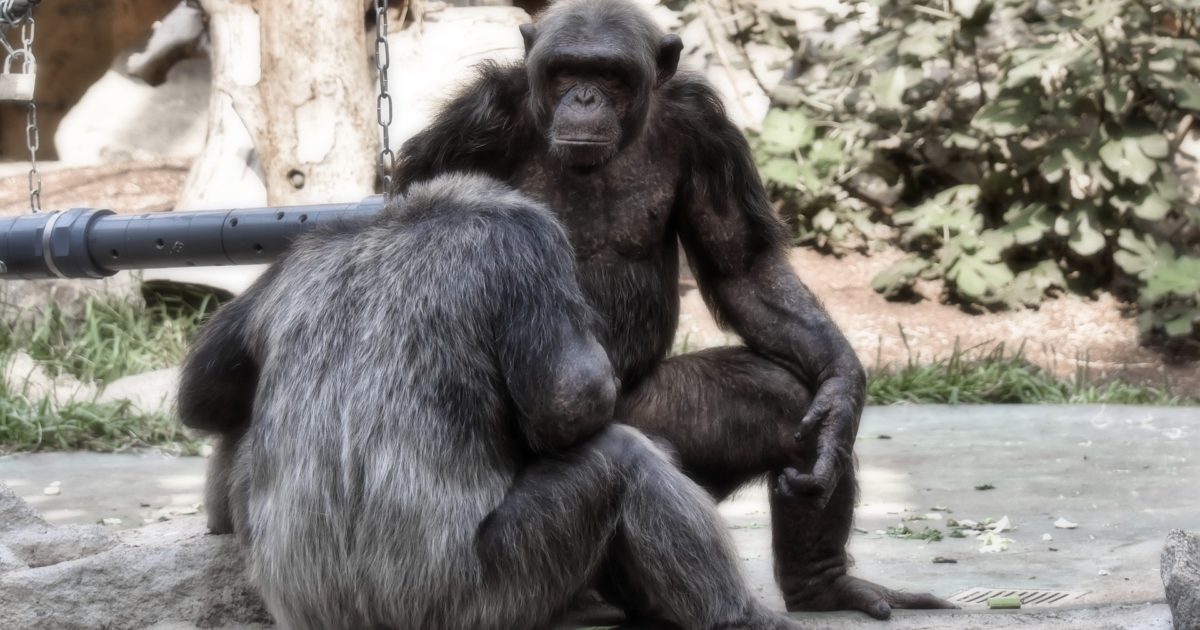
chimps Type post Date December 1, 2022 CategoriesEvolutionScience Tagged , abstract thinking, academics, Adam and Eve, animal welfare, chimpanzees, Côte D’Ivoire, experts, human beings, humans, Jane Goodall, Politics Studying Chimps Is “Politics by Other Means” Science & Culture December 1, 2022 Evolution, Science 3 A recent book in which chimpanzee experts reflect on their work tells us a good deal about the chimpanzee expert world. Read More ›
Type post Author Michael Egnor Date September 1, 2016 CategoriesHuman Origins and AnthropologyNeuroscience & MindPhilosophy Tagged , __tedited, abstract concepts, abstract thinking, designators, grammar, human exceptionalism, human nature, meaning, purposefulness, qualia, signals, speech, The Kingdom of Speech, Tom Wolfe Why Does Man Have Language? Michael Egnor September 1, 2016 Human Origins and Anthropology, Neuroscience & Mind, Philosophy 5 Both humans and other animals use signs. Signs are things that direct attention to something else. Read More ›
monke Type post Author Michael Egnor Date July 17, 2016 CategoriesEvolution Tagged , __cedited, abstract concepts, abstract thinking, animal behavior, human brain, Nature, Research How Could We Know if Animals Can Think Abstractly? Michael Egnor July 17, 2016 Evolution 3 I have laid out in previous posts the evidence that animals are not capable of abstract thought. Read More ›
Type post Author Michael Egnor Date May 3, 2016 CategoriesHuman Origins and AnthropologyNeuroscience & MindPsychology Tagged , __tedited, abstract thinking, choices, determinism, fallacy, free will, human mind, human responsibilities, illusions, mind-brain debate, natural causes, people, self Is Free Will Just "Your Brain Tricking Itself"? Michael Egnor May 3, 2016 Human Origins and Anthropology, Neuroscience & Mind, Psychology 5 When scientists propose a really inane explanation for a mundane observation, evolutionary psychology is likely the discipline invoked. Read More ›