Science and Culture Today Discovering Design in Nature
Category

Cosmology

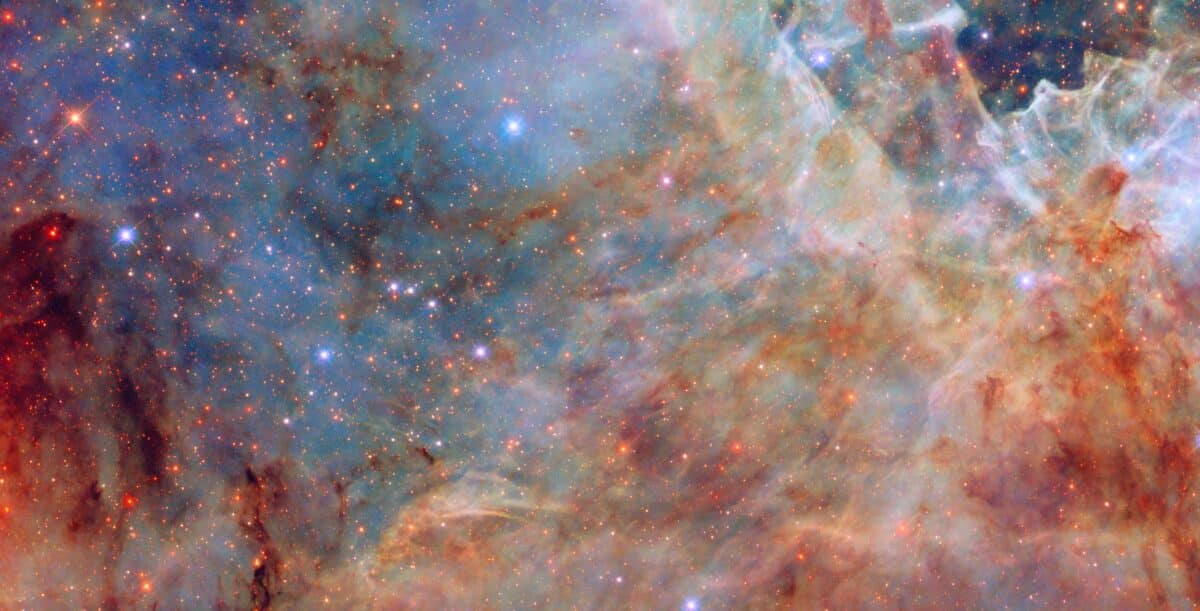
Omega=Centauri
Photo: Omega Centauri, X-ray:, by NASA/CXC/SAO; Optical: NASA/ESA/STScI/AURA; IR:NASA/JPL/Caltech; Image Processing: NASA/CXC/SAO/N.

Dark Matter and Intelligent Design: A Prediction
Let’s look at some of the remarkable features of dark matter, already discovered by observations in astronomy and cosmology. Read More ›
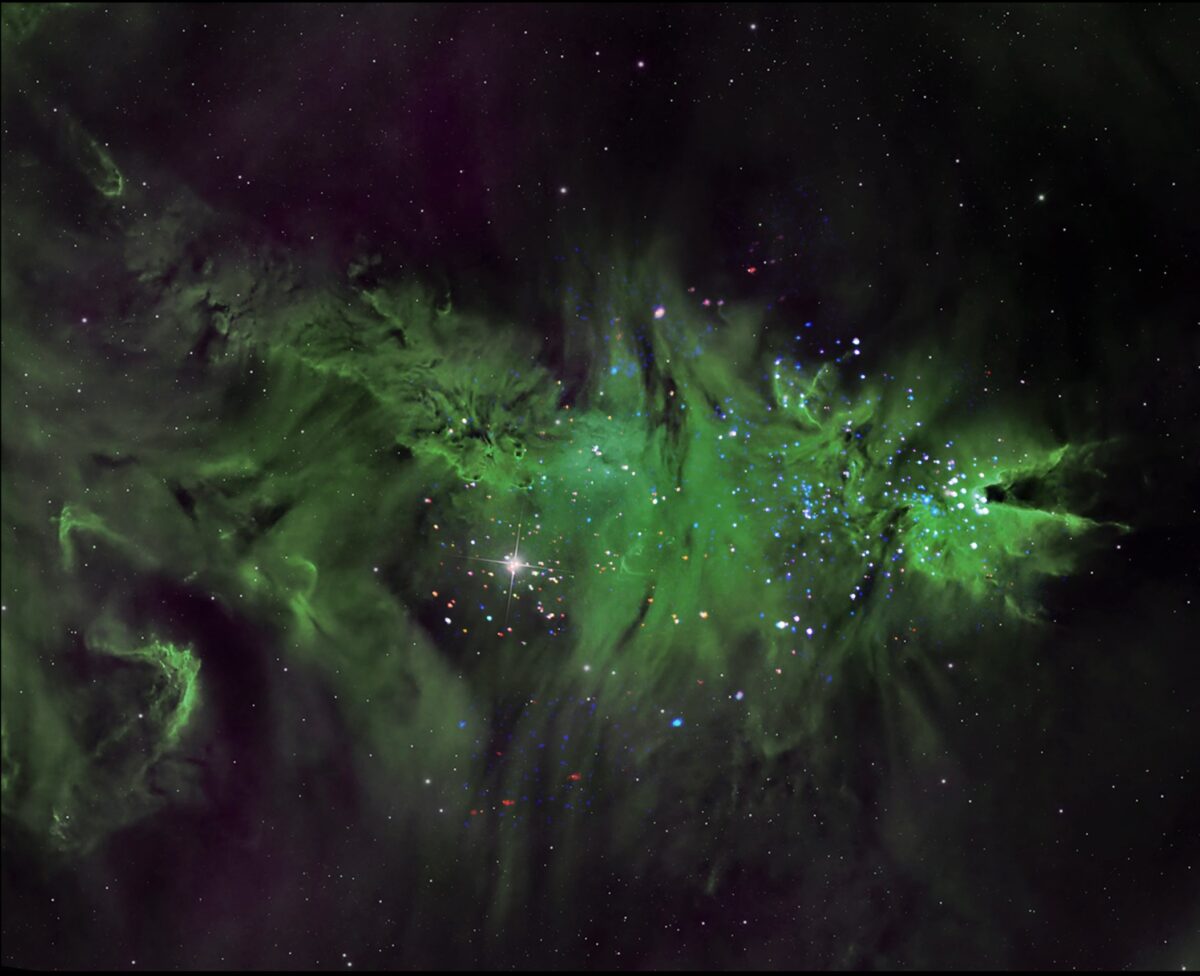
ngc2264
Photo credit: X-ray: NASA/CXC/SAO; Optical: Clow, M.; Image Processing: NASA/CXC/SAO/L. Frattare and K. Arcand.

Rejecting the Multiverse: Elie Feder and Aaron Zimmer

It can be tempting to dismiss the idea of the multiverse as unobservable fantasy. Read More ›
Meyer-Rogan
Photo: Courtesy of The Joe Rogan Experience.

Watch: Steve Meyer and Joe Rogan, Full Podcast Episode Now on YouTube
Whatever your political leanings, I think you’ll get a kick out of seeing philosopher of science Stephen Meyer in the same seat where Donald Trump sat recently. Read More ›
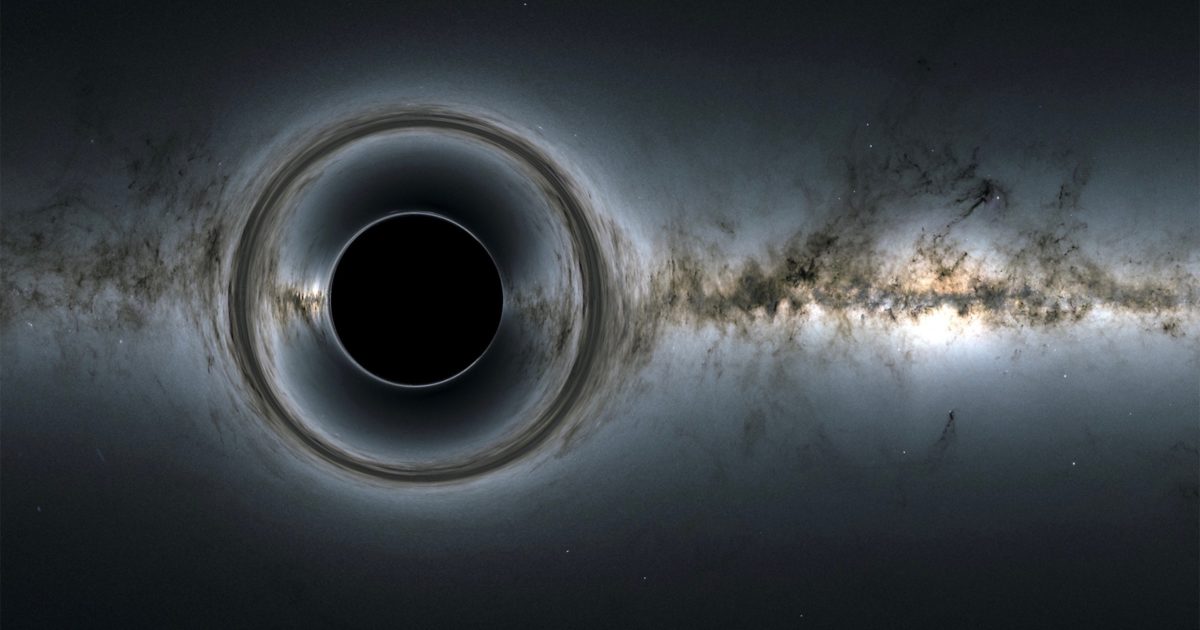
black hole
Image: An artist imagines a black hole, by NASA’s Goddard Space Flight Center; background, ESA/Gaia/DPAC.

Were We Made to Make Black Holes?

I want to compare our book with a 2020 paper by Jeffery Shainline of the National Institutes of Standards and Technology. Read More ›
Cloudscape_Over_the_Philippine_Sea
Photo credit: NASA, Public domain, via Wikimedia Commons.

Robin Collins’s “Fine-Tuning for Discoverability” Argument

In November 2000 we each presented at the “Science and Evidence for Design in the Universe” symposium at Yale University. Read More ›
Dawkins

Atheist on the Ropes: Piers Morgan Confronts Richard Dawkins About ID and Stephen Meyer

There’s something wonderful about watching Dawkins being compelled to watch Stephen Meyer and then being obliged to respond. Read More ›
Aurora
Photo: Aurora as seen from the International Space Station, via NASA/Shane Kimbrough.

Our Purposeless Planet? Jay Richards Tackles the Copernican Principle

Not only is planet Earth well suited for advanced life like ourselves, it’s also finely tuned for scientific discovery. Read More ›
rainbow
Photo credit: Ted.ns, CC BY-SA 4.0 <https://creativecommons.org/licenses/by-sa/4.0>, via Wikimedia Commons.

Beauty and Our Privileged Planet

As Jay Richards and I argue in our book, nature seems designed in such a way that the most habitable places are the best places to do science. Read More ›
Nicolaus_Copernicus_Monument_in_Toruń_(Thorn)
Photo: Copernicus, by Pudelek, CC BY-SA 4.0 <https://creativecommons.org/licenses/by-sa/4.0>, via Wikimedia Commons.

Jay Richards: Toppling a Myth of Human Insignificance

It was 19th-century materialism that needed the so-called Copernican demotion, for ideological reasons, and the historians of the time obediently invented it. Read More ›
Saturn
Photo credit: NASA, ESA, A. Simon (Goddard Space Flight Center), M.H. Wong (University of California, Berkeley), and the OPAL Team.

Finding Beauty and Harmony in the Sciences

Melissa Cain Travis expounds on what she calls the principle of cosmic comprehensibility, the idea that the universe is intelligible to us. Read More ›

© Discovery Institute