






































We talk a lot about exercise, healthy eating, and regulating stress as prime ways to live longer. Some people take health so seriously that they end up “biomaxxing,” orienting their whole life around physical habits they think will give them a few more trips ’round the sun. (The most well-known person in this category of behavior is a fellow named Bryan Johnson, who is on a quest to conquer death for good.)
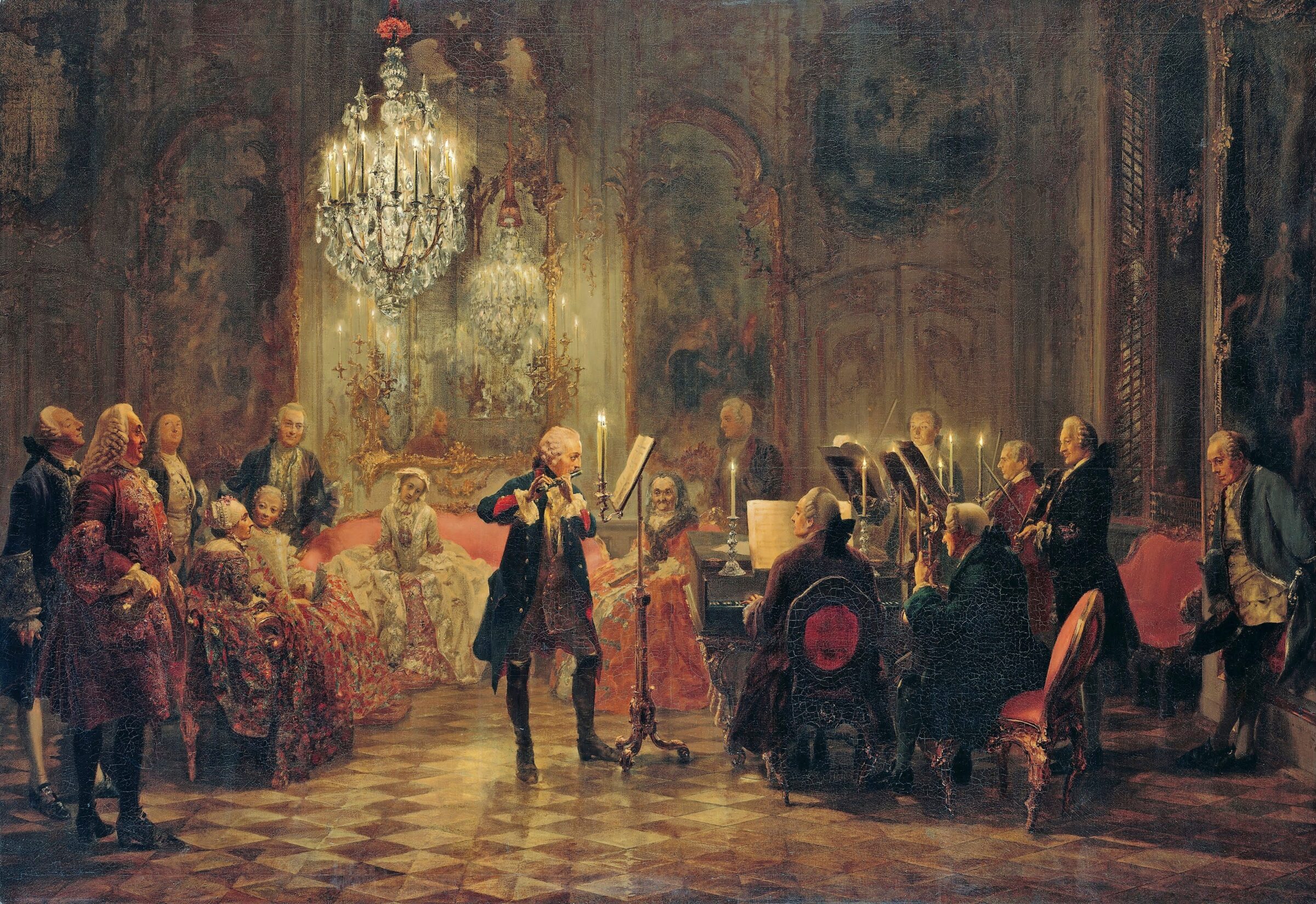
But what happens to the body when we experience transcendentally beautiful works of art? An open access study points to the possibility that regularly interacting with the arts can actually help us live longer lives.
Arts for Life’s Sake?
Samantha Boardman writes in the Wall Street Journal:
A new study from University College London found that regular arts and cultural engagement — including visiting galleries, attending concerts, singing and dancing — slows biological aging at the same rate as physical exercise. People who engaged most frequently and across the widest variety of activities were roughly a year younger biologically than those who didn’t. According to the researchers, it is the first study to show arts engagement working at the epigenetic level. The lead author described it as the cultural equivalent of going to the gym.
This is quite impressive. Visiting museums, going to orchestral concerts, reading great literature, etc., can all enhance your chances of longevity. The study compares arts and culture engagement with daily exercise. It’s that significant.
Of course, it would be a bit odd to start engaging with cultural artifacts for the sole purpose of tacking a few more years onto your earthly life; and I would imagine that attending to works of art should be done on its own merits and for its own sake lest it lose some of its influence on health. We might also think of the many other benefits associated with reading literature. It’s true that doing so can sharpen your memory and cognitive capacity, but these are byproducts of the activity and not necessarily the end goal.
A Good Place to Start
That said, if someone takes note of this study and starts going to the art gallery and the concert hall, that isn’t a bad thing. It’s a good place to start, and who knows where the habit will end up? Maybe such a person will become an artist or curator herself.
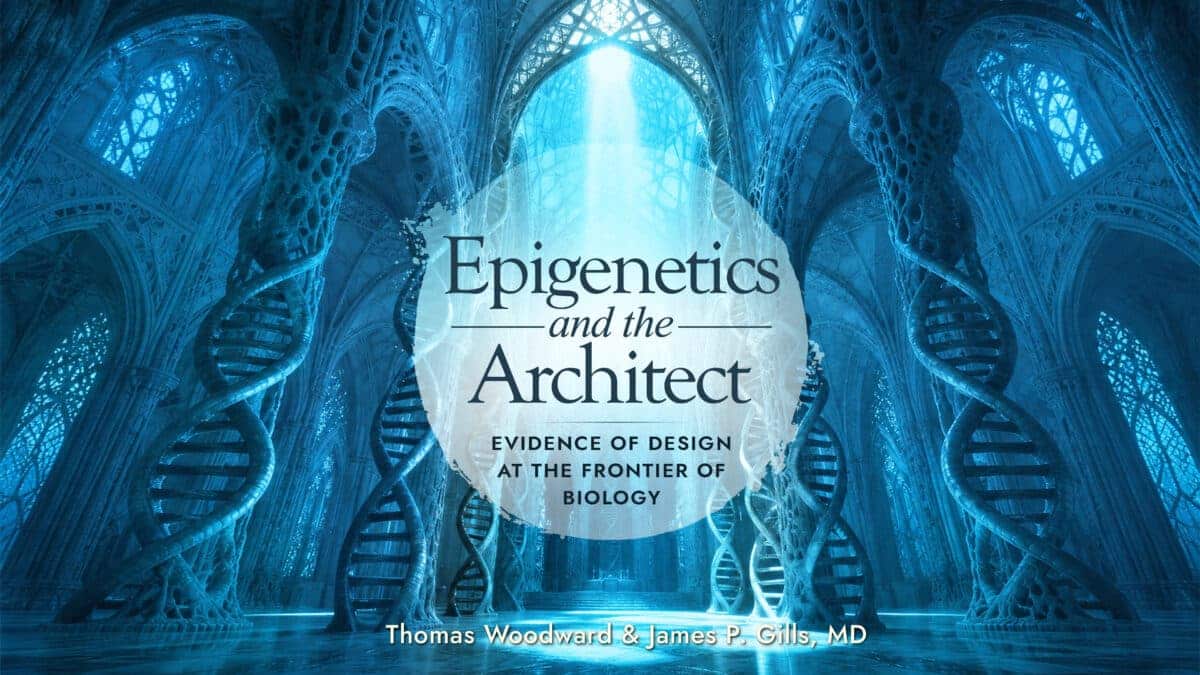
Speaking of epigenetics, which Boardman mentions in the context of the University College London study, Discovery Institute Press just released a new book on the topic, Epigenetics and the Architect: Evidence of Design at the Frontier of Biology, by Thomas Woodward and Thomas P. Gills, MD. The book’s release coordinates nicely with the study on arts and cultural engagement’s connection with biological longevity.
Epigenetics involves how behavior and environment can impact genes, and Woodward and Gills describe this fascinating subject in their work. They believe epigenetics represents an even greater revolution in the sciences than Watson and Crick’s discovery of the DNA sequence. The information for life is stored not only in DNA but in the epigenetic structure, suggesting strong evidence that we are purposely designed at the cellular and molecular levels.
Spiritual and Physical Beings
Biochemist Michael Denton said this about the book:
The authors describe how the attachment of small chemical groups to specific sites along the DNA molecule, or to specific histone sites in the chromatin, promotes or represses the expression of particular genes. And while the complexity of the epigenome, which regulates the expression of genes in one cell type, is in itself mind blowing, the total epigenomic complexity of any whole multicellular organism is vastly more complex, as each cell type has a different epigenome.
So, going to the museum or listening to some beautiful music makes a difference at the epigenetic level, which, as these authors demonstrate, is overwhelmingly complicated and holds its unique sort of architecture and beauty.
The new study and the new book shed light on the connection between the arts and sciences. In my view, it represents yet another clue about how we are both spiritual and physical beings. The two realms are connected in mysterious and remarkable ways.