






































Science and Culture Today Discovering Design in Nature
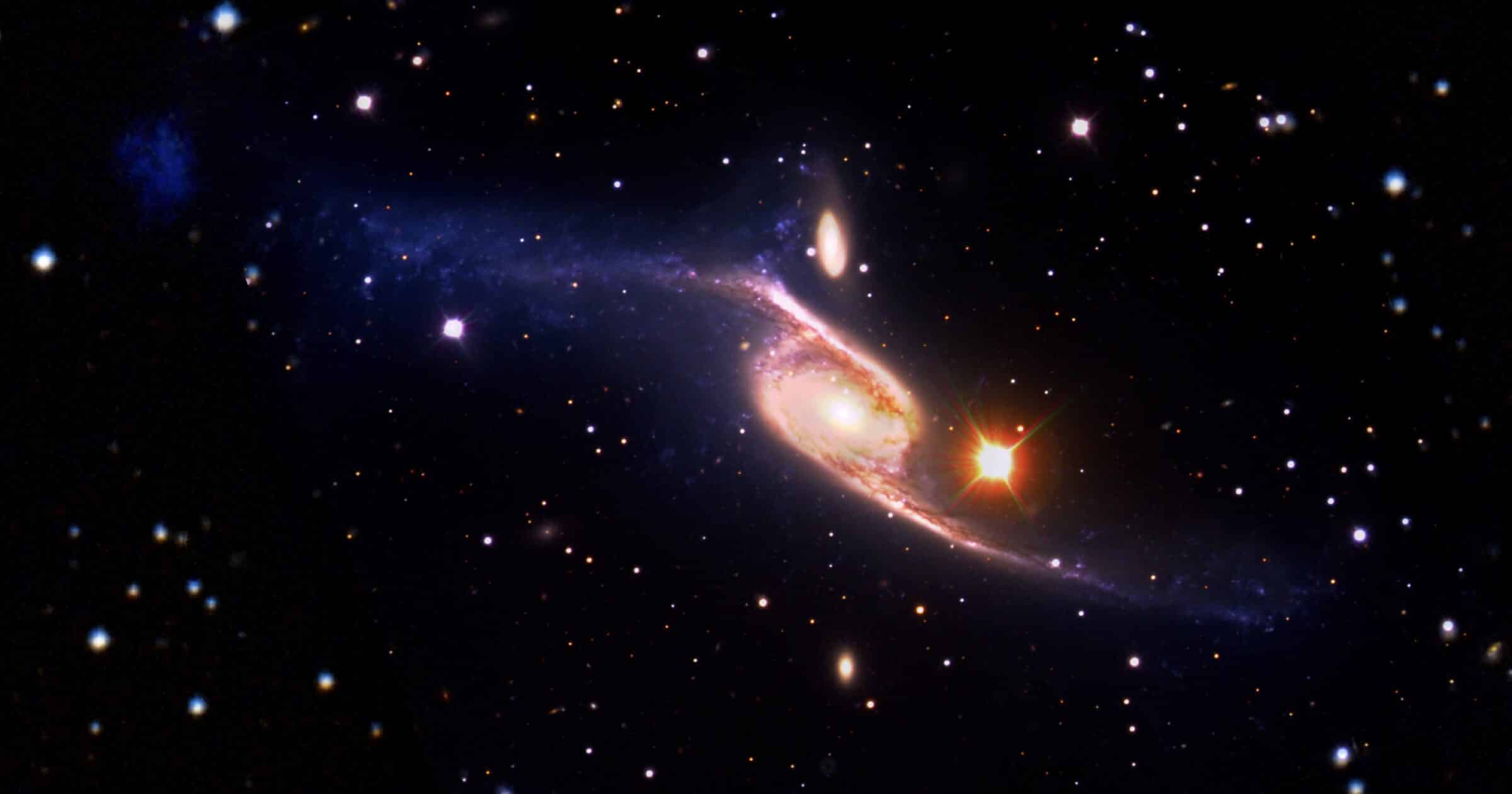
spiral galaxy NGC 6872
Photo: Spiral galaxy NGC 6872, by NASA/ESO/JPL-Caltech/DSS.
Latest

Watch: Here Are Several Minutes of Design-Detection Brainstorming with Lex Fridman

Categories
Astronomy
Intelligent Design
Physical Sciences
Physics
Share
Facebook
Twitter/X
LinkedIn
Flipboard
Print
Email

I listened to an interview by Lex Fridman yesterday while out buying Valentine’s Day chocolates for the family.* He’s talking with Columbia University astronomer David Kipping:

Click here to display content from YouTube.
Learn more in YouTube’s privacy policy.

The design-detection brainstorming continues from this point in the interview for another several minutes. Watch and see if the logic sounds familiar. 😉

Now, if you need a sobering counterpoint, a slap in the cheek right back to the challenges we face in the ID community, start a few minutes earlier, here:

Click here to display content from YouTube.
Learn more in YouTube’s privacy policy.

I’ve never heard such a concise account of the principal methodological difficulties of inferring an unconstrained intelligence as a TESTABLE cause:

  1. Unbounded explanatory capability
  2. Unbounded avoidance capacity
  3. Incomplete physical understanding of the universe

Kipping actually uses the phrase “God of the gaps” in this third context.

But, to end on an encouraging note: after all this bad news about the problems with inferring intelligent causes, that’s exactly what Kipping and Fridman do AFTER the bad news. Namely, discuss how design (intelligent causation) could be detected. 

The fact is, that ancient puzzle is JUST TOO INTERESTING to let the difficulties stand in the way.

*Belgian Chocolatier Piron of Evanston, Illinois. These chocolates should be illegal, really. SO creamy and delicious. Don’t blame me if you develop an addiction. You were warned.

Paul Nelson

Senior Fellow, Center for Science and Culture
Paul A. Nelson is currently a Senior Fellow of Discovery Institute’s Center for Science and Culture and Adjunct Professor in the Master of Arts Program in Science & Religion at Biola University. He is a philosopher of biology who has been involved in the intelligent design debate internationally for three decades. His grandfather, Byron C. Nelson (1893-1972), a theologian and author, was an influential mid-20th century dissenter from Darwinian evolution. After Paul received his BA in philosophy with a minor in evolutionary biology from the University of Pittsburgh, he entered the University of Chicago, where he received his PhD (1998) in the philosophy of biology and evolutionary theory.
Benefiting from Science & Culture Today?
Support the Center for Science and Culture and ensure that we can continue to publish counter-cultural commentary and original reporting and analysis on scientific research, evolution, neuroscience, bioethics, and intelligent design.

© Discovery Institute