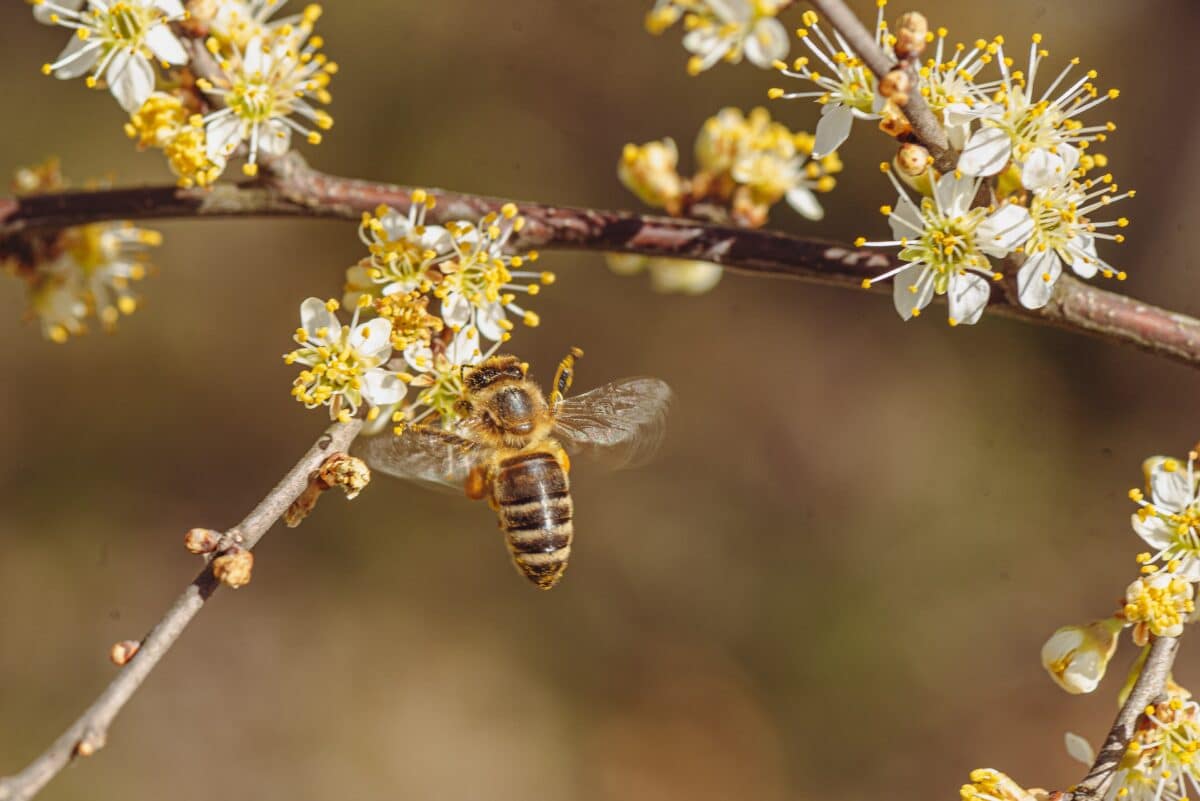
20250412Apismellifera01 Type post Author Eric Cassell Date February 17, 2026 CategoriesIntelligent DesignZoology Tagged , animal behavior, Apis mellifera, bees, behavior, behavioral decisions, brain, communication systems, decision-making, depth, engineering, flower print, flowers, food, foraging, honeybees, intelligent design, Lars Chittka, learning, mantids, memory, mimicry, nectar, noise, pollen, predators, primates, psychology, punishment, quinine, Radar, reward, signal-to-noise ratio, spiders, sugar, trade-offs, University of Sheffield, vegetation, World War II Sophistication of Bee Decision-Making Is a Mystery, Unless Design Hypothesis Is Permitted Eric Cassell February 17, 2026 Intelligent Design, Zoology 8 Distinguishing a real flower from a flower print on a woman’s dress can come into play, possibly requiring some experimental probing. Read More ›
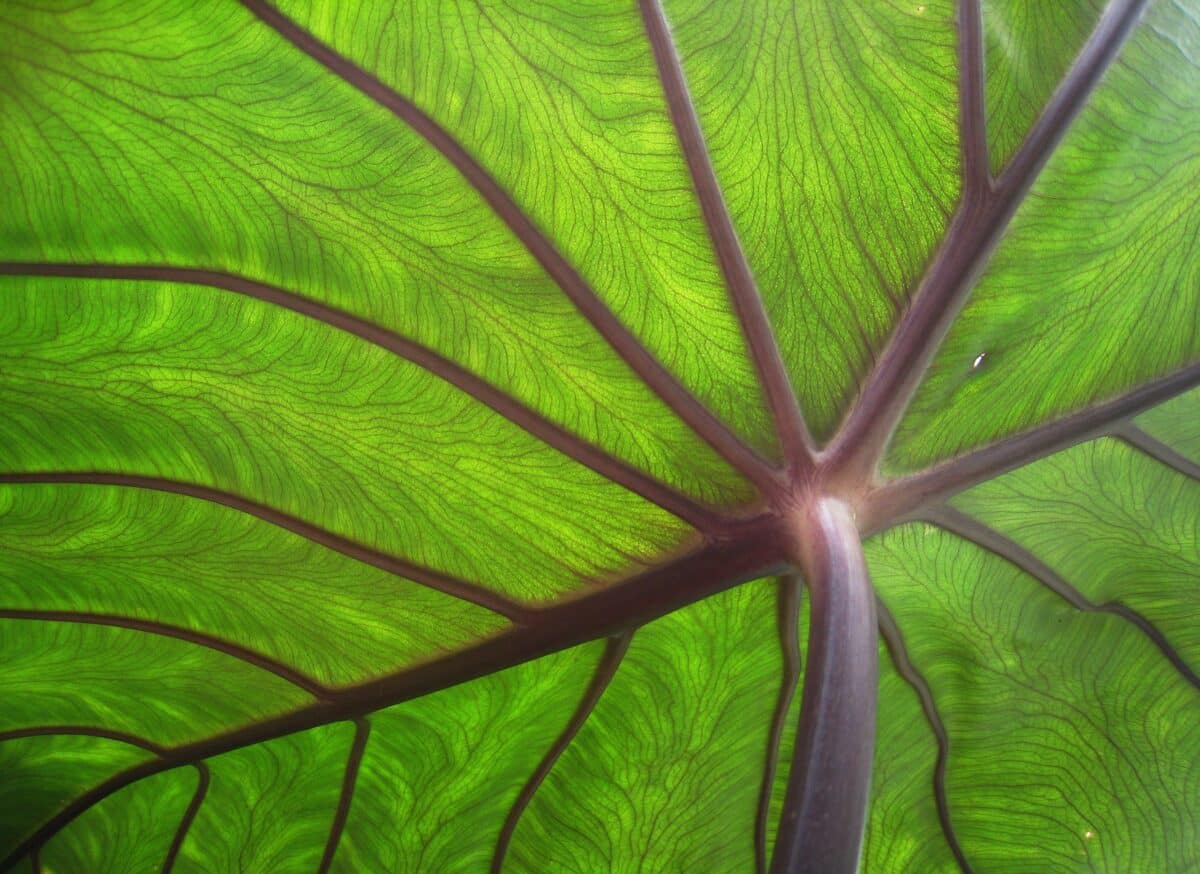
Taroleafundersidebacklitbysun-edit Type post Author David Klinghoffer Date July 21, 2025 CategoriesBotanyEvolutionIntelligent Design Tagged , atmosphere, biochemistry, Book of Nature, creatures, Dallas Conference on Science and Faith, Daniel Reeves, divine design, earth, Emily Reeves, engineering, enzymes, hydrogen, intelligent design, oxygen, photosynthesis, Photosystem II, plants, Robert Boyle, Sabbath, scientists, solar panels, vegetation, wisdom Green Creatures: The Intelligent Design of Plants David Klinghoffer July 21, 2025 Botany, Evolution, Intelligent Design 2 Emily Reeves notes the operation of photosystem II, “the only enzyme in nature that is known to be able to split a water molecule into hydrogen and oxygen." Read More ›
Type post Author David Klinghoffer Date April 28, 2016 CategoriesEvolutionZoology Tagged , __tedited, Africa, biodiversity, biogeography, biological origins, circular causality, evolutionary assumptions, foxes, land mammals, monkeys, navigation, ocean, plausibility, rafting, rafting animals, scientific reasoning, Sherlock Holmes, South America, vegetation The Curious Incident of the Non-Rafting Foxes David Klinghoffer April 28, 2016 Evolution, Zoology 8 It should be the facts that drive startling conclusions, not the theory that's supposed to explain the facts. Read More ›