
Science and Culture Today Discovering Design in Nature
Topic

The Privileged Planet

Water_drop_001
Photo credit: José Manuel Suárez, CC BY 2.0 <https://creativecommons.org/licenses/by/2.0>, via Wikimedia Commons.

Weird Water and Its Role in the Rise of Chemistry

Water has been crucial in the transition from alchemy to the science of chemistry. Read More ›
CubeSats
Photo: CubeSats, by NASA/Tracy Dyson.

New Evidence that Supports the Privileged Planet Thesis
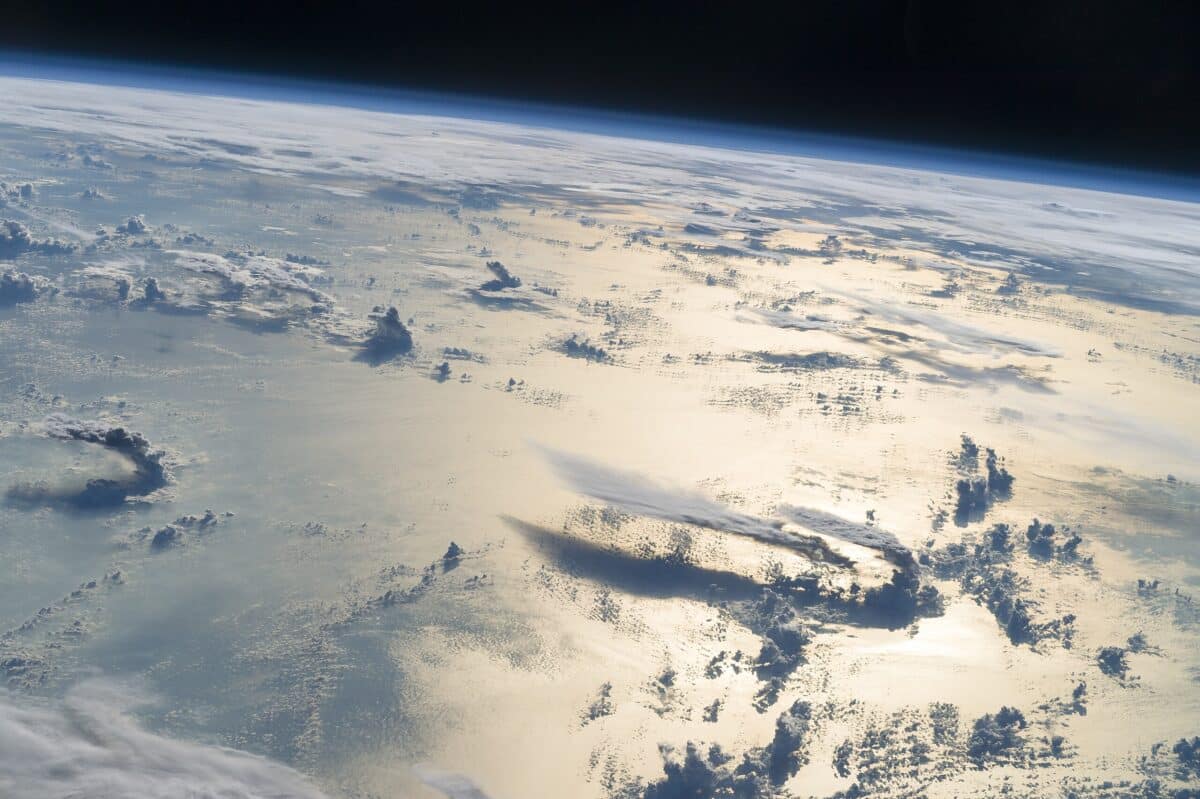
A newly revised, rewritten, and updated book refutes the materialistic assumptions of the Copernican principle. Read More ›
Cloudscape_Over_the_Philippine_Sea
Photo credit: NASA, Public domain, via Wikimedia Commons.

Robin Collins’s “Fine-Tuning for Discoverability” Argument

In November 2000 we each presented at the “Science and Evidence for Design in the Universe” symposium at Yale University. Read More ›
Edouard_Manet_-_Basket_of_Fruit_-_Google_Art_Project
Image credit: Édouard Manet, Public domain, via Wikimedia Commons.

Fruit Is Designed for Life

This type of multi-purpose optimization speaks more of intelligent foresight and design than random adaptation.  Read More ›
Aurora
Photo: Aurora as seen from the International Space Station, via NASA/Shane Kimbrough.

Our Purposeless Planet? Jay Richards Tackles the Copernican Principle
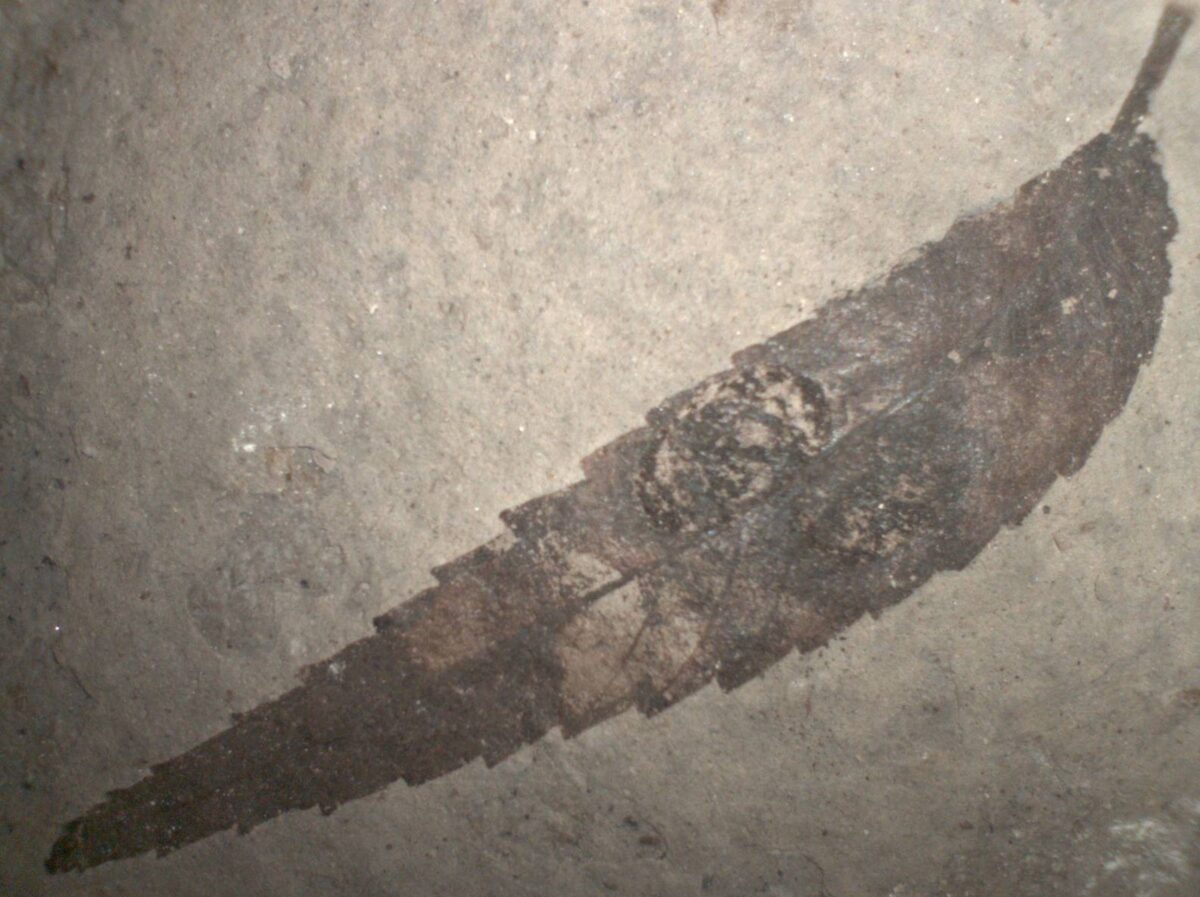
Not only is planet Earth well suited for advanced life like ourselves, it’s also finely tuned for scientific discovery. Read More ›
fossil leaf
Photo credit: Guillermo Gonzalez.

Plate Tectonics and Scientific Discovery

Plate tectonics is important for advanced life in multiple ways and planets with plate tectonics are very rare. Read More ›
Eclipse_Progression_from_Batam,_Indonesia
Photo credit: Wibu lu, CC BY-SA 4.0 <https://creativecommons.org/licenses/by-sa/4.0>, via Wikimedia Commons.

Solar Eclipses May Have Spurred Both Scientific Curiosity and Economic Development

A study explores the relationship between curiosity, triggered by natural phenomena such as solar eclipses, and economic development in pre-modern societies. Read More ›
rainbow
Photo credit: Ted.ns, CC BY-SA 4.0 <https://creativecommons.org/licenses/by-sa/4.0>, via Wikimedia Commons.

Beauty and Our Privileged Planet

As Jay Richards and I argue in our book, nature seems designed in such a way that the most habitable places are the best places to do science. Read More ›
Nicolaus_Copernicus_Monument_in_Toruń_(Thorn)
Photo: Copernicus, by Pudelek, CC BY-SA 4.0 <https://creativecommons.org/licenses/by-sa/4.0>, via Wikimedia Commons.

Jay Richards: Toppling a Myth of Human Insignificance

It was 19th-century materialism that needed the so-called Copernican demotion, for ideological reasons, and the historians of the time obediently invented it. Read More ›
George_William_Joy_-_The_Bayswater_Omnibus
Image: The Bayswater Omnibus.jpg, by George William Joy, via Wikimedia Commons.

Jay Richards: The 1890s Were a Much Better Time to Be an Atheist

Yes, ideas of a multiverse are taken “extremely seriously.” And those are obviously intended to counter the theistic implications of the familiar cosmology. Read More ›

© Discovery Institute