







































Science and Culture Today Discovering Design in Nature
Topic

photosynthesis

Pacific Ocean
Photo: Pacific Ocean, by NASA, Apollo 11, Public domain, via Wikimedia Commons.

How the “Other” ATP Synthase Saves the Planet

A lesser-known rotary engine within cells is responsible for a substantial portion of gases and nutrients that sustain the biosphere. Read More ›
Chlamydomonas reinhardtii
Photo: Chlamydomonas reinhardtii, by Dartmouth Electron Microscope Facility, Dartmouth College, Public domain, via Wikimedia Commons.

A Biochemical Icon of Intelligent Design, ATP Synthase Does More than Spin
As super-resolution imaging improves, the world’s smallest rotary motor continues to amaze. Read More ›
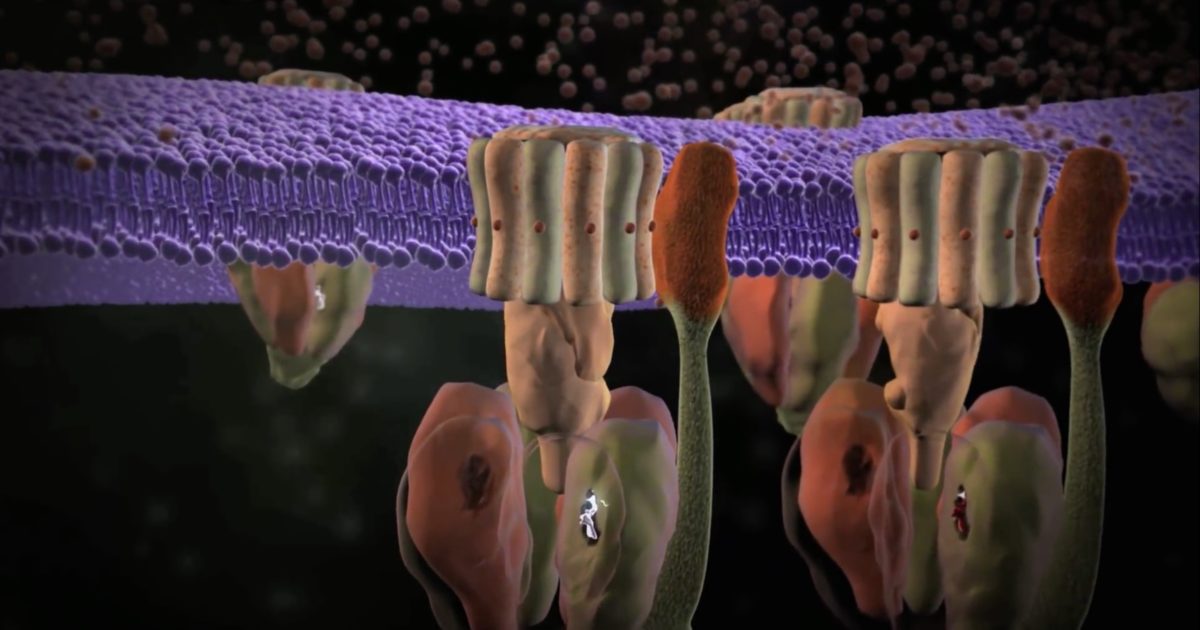
ATP Synthase
Image: A scene from "Molecular Machines — ATP Synthase: The Power Plant of the Cell," via Discovery Institute.

If Nanomotors Are Designed, Why Not Biomotors?
Physical chemists are justifiably proud of their tiny motors that do little more than spin. How can they say that much more complex motors in life evolved? Read More ›
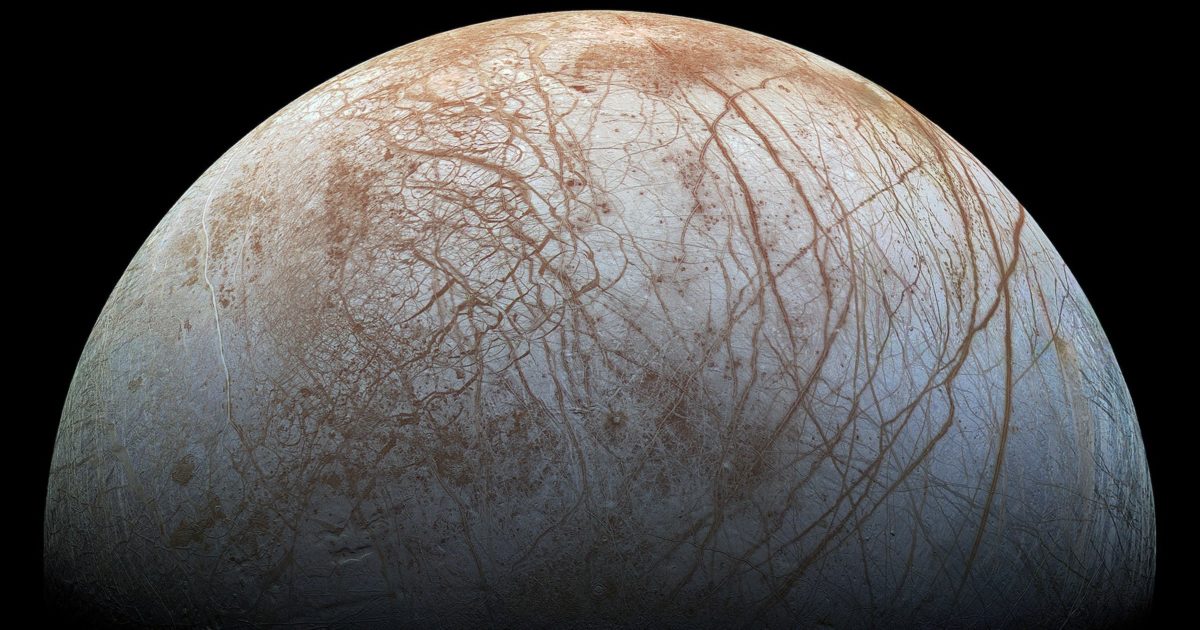
Europa
Photo credit: NASA / Jet Propulsion Lab-Caltech / SETI Institute, Public domain, via Wikimedia Commons.

Why Scientists Think There Could Be Life on Europa

Jupiter’s moon Europa, somewhat smaller than Earth’s moon, may have surface water and organic chemicals, researchers say. Read More ›
Top_of_Atmosphere 2
Photo: Earth's atmosphere, via Wikimedia Commons.

Earth’s Atmosphere Demonstrates Stunning Biocentric Fine-Tuning

For photosynthesis to proceed on a planet like Earth, sunlight (visual light) must penetrate the atmosphere all the way to the ground. Read More ›
redwoods
Photo credit: David Coppedge.

Redwoods, Grasshoppers: New Designs in Well-Studied Species

If redwoods are a byword for great stature, grasshoppers represent the opposite. And what insect could be more common or familiar? Read More ›
Cyanobacteria
Photo: Prochlorococcus, which lives in the ocean, may be the most abundant species of life on earth, via Wikimedia Commons.

“Primitive”? Lowly Cyanobacteria Boast Superpowers

Prochlorococcus, which lives in the ocean, may be the most abundant species of life on earth. It produces about 20 percent of the oxygen we breathe. Read More ›
chloroplasts
Photo: Chloroplasts, by Juan Carlos Fonseca Mata, CC BY-SA 4.0 <https://creativecommons.org/licenses/by-sa/4.0>, via Wikimedia Commons.

Nature’s Energy Mining Relies on Molecular Design

Plants mine energy from a primary source (sun) and transform that energy into a secondary source (sugar). Read More ›
Green Energy 2
Photo credit: Seagul, via Pixabay.

Why Intelligent Design Can Help Develop Clean, Green Energy Solutions
Photosynthesis has been criticized as inefficient. Why? Because it is assumed to be the product of a mindless evolutionary process. Read More ›
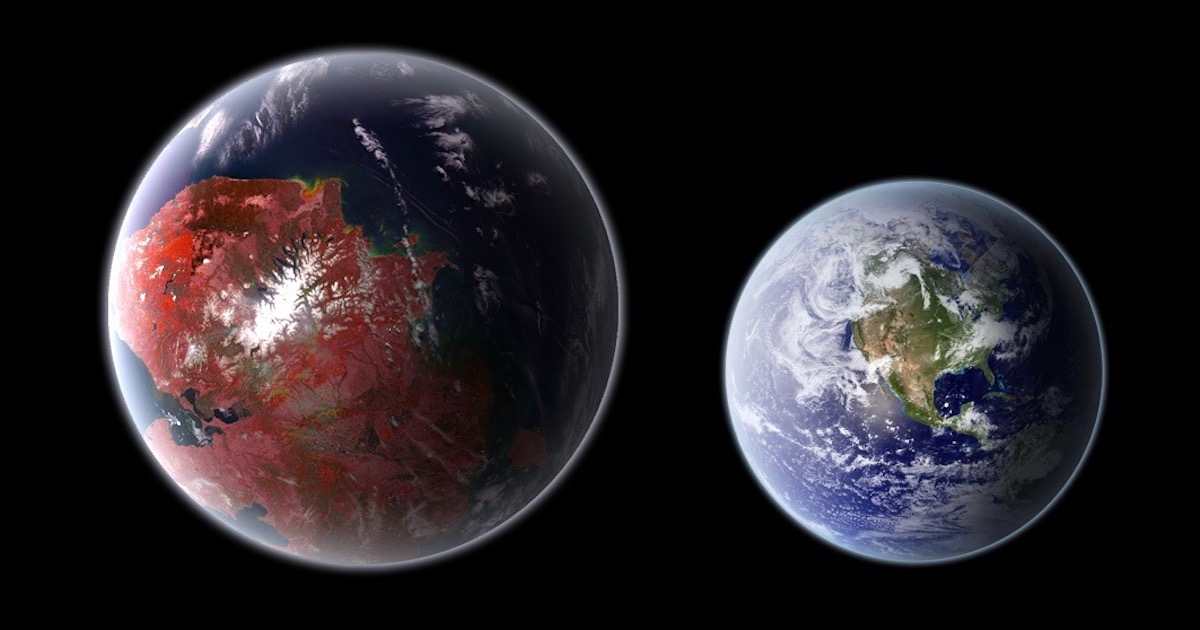
Kepler-442b
Image: Kepler-442b (per the artist's imagination) along side Earth, by Ph03nix1986, CC BY-SA 4.0 <https://creativecommons.org/licenses/by-sa/4.0>, via Wikimedia Commons.

Study: Planets Capable of Sustaining Photosynthesis Are Extremely Rare

So how did the paper determine that photosynthesis has an “overall simplicity,” despite the complexity just described? Read More ›

© Discovery Institute