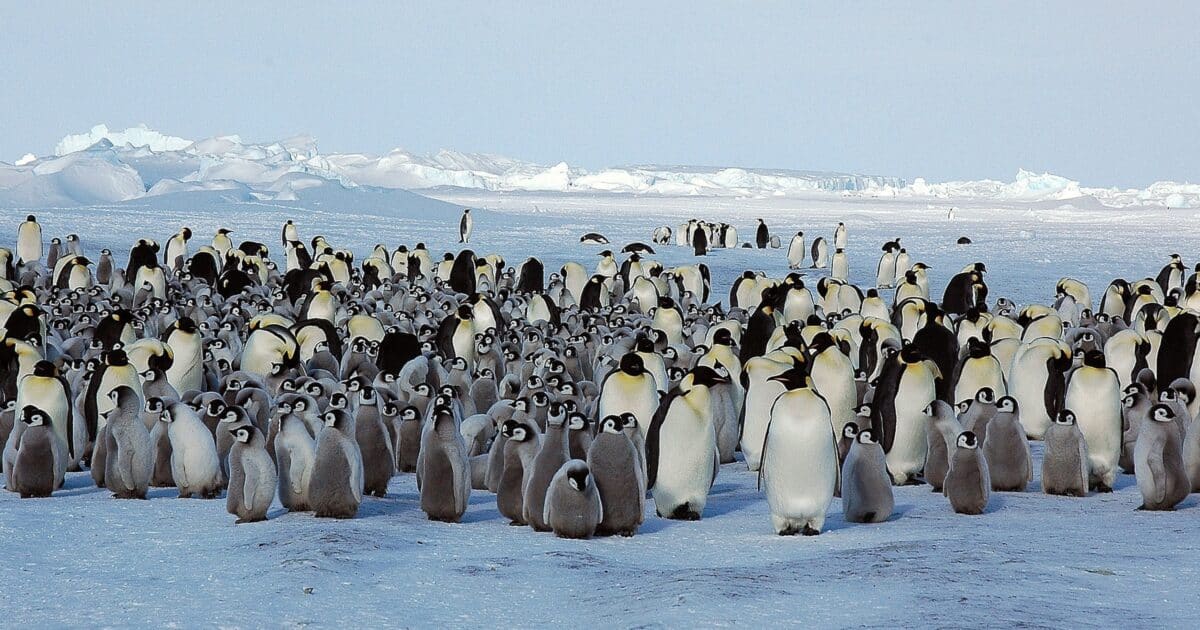
emperor penguins Type post Author Daniel Witt Date April 10, 2024 CategoriesBiologyEvolutionIntelligent Design Tagged , Bertrand Russell, chromosomes, Darwin's Black Box, Darwinian theory, Darwinism, DNA, eukaryotes, evolution, foresight, genes, genetic code, intelligent design, Michael Behe, multicellularity, natural selection, No Free Lunch, Peter Corning, proteins, random variation, RNA, sexual reproduction, synergy, The Design Inference, turtles, William A. Dembski Synergies All the Way Down Daniel Witt April 10, 2024 Biology, Evolution, Intelligent Design 7 Examples of synergy cited by Peter Corning include multicellularity; sexual reproduction; emperor penguins huddling together for warmth. Read More ›
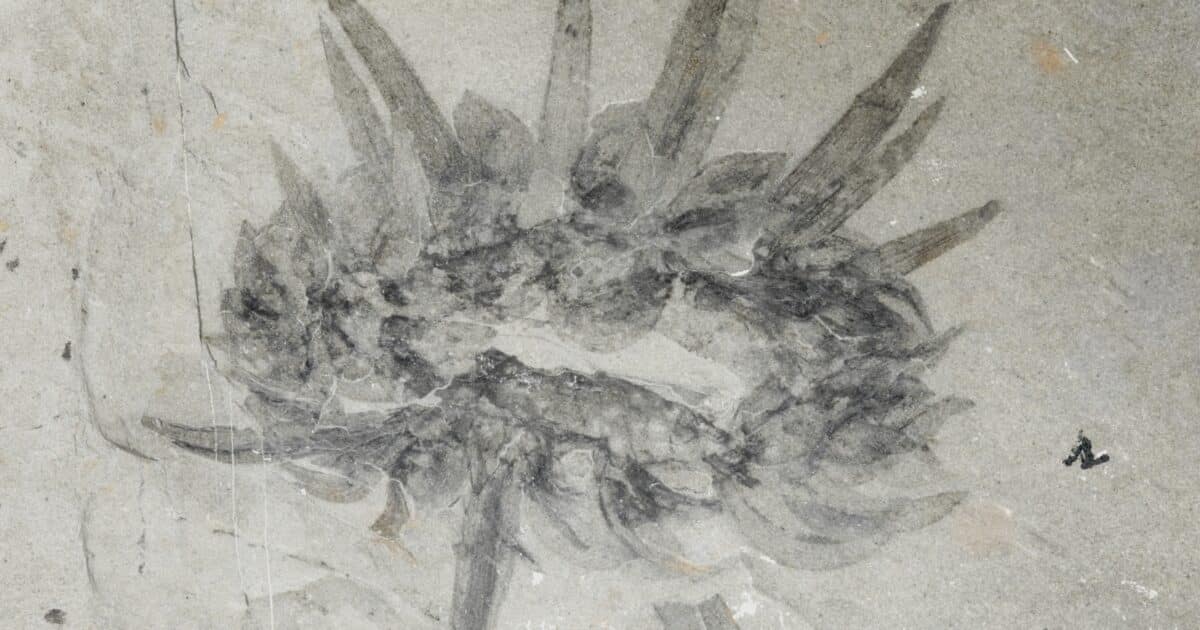
Wiwaxia Type post Author Daniel Witt Date April 4, 2024 CategoriesEvolutionIntelligent Design Tagged , chickens, eggs, evolution, Evolution “On Purpose”, First Cause, intelligent design, living systems, Michael Behe, MIT Press, natural genetic engineering, Peter Corning, Platonic forms, teleonomy, William A. Dembski Design Without a Designer? New Book Says Yes! Daniel Witt April 4, 2024 Evolution, Intelligent Design 6 So, does the teleonomic explanation hold up? Well, we have to ask: where does “teleonomy” come from? Why does it exist? Read More ›