





































Science and Culture Today Discovering Design in Nature
Topic

observation

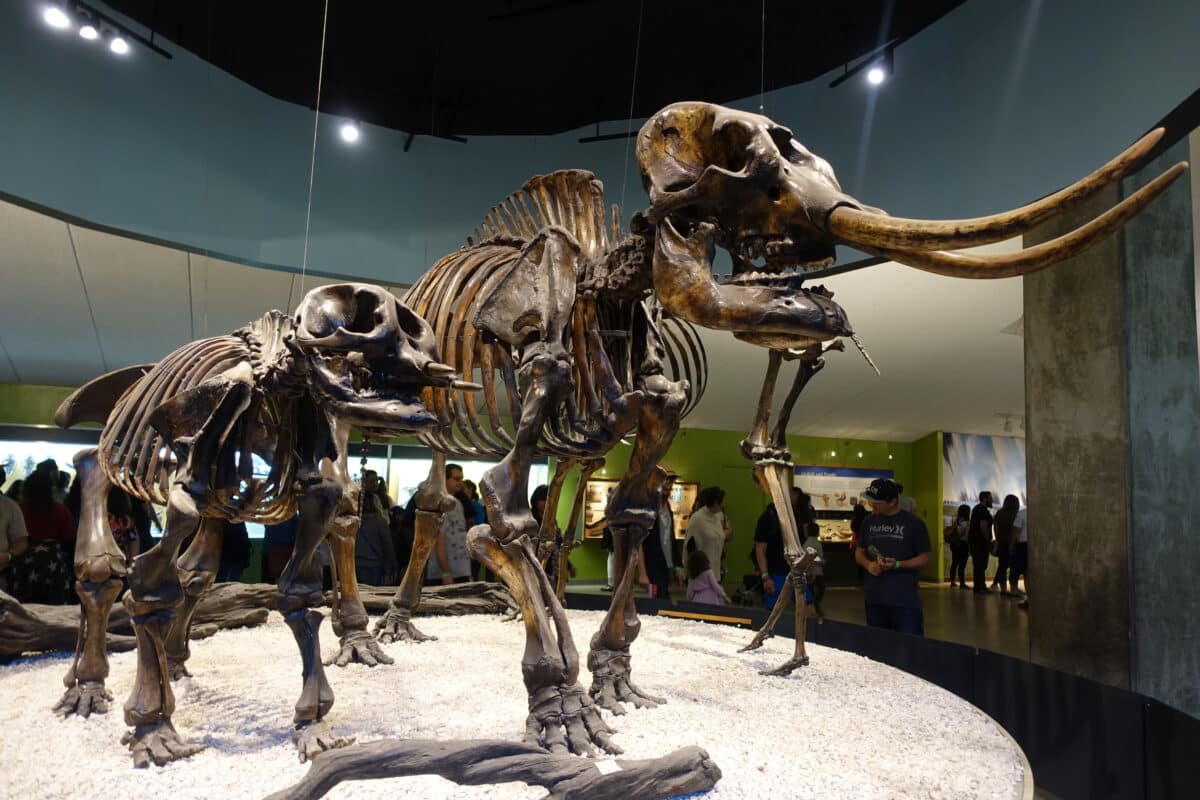
American_mastodon_with_calf
Photo: American mastodons, by Jeremy Thompson, CC BY 2.0 <https://creativecommons.org/licenses/by/2.0>, via Wikimedia Commons.

The Metaphysics of Irreducible Complexity

The vastness of life’s complexity is no longer unfathomable when seen through the light of purpose. Read More ›
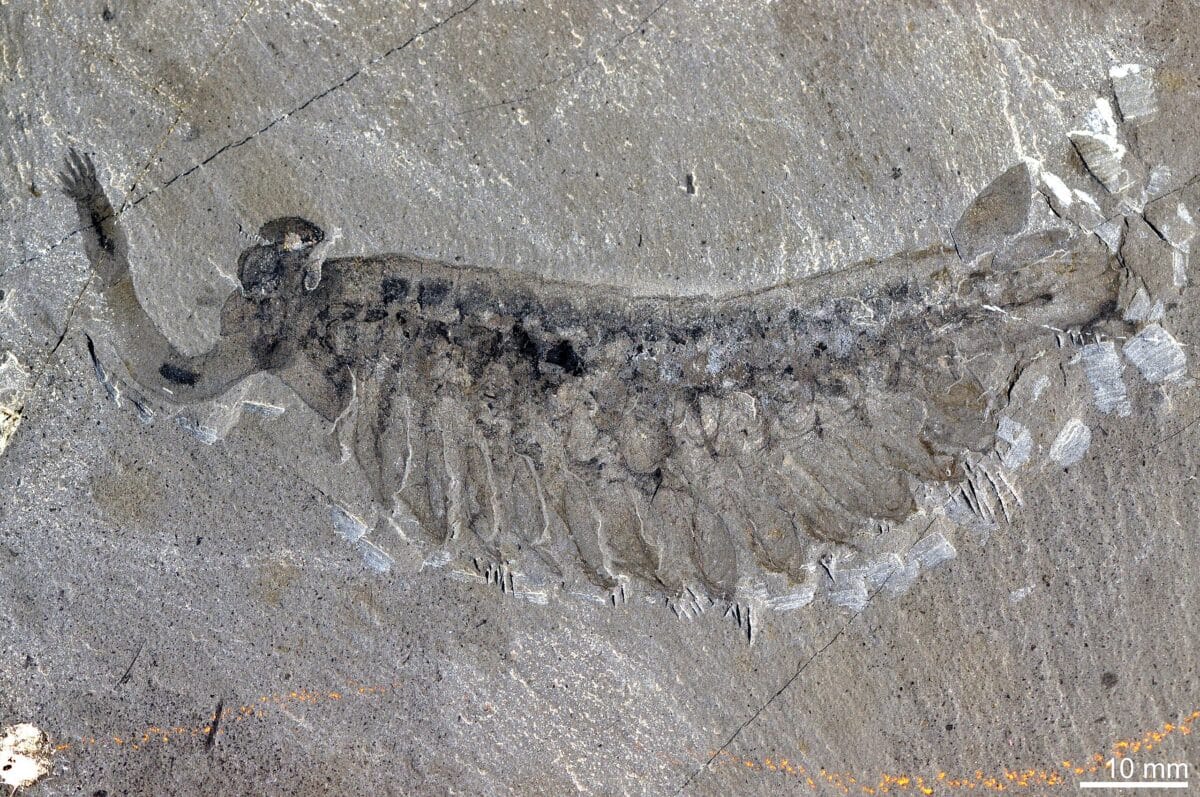
USNM_PAL_57683_Opabinia_regalis_Image_3
Photo: Opabinia regalis, an animal from the Cambrian Explosion, by Han Zeng, CC0, via Wikimedia Commons.

Three Types of Science: Inferential Science

Kirk Durston explains how such reasoning can be used effectively as we consider the best explanation for the origin of biological information. Read More ›
Bijan Nemati
Image source: Discovery Institute.

Dallas Conference: Earth’s Outstanding Fitness for Life, and Its Implication for Intelligent Design
We can now begin to ask, and in future years continue to reassess, whether the special conditions the Earth satisfies are ubiquitous or unique. Read More ›
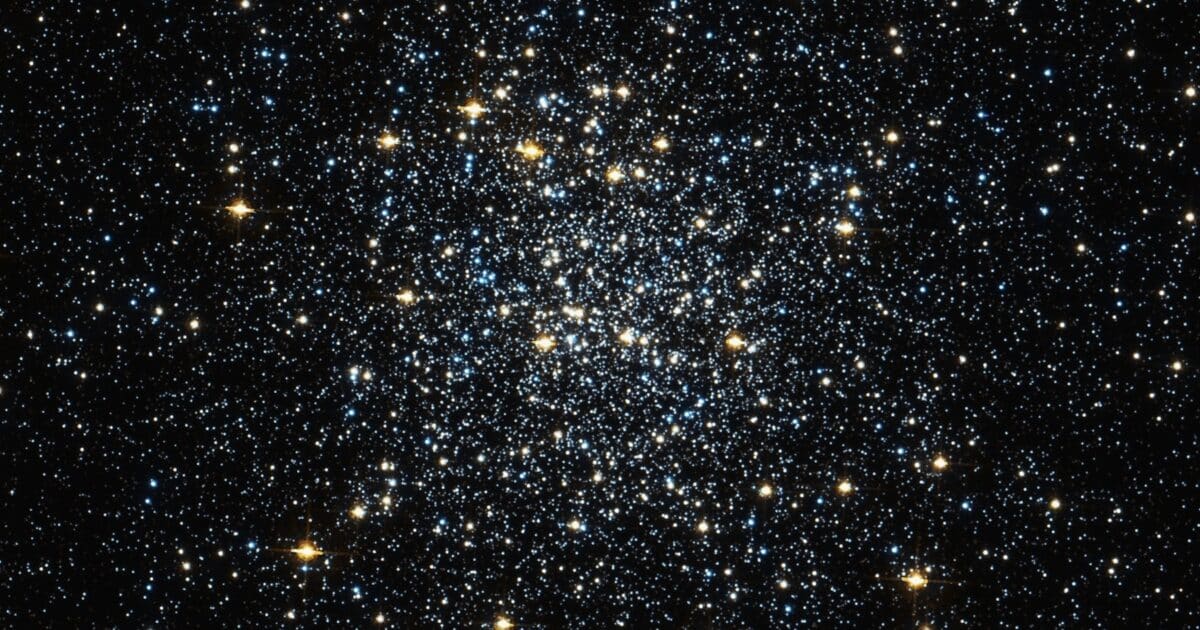
M92_Hubble_WikiSky
Photo: M92, by NASA, en:STScI, en:WikiSky, Public domain, via Wikimedia Commons.

The Big Bang Survives Two Tests

M92 is one of about 160 known globular star clusters in the Milky Way galaxy and is estimated to contain about 330,000 stars. Read More ›
Nobel Prize
Photo: Nobel Prize in Chemistry, by Adam Baker, via Flickr (cropped).

Physicalism Versus the Practice of Science

The idea that science has somehow shown the irrelevance of the mind to explaining behavior is seriously confused. Read More ›
quantum mechanics
Photo credit: Michael Dziedzic via Unsplash.

Can the Quantum Realm Explain Reality?

If we can uncover the smallest quantum particles in nature, will we have uncovered the fundamental secrets of reality? Read More ›
granules of urea
Photo: Granules of urea, by LHcheM, CC BY-SA 3.0 <https://creativecommons.org/licenses/by-sa/3.0>, via Wikimedia Commons.

Replacing Chemistry with Purpose

The core argument of neo-Darwinism is, simply, that evolution, and life on Earth, are the result of random, aka, purposeless chemical reactions. Read More ›
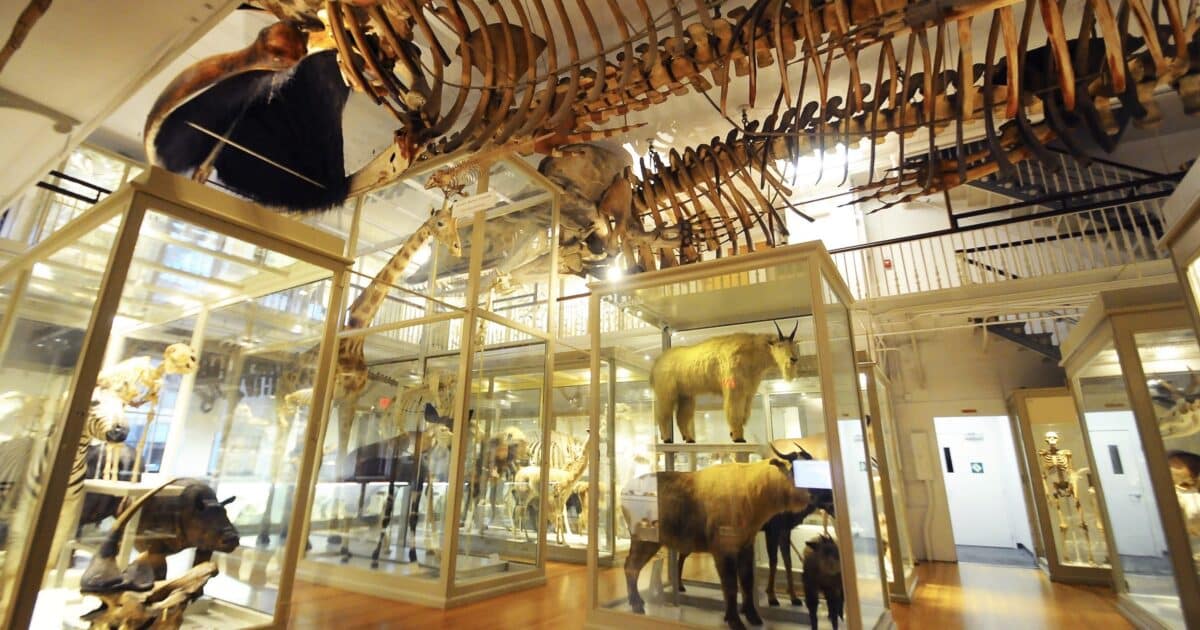
Harvard Museum of Natural History
Photo: Harvard Museum of Natural History, by Massachusetts Office Of Travel & Tourism, via Flickr (cropped).

Let’s Help Harvard Understand Intelligent Design
It was disappointing to see the inaccurate representation of ID, along with the poor scientific epistemology. Read More ›
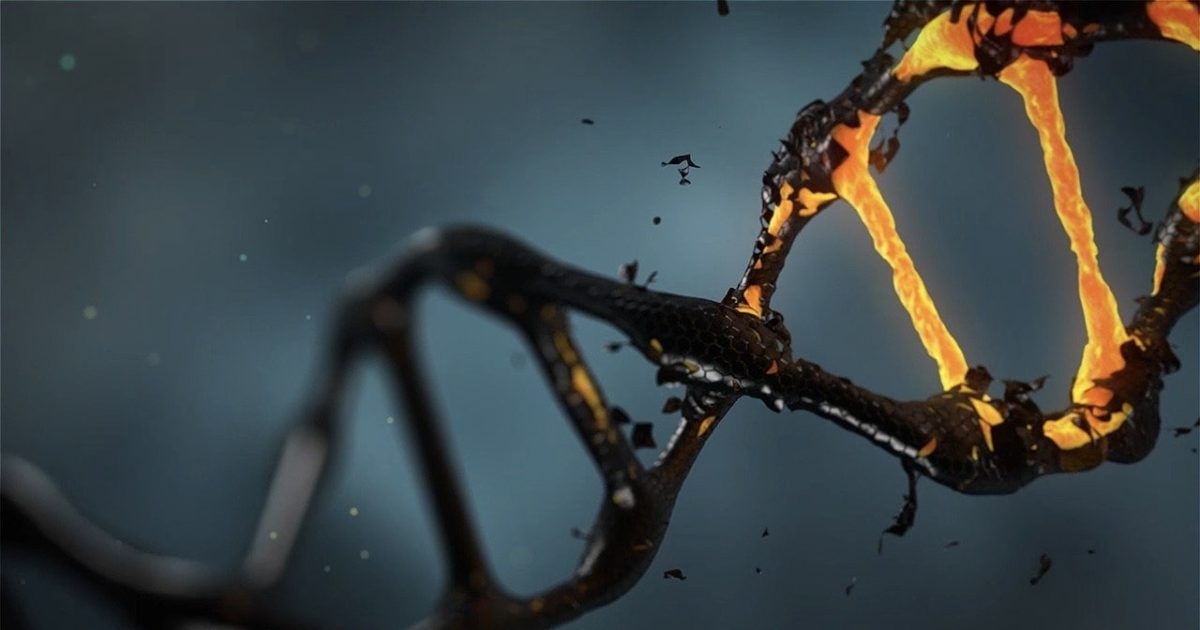
DNA
Image credit: lisichik, via Pixabay.

The Positive Case for Intelligent Design in Genetics
Functionality for junk DNA is prevalent, and was successfully predicted by intelligent design.  Read More ›
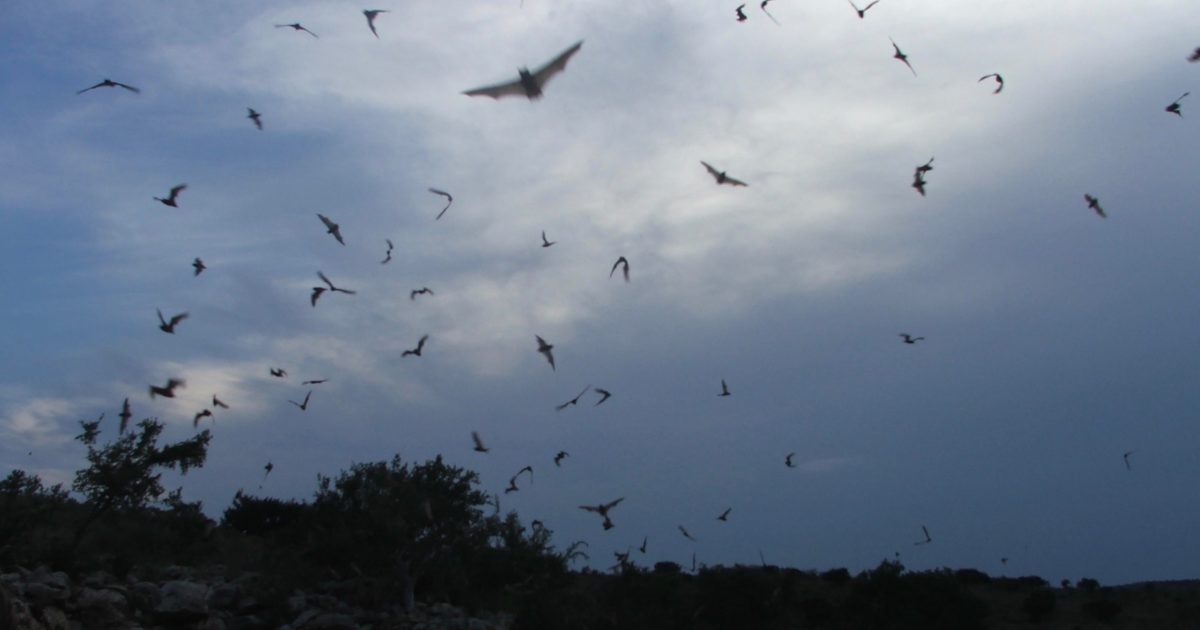
Mexican free-tailed bats
Photo: Mexican free-tailed bats, by dizfunkshinal, CC BY 2.0 <https://creativecommons.org/licenses/by/2.0>, via Wikimedia Commons.

The Positive Case for Intelligent Design in Systematics (the Relationships Between Organisms)

The re-usage of highly similar and complex parts in widely different organisms in non-treelike patterns is best explained by the action of an intelligent agent. Read More ›

© Discovery Institute