






































Science and Culture Today Discovering Design in Nature
Topic

natural genetic engineering

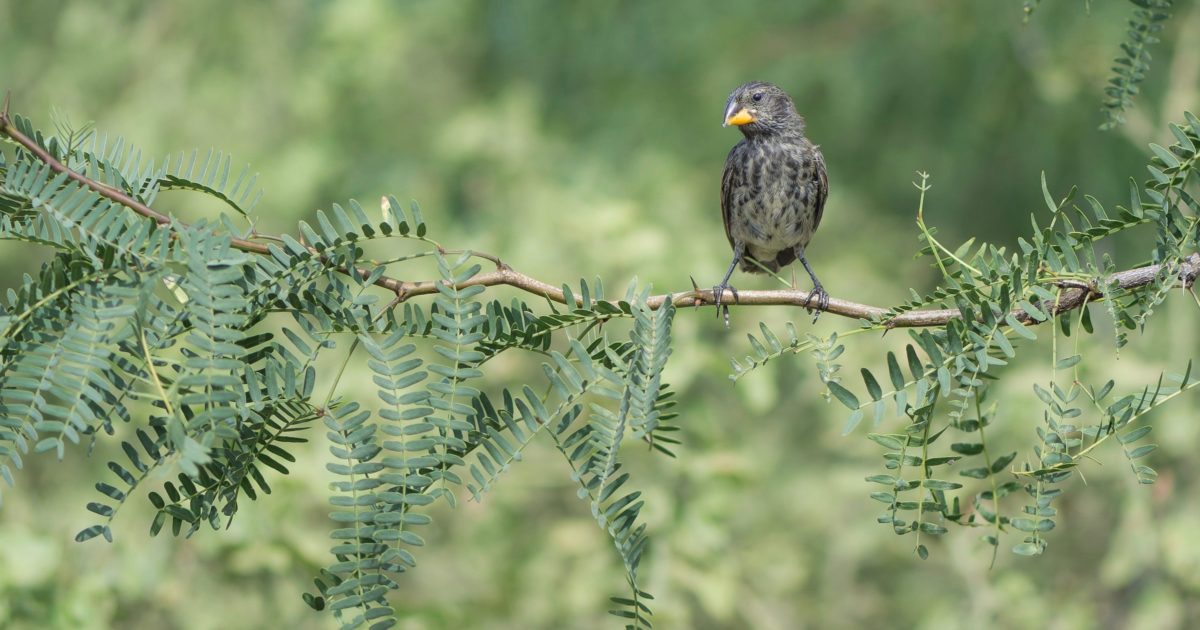
Galápagos finch
Photo: Galápagos finch, by kuhnmi, via Flickr.

Third Way Evolution and the Extended Evolutionary Synthesis

Things were peachy until the late 20th/early 21st century, when some biologists began to acknowledge that neo-Darwinism had a glaring explanatory deficit. Read More ›
Potemkin_Village
Photo credit: Ingolfson, Public domain, via Wikimedia Commons.

Darwinism Is a Potemkin Theory of Evolution
As with the legendary fake villages, evolutionary theory consists of a thin façade cloaking a lack of substance. Read More ›
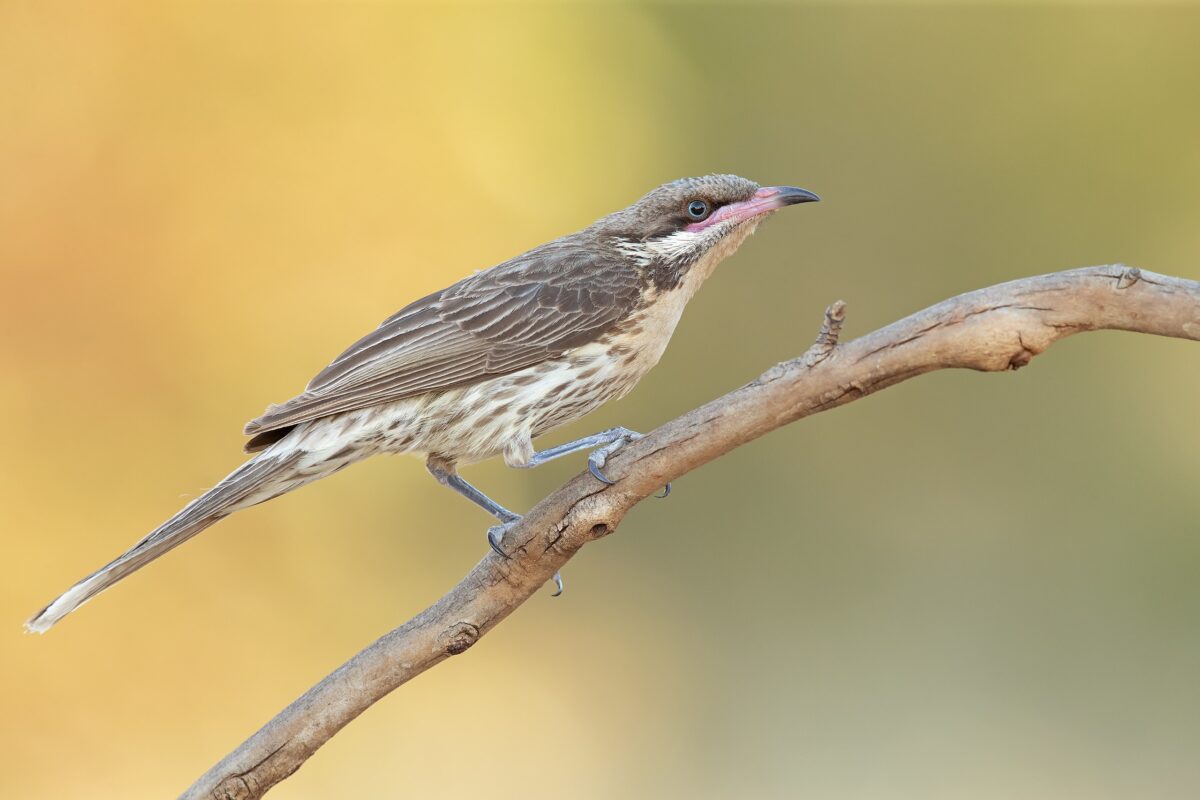
2560px-Spiny-cheeked_Honeyeater_3434_-_Patchewollock_Conservation_Reserve
Photo: Australian honeyeater, by JJ Harrison (https://www.jjharrison.com.au/), CC BY-SA 4.0 <https://creativecommons.org/licenses/by-sa/4.0>, via Wikimedia Commons.

Lee Spetner’s Nonrandom Evolutionary Hypothesis
We were saddened to learn of the passing of Lee Spetner, MIT-trained physicist. Dr. Spetner was 91 years old and lived in Jerusalem. Read More ›
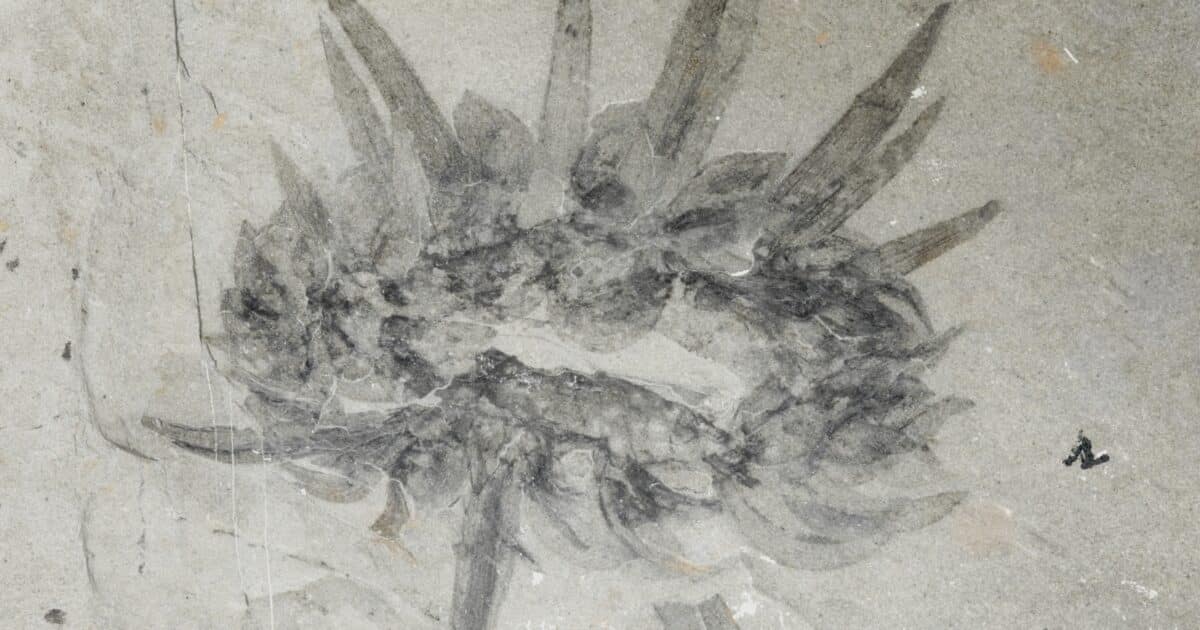
Wiwaxia
Photo: Wiwaxia, a creature from Cambrian Explosion, by Martin R. Smith, CC0, via Wikimedia Commons.

Design Without a Designer? New Book Says Yes!
So, does the teleonomic explanation hold up? Well, we have to ask: where does “teleonomy” come from? Why does it exist?  Read More ›
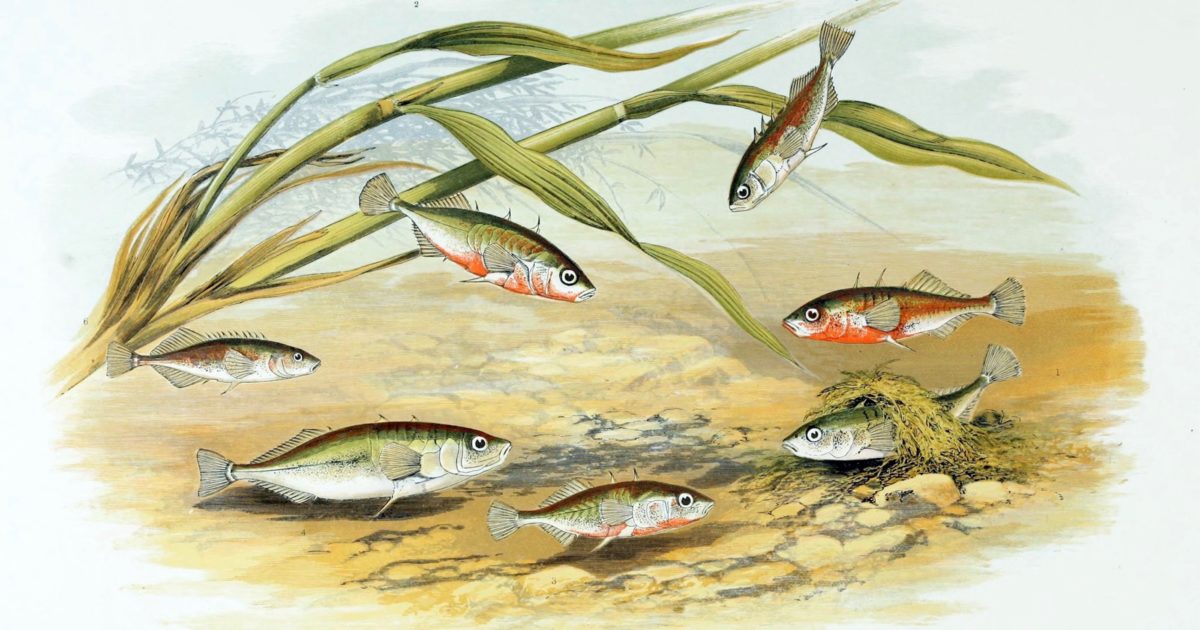
three-spine sticklebacks
Image: Three-spine stickleback, by Alexander Francis Lydon, Public domain, via Wikimedia Commons.

Studies on Stickleback Fish Further Validate Engineering Models for Adaptation

Cichlid and stickleback fish are two of the most iconic examples of adaption that biologists present as evidence for the plausibility of evolutionary processes. Read More ›
cichlid fish
cichlid fish
Photo: Cichlid fish, by Russell D. Fernald and Sabrina S. Burmeister / CC BY (https://creativecommons.org/licenses/by/2.5).

Studies on Cichlid Fish Demonstrate the Predictive Power of Engineering Models for Adaptation
Cichlid variation do not primarily originate from random mutations but from engineered systems. Read More ›
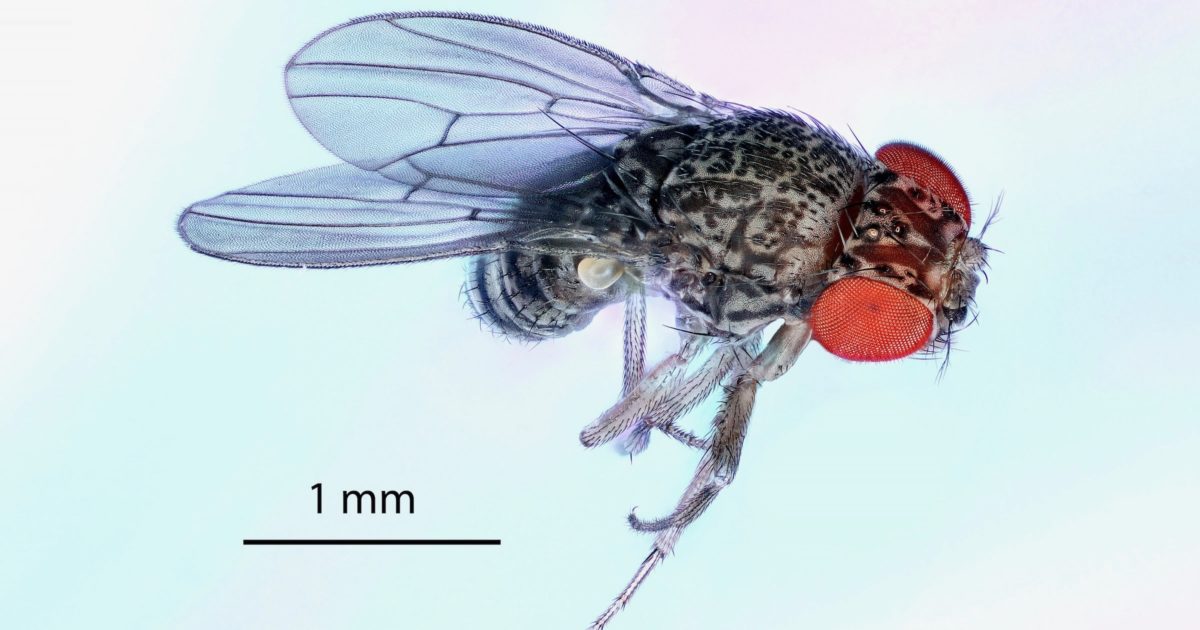
fruit fly
Photo: A fruit fly, by Macroscopic Solutions, via Flickr.

Studies on Insect Wings Validate Engineering Models for Adaptation
The “long-winged” phenotype is generated if the environmental conditions deteriorate due to reduced food supply or overpopulation. Read More ›
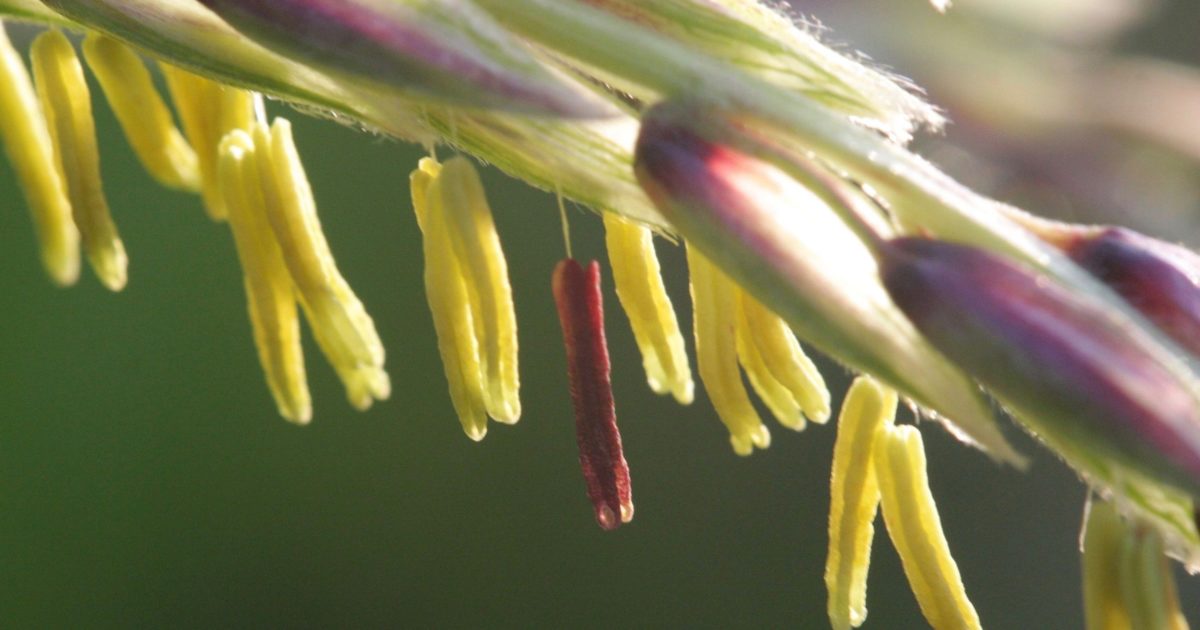
maize

Nearly All of Evolution Is Best Explained by Engineering

Transposable elements modify gene regulation in maize to confer drought tolerance, alter flowering time, and enable plants to grow in toxic aluminum soils. Read More ›
Galápagos finch
Photo: Galápagos finch, by kuhnmi, via Flickr.

Engineering Better Explains Adaptation than Evolutionary Theory

The genetic variation in any species is confined to a limited set of variables such as a finch beak’s thickness. Read More ›
Paul_Davies_2016

Hey, Paul Davies — Your ID Is Showing

No better advertisements for intelligent design exist than works written by establishment scientists that unintentionally make design arguments. Read More ›

© Discovery Institute