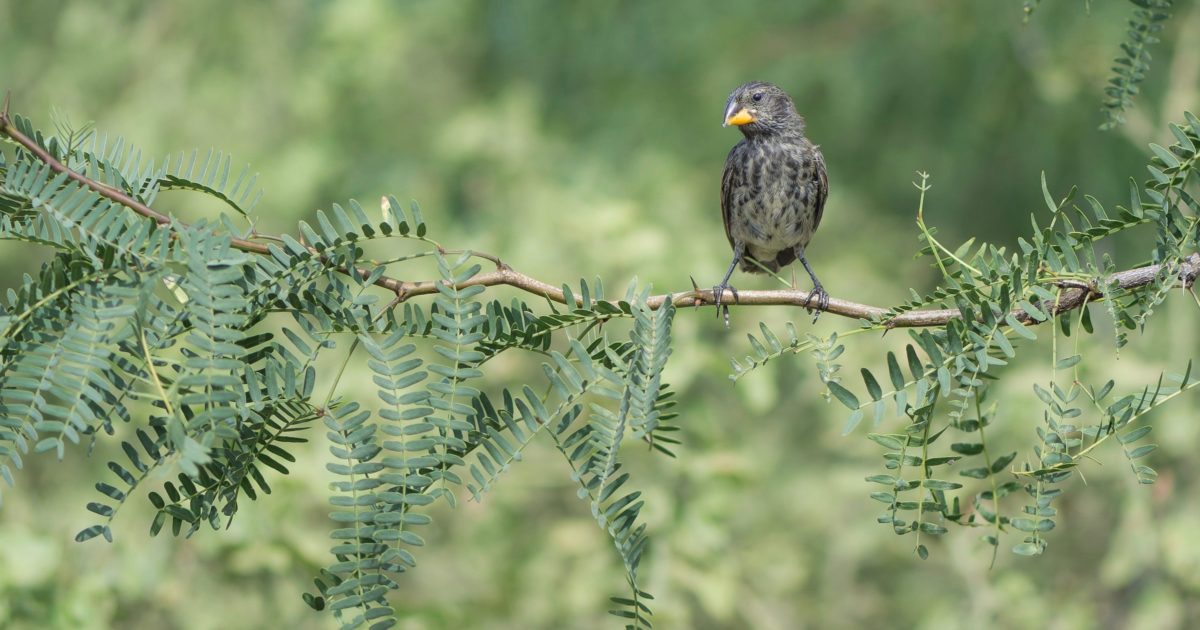
Galápagos finch Type post Author Casey Luskin Date December 11, 2025 CategoriesEvolutionIntelligent Design Tagged , complex biological features, Denis Noble, epigenetic change, evo-devo, evolution, Extended Evolutionary Synthesis, horizontal gene transfer, intelligent design, Lamarckian theory, macroevolution, microevolution, Modern Synthesis, natural genetic engineering, natural selection, Neo-Darwinism, neutral evolution, niche construction, On the Origin of Species, teleonomy, Third Way of Evolution, University of Chicago Third Way Evolution and the Extended Evolutionary Synthesis Casey Luskin December 11, 2025 Evolution, Intelligent Design 4 Things were peachy until the late 20th/early 21st century, when some biologists began to acknowledge that neo-Darwinism had a glaring explanatory deficit. Read More ›
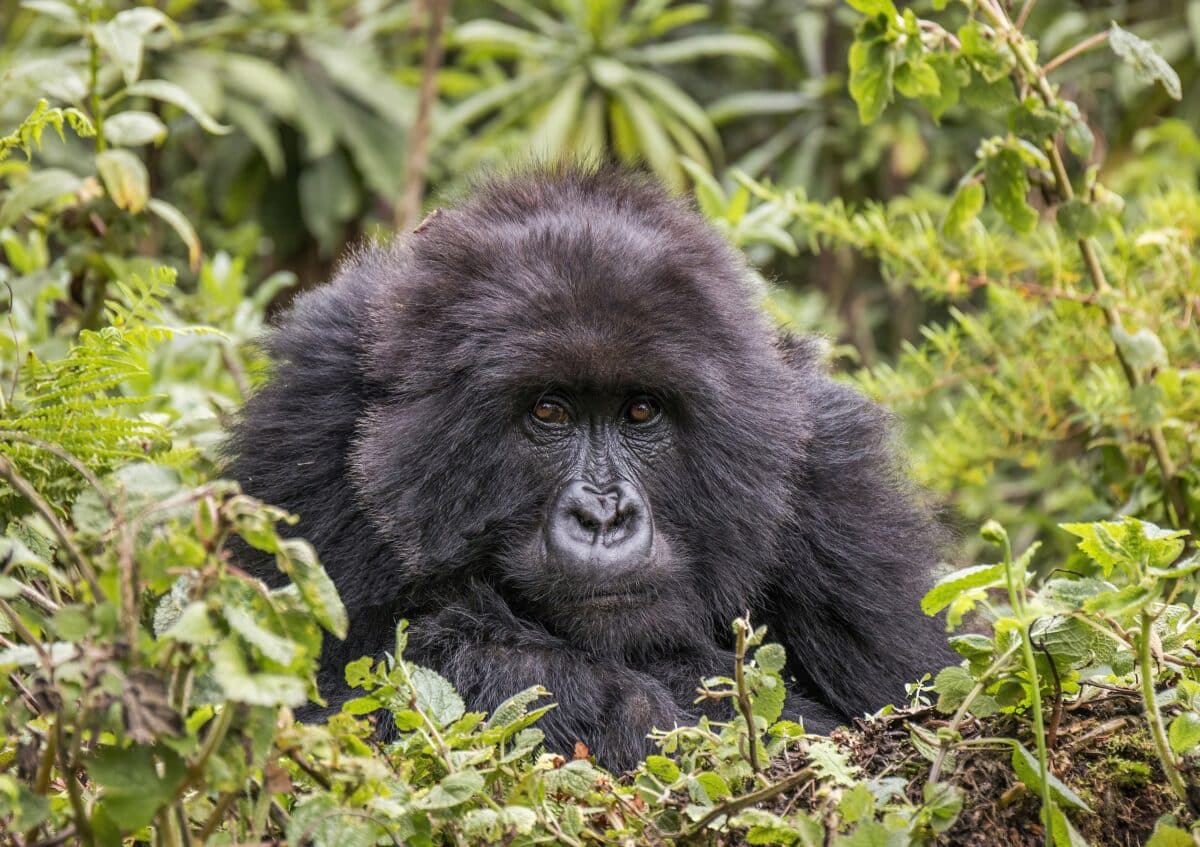
Mountain_gorilla_(Gorilla_beringei_beringei)_female_2 Type post Author Daniel Witt Date August 15, 2024 CategoriesEvolutionIntelligent DesignPhilosophy Tagged , agency, Aristotle, C.S. Lewis, coevolution, evo-devo, hunter-gatherers, materialism, niche construction, Plato, self-organization, synergy, Systems Biology, teleonomy An Evolutionary Theorist Plays with Words; Let’s See How Far It Gets Him Daniel Witt August 15, 2024 Evolution, Intelligent Design, Philosophy 9 Francis Heylighen’s “ontology of relational agency” starts with an interesting observation. Read More ›
honeycreeper Type post Author Wolf-Ekkehard Lönnig Date January 11, 2019 CategoriesEvolutionIntelligent Design Tagged , __cedited, Cologne, complexity theory, Darwin Devolves, Darwinists, DNA, evo-devo, evolution, First Rule of Adaptive Evolution, Irreducible Complexity, Matti Leisola, Max Planck Institute for Plant Breeding Research, Michael Behe, multiverse theory, natural genetic engineering, niche construction, plagiarism, Richard Lenski, The Quarterly Review of Biology Behe’s New Book, Darwin Devolves — Stunning and Absolutely Convincing Wolf-Ekkehard Lönnig January 11, 2019 Evolution, Intelligent Design 6 I recently had a lively conversation with a former colleague at the Max Planck Institute for Plant Breeding Research in Cologne. Read More ›