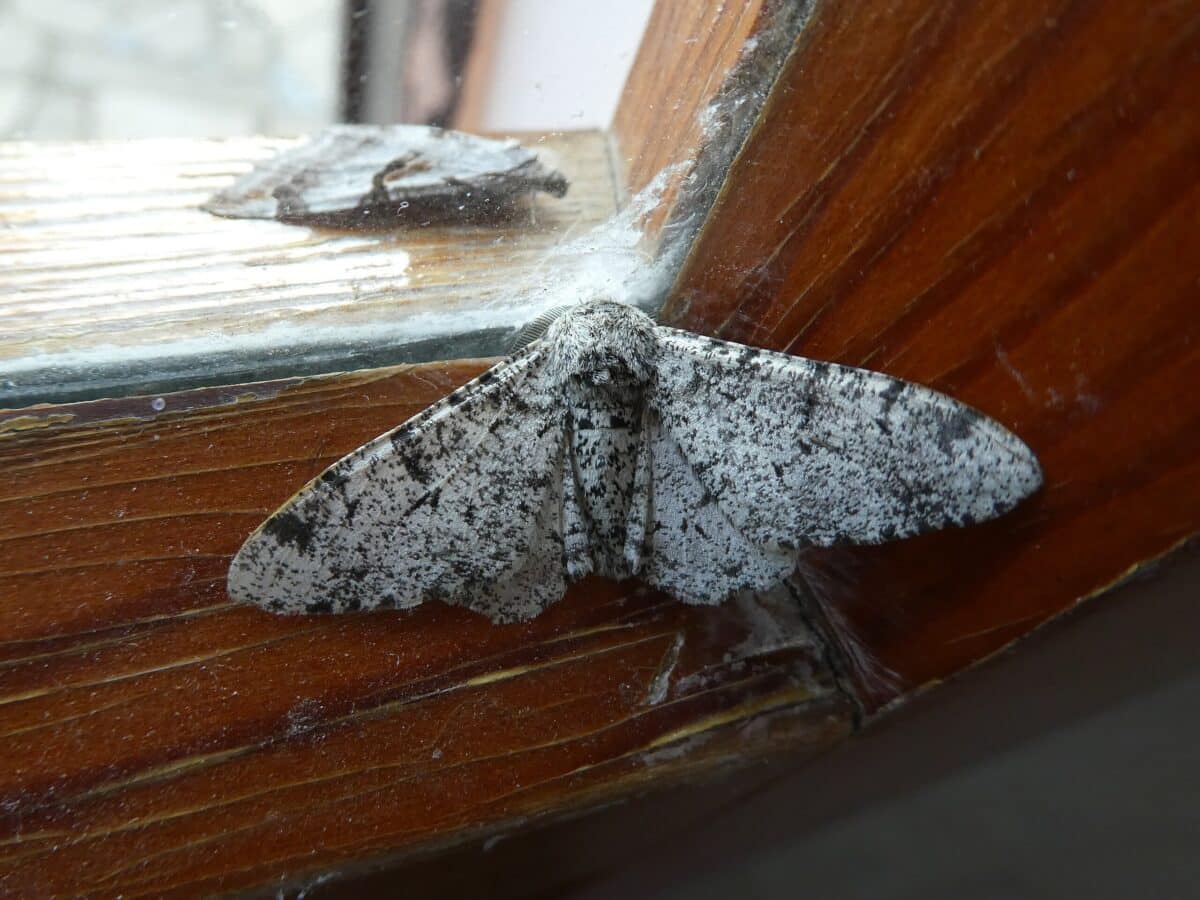
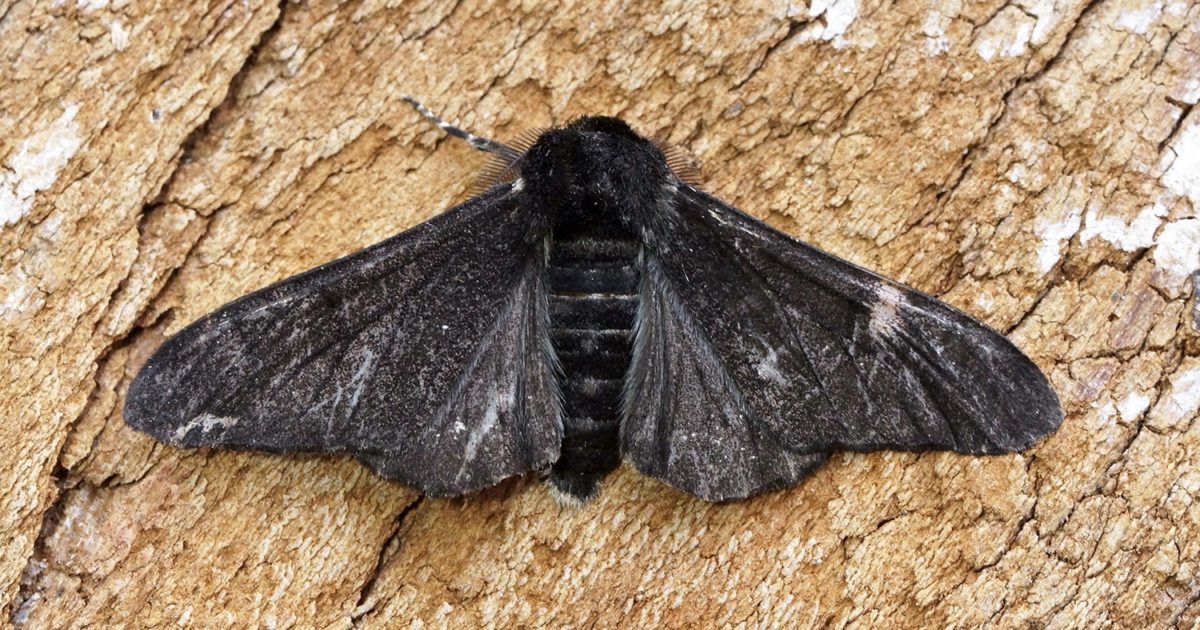
Biston_betularia Type post Author Casey Luskin Date November 17, 2025 CategoriesEvolutionZoology Tagged , antibiotic resistance, birds, Biston betularia, body plans, branches, Charles Darwin, Cornelius Hunter, creationism, Darwinian evolution, evolution, Great Britain, Icons of Evolution, IFL Science, Jonathan Wells, Michael Majerus, moths, natural selection, New York Times, organs, peppered moths, Science and Culture Today, textbooks, trunks, Zombie Science Pop Science Site Enlists the Peppered Moth to Attack Religion Casey Luskin November 17, 2025 Evolution, Zoology 12 If this is an “excellent” example of “Darwinian evolution in action,” it shows that Darwinian evolution doesn’t do very much. Read More ›
Type post Author Robert F. Shedinger Date December 13, 2022 CategoriesEvolutionIntelligent Design Tagged , bacteria, Biston betularia, Christmas Eve, courage, creationists, Icons of Evolution, industrial melanism, Jerry Coyne, Michael Majerus, natural selection, Nature (journal), peppered moth, scientific evidence, textbooks, The Mystery of Evolutionary Mechanisms, Why Evolution Is True Jerry Coyne — An Evolutionist and His Ideology Robert Shedinger December 13, 2022 Evolution, Intelligent Design 6 At least some others have the courage to stand for what they believe even in the face of potential criticism. Read More ›
Biston-betularia Type post Author Jonathan Wells Date May 31, 2022 CategoriesBiologyEvolutionLife Sciences Tagged , body plans, camouflage, caterpillars, Charles Darwin, Current Biology, Darwinian evolution, evolution, humans, industrial melanism, larvae, Michael Majerus, New York Times, On the Origin of Species, organs, peppered moths, pollution Peppered Moths: It’s Déjà Vu All Over Again Jonathan Wells May 31, 2022 Biology, Evolution, Life Sciences 4 At most, the story shows a change in the proportions of two varieties of the same species. Read More ›
peppered moth Type post Author Robert F. Shedinger Date July 20, 2020 CategoriesEvolution Tagged , Benedikt Hallgrimsson, Biston betularia, Brian K. Hall, butterflies, embryos, Ernst Haeckel, evolution, fruit flies, gene regulation, gills, Haeckel’s embryos, Icons of Evolution, intelligent design, Jerry Coyne, Jonathan Wells, junk DNA, Michael Majerus, moths, Rosemary Grant, Strickberger’s Evolution, textbooks, wings, Zombie Science (book) Strickberger’s Evolution Textbook Promotes False Evolutionary Icons Robert Shedinger July 20, 2020 Evolution 8 From crippled fruit flies we move to perhaps the most pervasive icon of them all, the peppered moth. Read More ›
rabbits Type post Date July 3, 2018 CategoriesEvolutionLife Sciences Tagged , __k-review, color, Darwin's Finches, Darwinian evolution, Genome Research, hybridization, Icons of Evolution, intelligent design, interbreeding, Jonathan Wells, Michael Majerus, Montana, mutations, Nevada, peppered moths, radiation, Rosemary Grant, Sisyphean evolution, speciation, Washington State, Zombie Science (book) Peppered Hares — An Emerging Evolutionary Icon Science and Culture July 3, 2018 Evolution, Life Sciences 6 Some hares turn white in winter where it’s snowy, but remain brown in winter where it’s mild. What does that have to do with Darwinian evolution? Read More ›