







































Science and Culture Today Discovering Design in Nature
Topic

hominids

homo erectus
human origins
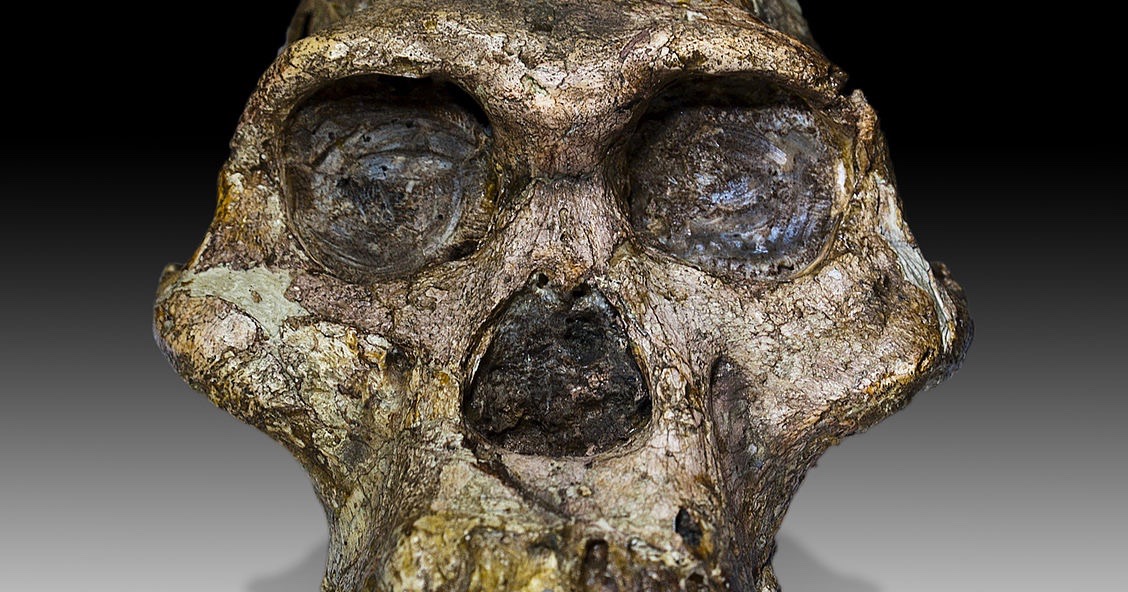
Photo: Skull fragment, Homo erectus, by Commie cretan (Own work) [CC BY-SA 3.0], via Wikimedia Commons.

Do Fossils Demonstrate Human Evolution? Let’s Consider the Technical Literature

Far from “a nice clean example” of “gradualistic evolutionary change” that has “no gaps,” the fossil record shows a dramatic discontinuity. Read More ›
Australopithecus-africanus
Photo: Australopithecus africanus skull, by José Braga; Didier Descouens [CC BY-SA 4.0], via Wikimedia Commons.

Günter Bechly: Goodbye to Darwinian Gradualism

Bechly touches on the oldest australopithecine fossil skull ever found, from 3.8 million years ago. Read More ›
homo erectus
human origins
Photo: Skull fragment, Homo erectus, by Commie cretan (Own work) [CC BY-SA 3.0], via Wikimedia Commons.

Eugenie Scott Gets Intelligent Design Backwards 

This punctuated, even saltational increase in hominid skull sizes over time continues to be recognized in the literature. Read More ›
Adam and Eve
Photo credit: pasja1000, via Pixabay.

Lessons Not Learned from the Evangelical Debate over Adam and Eve

To his credit, William Lane Craig is among those evangelicals who have been willing to question arguments against Adam and Eve. Read More ›
Adam and Eve, by Lucas Cranach the Younger
Image: Adam and Eve, by Lucas Cranach the Younger / Public domain.

Is Genesis “Mytho-History”? As a Guide to Scripture, William Lane Craig’s Book Falls Short

As an old earther, I was dismayed by Craig’s failure to engage with common old earth interpretations of Genesis. Read More ›
Glyptodon_old_drawing

Biology Journal: Evolutionary Psychology Is “Impossible”

Did evolutionary scientists not understand these things already? Read More ›
Chimp typing
human origins
Photo credit: New York Zoological Society [Public domain], via Wikimedia Commons.

What, Another “Rewrite” of the Human Origins Story? How About a Rethink, Instead?

Sometimes predictions are not only fulfilled but over-fulfilled. Read More ›

© Discovery Institute