DSC05955-2-2400x1440-edited Type post Author Kate Kavanaugh Date October 1, 2025 CategoriesIntelligent DesignScience Education Tagged , Annelida, Arthropoda, biology, butterfly metamorphosis, churches, co-ops, Creepy Crawly Complexity, Darwinian evolution, Discovery Institute Press, earthworm, ecosystems, education, George Damoff, homeschools, ID Education Day, Idaho, insects, intelligent design, megadrilologists, Nematoda, Paul Nelson, Pedro Moura, private schools, roundworm, schools, spiders, Spokane, Tacoma, The God Proofs, Washington State, Western Washington, worms, zoology ID Education Day Is Coming to Tacoma, November 6! Kate Kavanaugh October 1, 2025 Intelligent Design, Science Education 2 This is a fantastic field trip opportunity for middle and high school students in homeschool and private school settings to interact directly with scientists. Read More ›
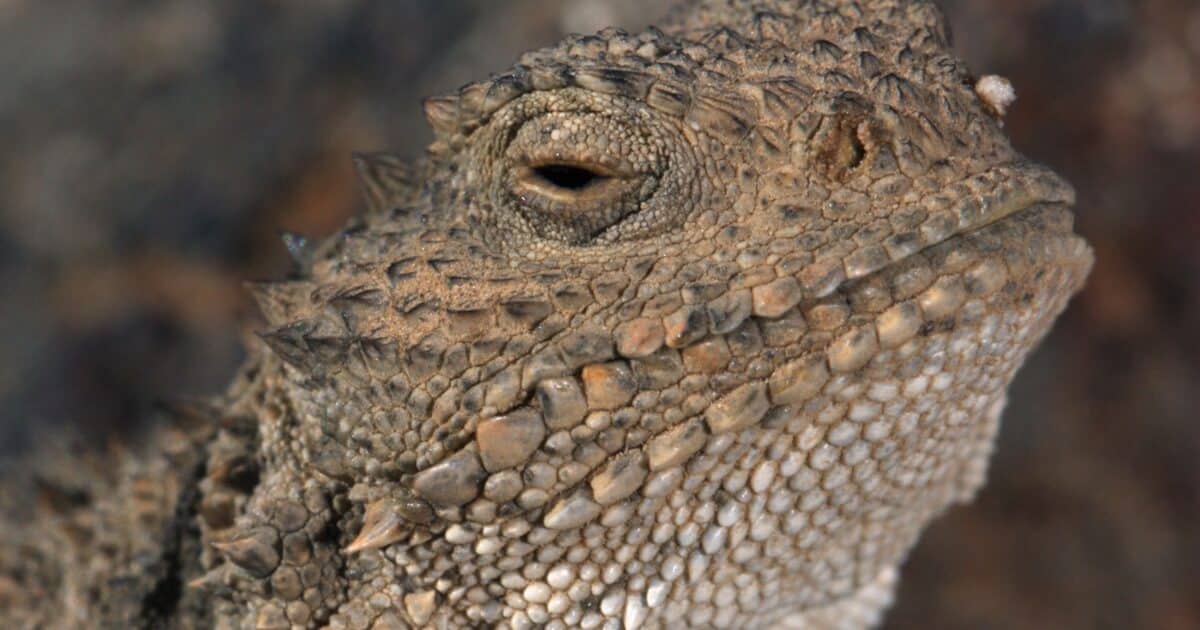
horned lizard Type post Author Paul Nelson Date March 6, 2023 CategoriesBiologyEvolutionLife SciencesOrigin of Life Tagged , abiogenesis, Adam Frank, Arthropoda, Biogenetic Law, biosphere, Chordata, eukaryotes, evolution, intelligent life, Jacques Monod, life, monophyly, probability, Richard Dawkins, The Design Inference, Tree of Life, universal common descent, William A. Dembski, Winston Ewert A Good Example of Evolutionary Use of Extremely Small Probability Singularities Paul Nelson March 6, 2023 Biology, Evolution, Life Sciences, Origin of Life 3 How can you be certain, for instance, that you, horned lizards, and brook trout share a common chordate ancestor? Read More ›
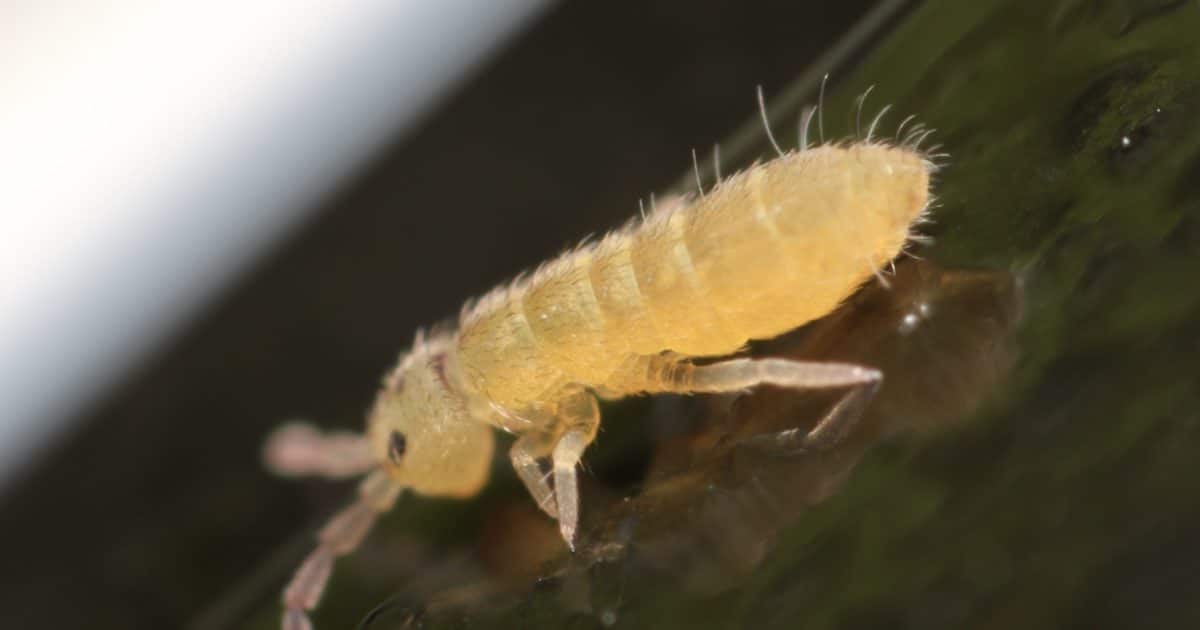
springtail Type post Author David Coppedge Date December 5, 2022 CategoriesBiologyEvolutionIntelligent Design Tagged , abdomen, Antarctica, Arthropoda, arthropods, Collembola, Darwinism, etymology, evolution, Georgia Tech, imitation, insects, intelligent design, just-so stories, Latin, PNAS, popcorn, Science Uprising, South Korea, springtails, Stanford University Springtails: Wingless Arthropods that Can Fly David Coppedge December 5, 2022 Biology, Evolution, Intelligent Design 10 The fossil record shows a “Hexapod Gap.” Unfortunately for Darwin, the two leading theories to explain the gap can be ruled out. Read More ›