

















Science and Culture Today Discovering Design in Nature
Category

Paleontology

Australopithecus afarensis
human origins
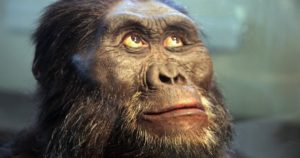
Photo: An artist imagines Australopithecus afarensis, Hall of Human Origins, Smithsonian National Museum of Natural History; reconstruction by John Gurche; photographed by Tim Evanson / CC BY-SA.

Australopithecines and Retroactive Confessions of Ignorance

If a few teeth of intermediate size and shape make “the most complete chain of human evolution,” then the evidence for human evolution must be quite modest. Read More ›
Ardipithecus ramidus
Photo: Ardipithecus ramidus, by Tiia Monto, CC BY-SA 3.0 <https://creativecommons.org/licenses/by-sa/3.0>, via Wikimedia Commons.

The Standard Story of Human Evolution: A Critical Look

Whatever Ardi was, everyone agrees the fossils was initially badly crushed and needed extensive reconstruction. Read More ›
Angiosperm
Photo: Undescribed putative angiosperm from the Crato Formation, by G. Bechly 2008.

Fossil Friday: Flowering Plants — Darwin’s Abominable Mystery

Flowering plants or angiosperms appear abruptly in the fossil record of the Lower Cretaceous (about 130 million years ago). Read More ›
Eurotamandua
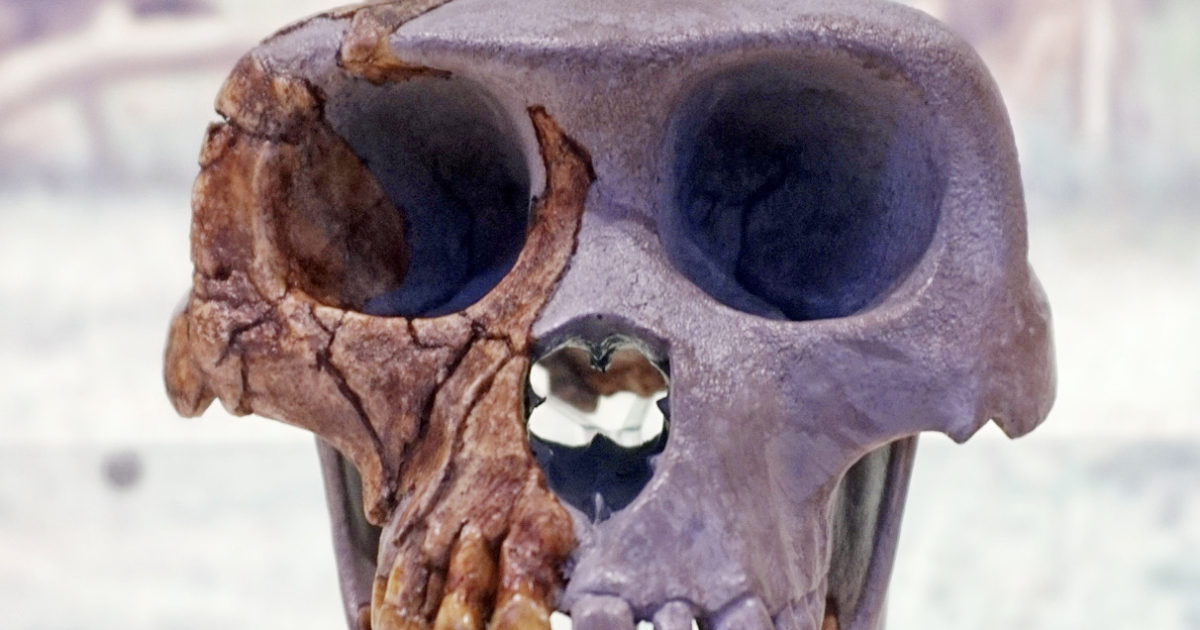
Photo: <I>Eurotamandua joresi</I> holotype, by Günter Bechly 2009.

Fossil Friday: Eurotamandua — Anteater or Not Even Close?
Darwinists have to appeal to the ad hoc hypothesis of convergent adaptation to similar lifestyles, which of course increases their problem. Read More ›
Gunter Bechly
Photo: Günter Bechly in a scene from the documentary Revolutionary, via Discovery Institute.

Günter Bechly’s Journey to Faith

I can identify with the last paragraph, in the context of my own different religious tradition, with certain other difference as well. Read More ›
Moniopterus
Photo: Moniopterus japonicus, modified after Haga et al. 2010, https://doi.org/10.1666/09-126.1, fair use.

Fossil Friday: Moniopterus — Snake, Beetle, or Mollusk?

Scientists are only humans and many of them see what they want to see. Fossils often leave a lot of room for wild imagination and wishful thinking. Read More ›
Svante Pääbo
Photo: Svante Pääbo, by Jonathunder, GFDL 1.2 <http://www.gnu.org/licenses/old-licenses/fdl-1.2.html>, via Wikimedia Commons.

New Nobel Laureate, Svante Pääbo, on the “Politics” of Paleontology and Humans Origins
These are welcome and candid observations, refuting notions that human origins is a fully objective area of research. Read More ›
Walking_whales
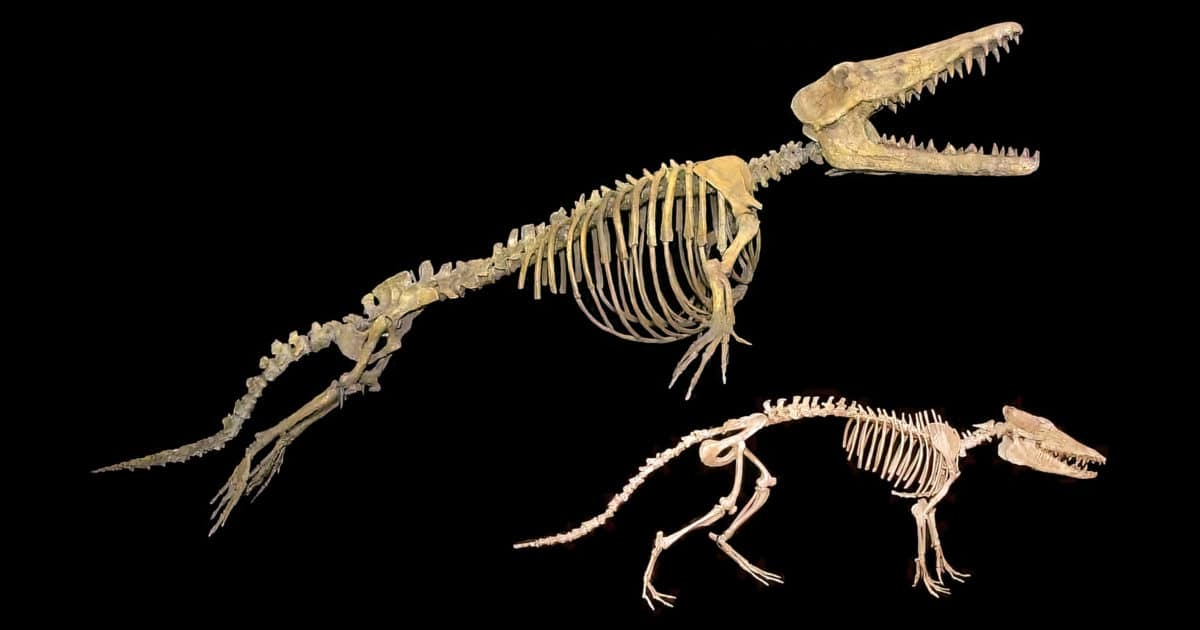
Photo: Pakicetus and Ambulocetus by Thewissen 2009, via Wikimedia, CC BY 2.0.

Fossil Friday: Walking Whales and Why All Critiques of the Waiting Time Problem Fail
These fossils are often celebrated as missing links and a success story for Darwinism. Read More ›
Darwinius
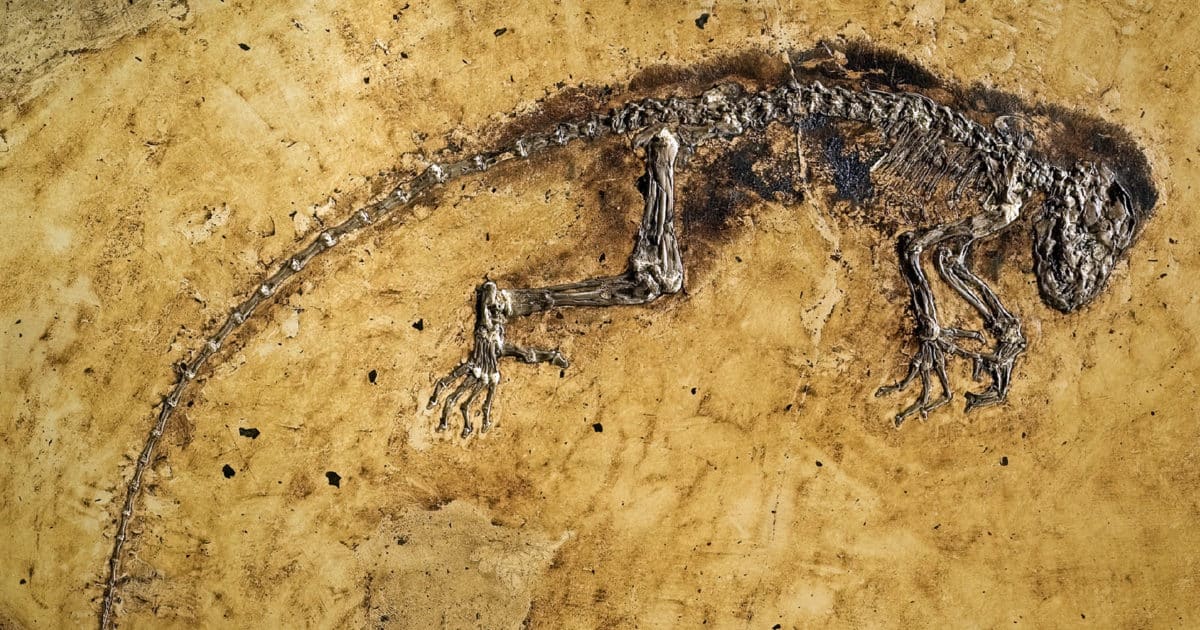
Photo: Darwinius marsillae, Franzen et al. 2009, via Wikimedia, CC BY-SA 2.5.

Fossil Friday: Darwinius, or How Wishful Thinking Makes a Missing Link
The media campaign lead to headlines that were not content with calling the fossil a missing link but simply “THE link” or “the eighth wonder of the world.” Read More ›
Rhenocystis
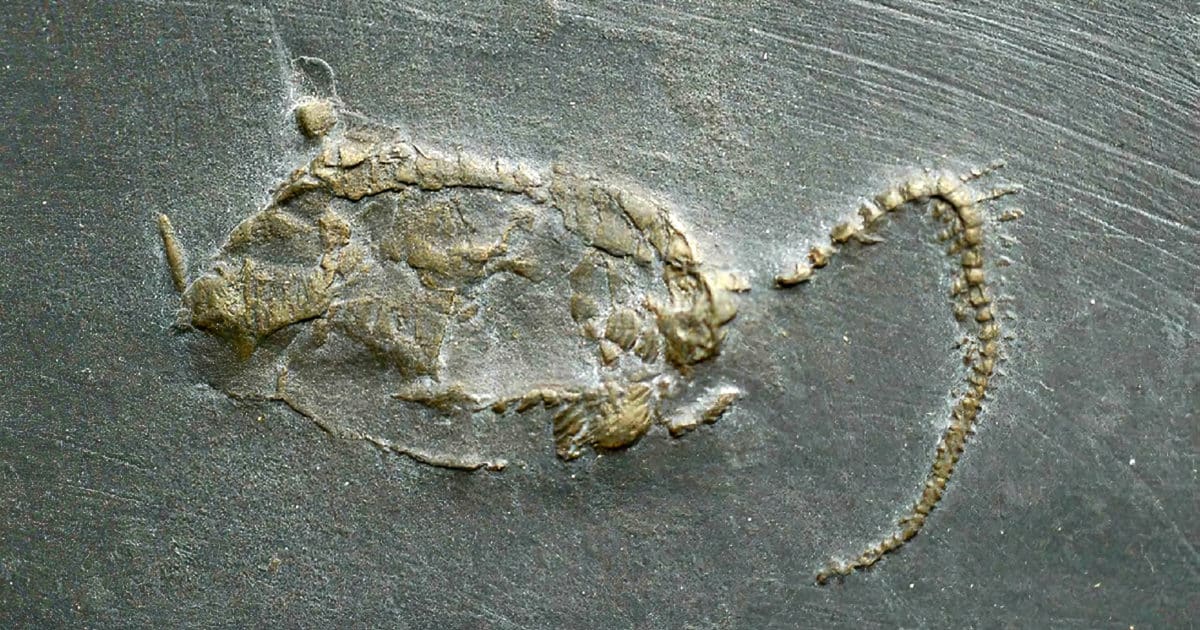
Photo: Rhenocystis latipendunculata, (c) Christel Schuhmacher, Hunsrück Museum Simmern, CC-BY-NC-SA 4.0.

Fossil Friday: Rhenocystis and the Controversial Calcichordate Hypothesis

It looks a bit like a tadpole with body and tail, and this indeed points towards one of the great scientific controversies of the 20th century. Read More ›

© Discovery Institute