
























What do we mean by “mystery”? Is it sometimes conflated with ignorance? The unknown? If I opt for blindness, does that enhance the ultimate mystery of the cosmos?
In the creative arts, which can often get pitted against the sciences (the supposed realm of the objective), the mysterious, the unknown, the grey areas of human experience, are seen as rife with artistic possibility. The aim of a short story, in Anton Chekhov’s view, isn’t to answer the question but to phrase the question well. A painting doesn’t offer the viewer the same thing as a mathematical theorem or a set of facts about how the sun works. We must accept the uncertainty and stop insisting that we can possibly know the unknowable.
Our Sense of Wonder
Nonetheless, I wonder if we’ve misunderstood what mystery means and how knowledge, when pursued with humility and studiousness, increases our sense of wonder.
Knowledge is not at all opposed to mystery, and in fact, the biblical witness tells us that the more truth we know, the abler we are to marvel at the beauty of God’s creation. Here’s a recent example from my personal life. I just finished watching The Story of Everything, a documentary that beautifully illustrates the scientific evidence for intelligent design in nature: from the radical discovery that the universe is expanding (and so has a beginning) to the almost incomprehensible complexity of a single cell (which operates with more technological sophistication than any Apple iPhone on the market), The documentary does a really fine job of explaining how certain elements in nature work and the overarching conclusions we might draw from these observations.
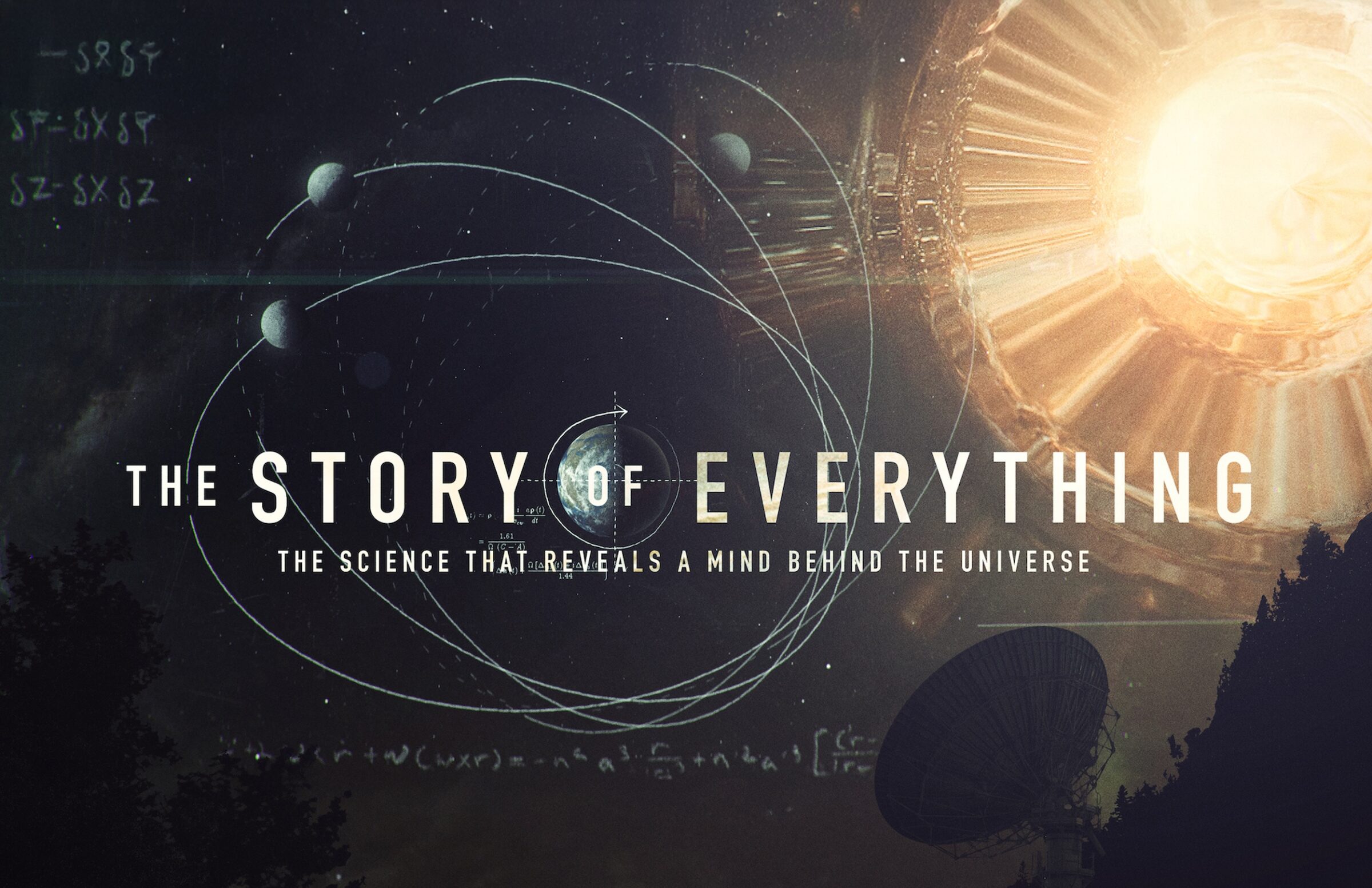 Photo source: The Story of Everything.
After watching the movie, I came away wondering if I would appreciate a typical oak tree a lot more if I knew what was going on inside it. How do the leaves perform photosynthesis? How do the roots absorb nutrients? What is bark really made of? How can trees hibernate in the winter? What’s all that about? I realized that knowledge of the tree wouldn’t destroy its inner mystery or beauty. If anything, knowing more about it would enhance the mystery.
Eyes Wide Open
This notion goes against a common story in the West. While the ancients thought the stars above were gods or angelic beings, we have modern science and know better today. We (wrongly) assume that an increase in knowledge means a decrease in mystery and wonder. As the documentary shows, however, the opposite is true. There are no bounds to the wonders of this wild universe. If you study the stars, the redwood trees, the great Pacific, the barren Arctic circle with her skies of banded blue and green, the human eye, the poetry of Gerard Manley Hopkins, the sonnets of Shakespeare, the love songs of Solomon, you have to start wondering what kind of innovative, creative, beautiful, and joyful Being lives at the heart of reality. You are left with eyes wide open, stunned.
Likewise, in matters of theology and philosophy, I’ve found that reading and wrestling with ideas in such realms opens my mind to new ways of thinking about God and the world around me; once again, knowledge here isn’t opposed to mystery. Knowing more about God, if we go the right way about it, allows us to know Him better. God gave us minds to comprehend the structure of the world and to find Him imprinted everywhere in it. If we neglect that pursuit for fear that we might trespass and violate the “mystery,” we might not necessarily be proving ourselves to be pious.
Maybe the way deeper into the beauty and mystery of being isn’t to try and force some kind of mystical attitude toward the world but to try and know it. Know the names of sea creatures, how the bacterial flagellum spins, how DNA is a double helix and is coded with the language for life, how people are more than bodies but are souls. This is much different from the attitude of the nefarious Judge in Cormac McCarthy’s Blood Meridian, who goes around documenting nature in a notebook only to flippantly gut it on a whim. Characters like him might have a working knowledge of the world but aren’t interested in what it all points to. Like Satan himself, they know the words of Scripture but have no reverence for the God they reveal.
The danger of pursuing knowledge with wicked intent, though, doesn’t mean truth, when sought after with humility and openness, is dangerous. Learning to look and learn is a major way we transform ourselves. Why? To seek knowledge means you must get your eyes off yourself. Trying to solve a mathematical equation is a surefire way to lose sight of one’s ego. Simply paying attention to a subject or problem outside my own subjective experience has a weird way of correcting my overall place and orientation in the world.
Enchanting the World
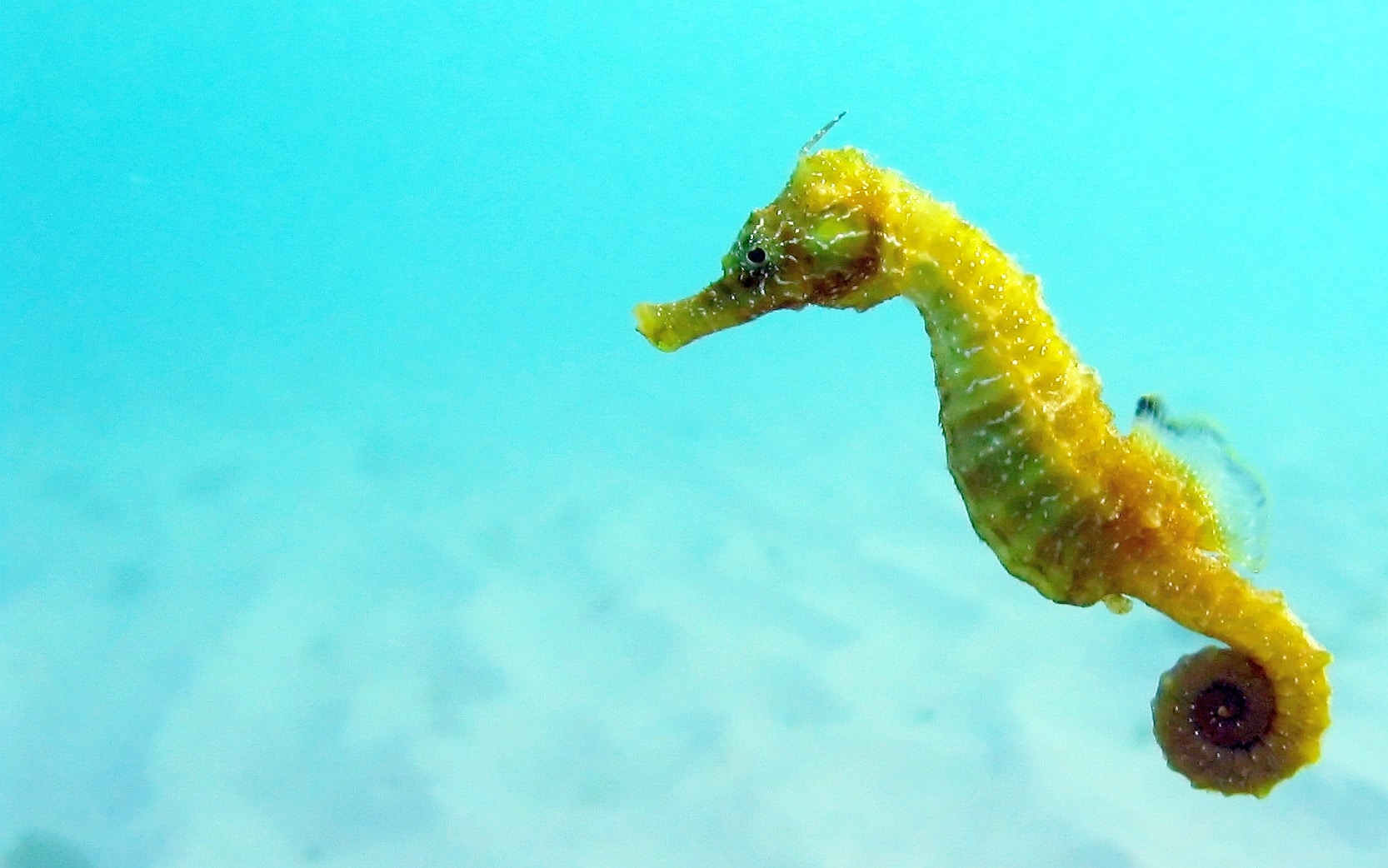
Another way to put this is that learning about how a seahorse works might be one of the most spiritual things I can do. It would force me to encounter the wonder, dare I say the mystery, of how this little sea critter operates. It involves a small form of self-denial that may lead me a bit closer to the creative God that all this beauty and design purposely lead to. This kind of orientation leads not only to the transformation of the individual but also the benefit of whole communities and cultures. People who look at the world this way can’t help but imitate the wonder and beauty they discover. We see beauty and then want to replicate it.
So, no, knowing more doesn’t disenchant the world. Knowing more might just deepen its many wonders.