






































Science and Culture Today Discovering Design in Nature
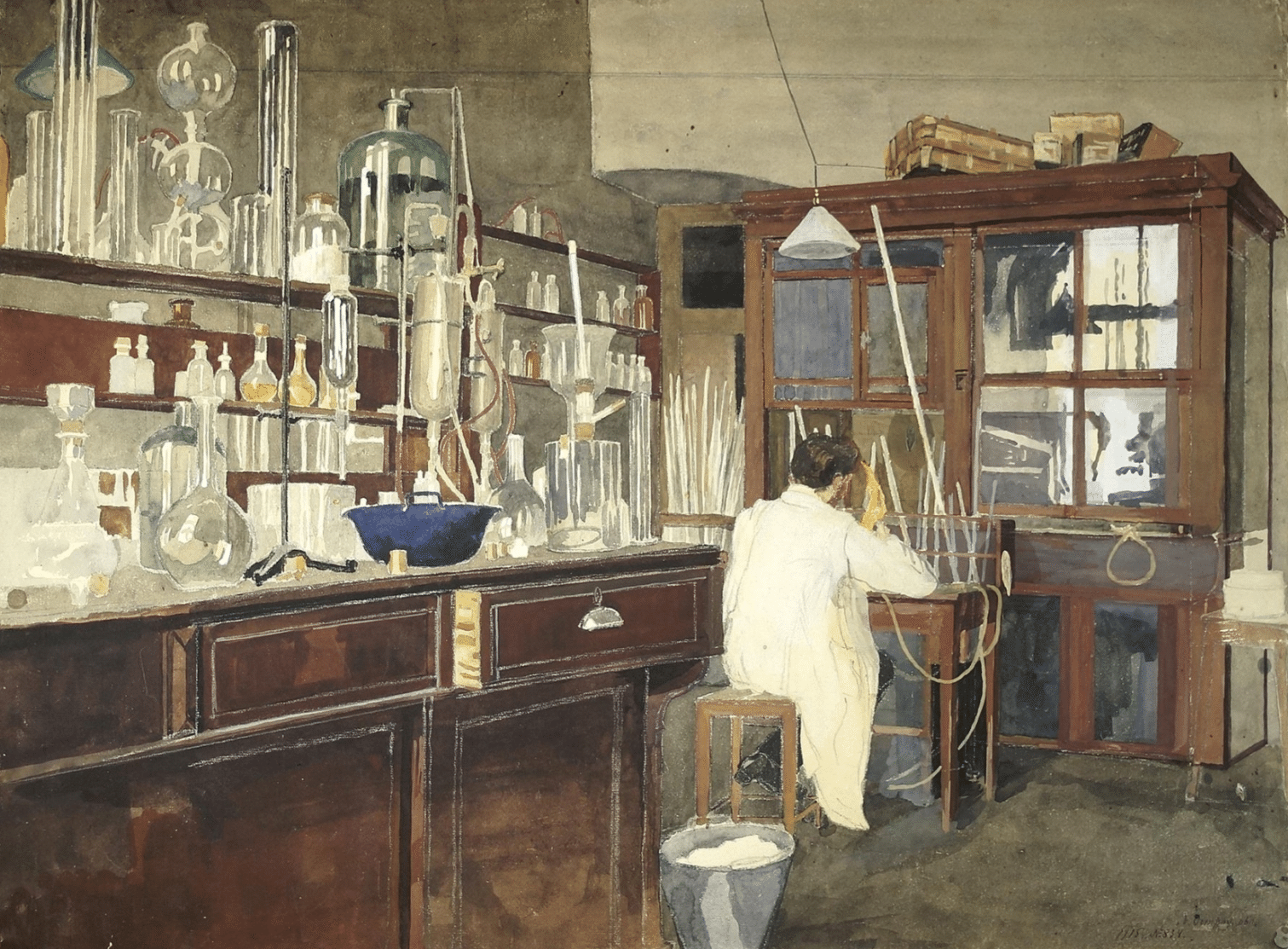
Anna_Ostroumova-Lebedeva_-_Laboratory_-_1915
Image credit: Anna Ostroumova-Lebedeva, Public domain, via Wikimedia Commons.
Latest

Three Types of Science: Experimental Science

Categories
Faith & Science
Intelligent Design
Share
Facebook
Twitter/X
LinkedIn
Flipboard
Print
Email

On a classic episode of ID the Future, I begin a three-part conversation with biophysicist and philosopher Kirk Durston. We discuss Durston’s article series about three types of science — (1) experimental science, which is generally very trustworthy, with some exceptions; (2) inferential science, which can be trustworthy but often takes huge leaps into the doubtable and dodgy; and (3) fantasy science, which is essentially science fiction masquerading as actual science.

In this first of three episodes, Durston focuses on experimental science. Such science is, at its best, reproducible and verifiable. Durston says he has yet to find a true conflict between experimental, reproducible scientific observations and his religious faith. The contradictions he encountered were all between his faith and the inferences that some scientists were drawing from experimental science. We then move into a discussion of the reproducibility crisis in experimental science. As Durston explains, without a healthy scientific culture and the right incentives, experimental science can quickly fall into disrepair.

Find the podcast and listen to it here. This is Part 1 of 3. Look for Part 2 on Sunday!

Dig Deeper

Andrew McDiarmid

Director of Podcasting and Senior Fellow
Andrew McDiarmid is Director of Podcasting and a Senior Fellow at Discovery Institute. He is also a contributing writer to Mind Matters. He produces ID The Future, a podcast from the Center for Science & Culture that presents the case, research, and implications of intelligent design and explores the debate over evolution. He writes and speaks regularly on the impact of technology on human living. His work has appeared in numerous publications, including the New York Post, Houston Chronicle, The Daily Wire, San Francisco Chronicle, Real Clear Politics, Newsmax, The American Spectator, The Federalist, Technoskeptic Magazine, and elsewhere. In addition to his roles at Discovery Institute, he promotes his homeland as host of the Scottish culture and music podcast Simply Scottish. Andrew holds an MA in Teaching from Seattle Pacific University and a BA in English/Creative Writing from the University of Washington.
Benefiting from Science & Culture Today?
Support the Center for Science and Culture and ensure that we can continue to publish counter-cultural commentary and original reporting and analysis on scientific research, evolution, neuroscience, bioethics, and intelligent design.

© Discovery Institute