






































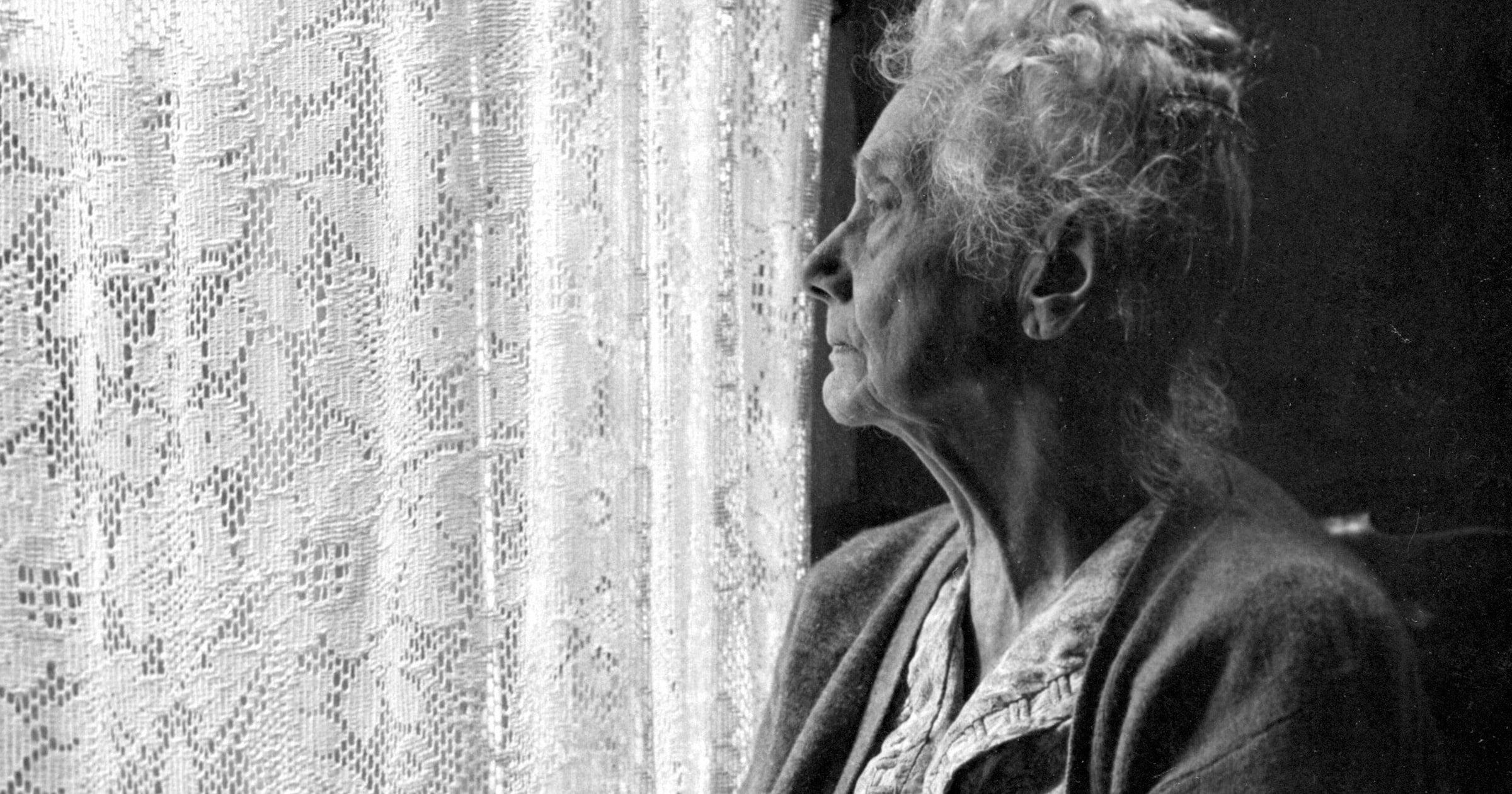
Oh, sure. We bemoan the suicide of veterans and teenagers — still — but the elderly, ill, and disabled? Not so much.
The assisted-suicide movement boosts suicide in many forms. One of the most insidious is known in euthanasia parlance as VSED, which stands for “voluntary stop eating and drinking.” The idea is for people who want to die to starve and dehydrate themselves to death — with doctors palliating the agony of such a course. The euthanasia movement particularly targets the elderly for this type of advocacy.
A Matter of Autonomy
The Washington Post Magazine now tells the tale of one such death of an elderly man, depicting the event as merely a matter of autonomy (with the implied message that assisted suicide should be legalized so people who want to die don’t have to go to such extreme measures):
Ben Griffith rose before the sun the morning of March 18, 2022, packed his car and began the long drive from his house in Frankfort, Ky., to suburban Kansas City, Mo. The time had come to help his father die.
Months earlier, when John Griffith made clear to his three sons that he would end his life by denying himself food and drink rather than go into an assisted-living facility, his two older sons objected. Only Ben, the youngest at 67, agreed to keep vigil with his 99-year-old father. Now that John’s quality of life had deteriorated to the point where he would rather die than have his misery prolonged with unwanted treatment in assisted living, Ben was heading to his father’s house.
Be clear. VSED is suicide every bit as much as if the suicidal person jumped off a bridge. That means that the Post story violated most of the WHO Media Suicide Guidelines on reporting:
- Don’t place stories about suicide prominently and don’t unduly repeat such stories.
- Don’t use language which sensationalizes or normalizes suicide, or presents it as a constructive solution to problems.
- Don’t explicitly describe the method used.
- Don’t provide details about the site/location.
- Don’t use sensational headlines.
- Don’t use photographs, video footage or social media links.
Moreover, the story fails to inform readers where and how to access suicide-prevention services, which suicide-prevention experts urge be included in every story about a suicide death.
Encouraged to Die
The story shows how a person committing VSED may be, shall we say, encouraged, to continue on that deadly course in instructions provided by euthanasia boosters to caregivers:
Ben arrived at his father’s townhouse in Gladstone, Mo., about 3 o’clock the afternoon of March 18, having driven the better part of 11 hours. He had braced himself for the ordeal, knowing it could become more difficult if his father wavered and requested food or water. Ben could not deny him that. “It’s voluntary,” Ben says. “If a person wants food or water, you give it to him. I had done my homework with Compassion & Choices and read their list of guidance. It says remind the person, ‘Dad, you know you’re doing VSED. If you take ice chips or water, it’s going to delay the process.’ I prepared before I left for that.”
One final point. The reporter depicts the VSED suicide as merely a matter of refusing medical treatment. But this was not a case of a patient refusing tube feeding, which under the law is deemed a medical treatment that can be withdrawn — just ask Terri Schiavo.
No, a man stopped taking sustenance when he was capable of so doing and thus died by dehydration/starvation. From what I could discern, the man wasn’t otherwise terminally ill. He was in assisted living. The only medical treatment provided was by misguided hospice personnel who made it easier for the man to die by making the dehydration physically bearable. But for those actions, he wouldn’t have even needed hospice care.
Morally, that’s another way of assisting suicide, and it furthers the purpose of whoever alerted the reporter to the story — which is to give unhappy elderly people lethal ideas.
Cross-posted at The Corner.