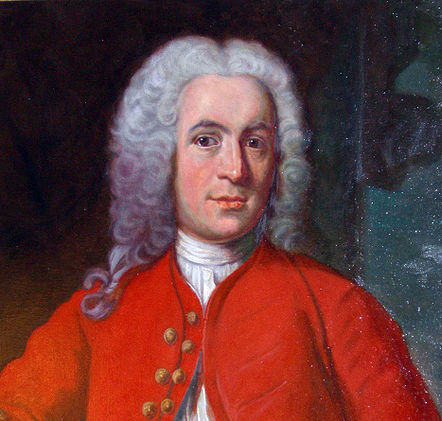
Emily-Reeves Type post Author Stephen Dilley Date December 6, 2023 CategoriesBiochemistryBiologyEvolutionIntelligent Design Tagged , An Introduction to Systems Biology, beauty, biography, Brazil, Brian Miller, Charles Darwin, Discovery Institute, Emily Reeves, evolution, intelligent design, intelligibility, John Milton, natural selection, nature, purposiveness, Scientific Dissent From Darwinism, Summer Seminars on Intelligent Design, Systems Biology, Texas A&M, The Autobiography of Charles Darwin, understanding, Uri Alon, William Shakespeare, wonder Nature’s Wonder — A Tale of Two Scientists Stephen Dilley December 6, 2023 Biochemistry, Biology, Evolution, Intelligent Design 10 Charles Darwin described an atrophied sensitivity to “grandeur” that he noted in himself. Read More ›
lilac Type post Author Ann Gauger Date September 9, 2022 CategoriesBioethicsIntelligent Design Tagged , beauty, birds, elves, evil, existence, lilac, mountains, poetry, rocks, stones, ugliness, wonder Capturing Beauty, Painting Creation Ann Gauger September 9, 2022 Bioethics, Intelligent Design 2 Orcs were made from elves, not the other way around. And that is not my subject here. Beauty comes first. Read More ›
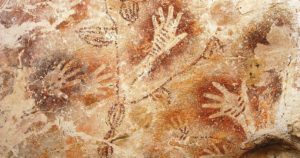
cave-painting Type post Author Denyse O’Leary Date October 19, 2021 CategoriesEvolutionary PsychologyHuman Origins and AnthropologyNeuroscience & MindPsychology Tagged , "survival of the fittest", brain, Casey Luskin, Christianity, Darwinian theory, human behavior, human origins, Joseph Holden, menopause, Science, smiling, Subrena E. Smith, The Comprehensive Guide to Science and Faith, William A. Dembski, wonder There Is No Such Thing as a Fossil Mind Denyse O’Leary October 19, 2021 Evolutionary Psychology, Human Origins and Anthropology, Neuroscience & Mind, Psychology 4 We are free to accept ad hoc evo psych explanations if we wish. Like astrology and palm reading, they make good conversation pieces. Read More ›
Lucretius Type post Author Rob Sheldon Date October 1, 2020 CategoriesBiologyIntelligent DesignPhysics Tagged , Aristotle, carbon, Charles Darwin, Cyanobacteria, Dr. Pangloss, Fred Hoyle, intelligent design, Latin, Lucretius, metazoans, meteorites, Michael Denton, natural selection, optimization, Paul Davies, purpose, quantum mechanics, satire, The Miracle of the Cell, Voltaire, wonder Learning Wonder from Denton’s Latest Rob Sheldon October 1, 2020 Biology, Intelligent Design, Physics 5 Around 50 BC Titus Lucretius Carus wrote a long treatise against finding purpose in nature. Read More ›
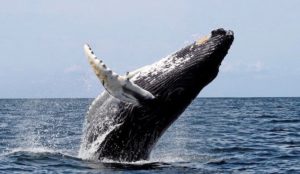
humpback whale Type post Date October 10, 2018 CategoriesBiologyEvolutionIntelligent Design Tagged , __k-review, awe, China, common ancestry, convergent evolution, Darwinian mechanisms, echolocation, evolution, evolutionary biologists, genes, homology, Illustra Media, intelligent design, last common ancestor, Living Waters, mammals, materialists, molecular phylogeny, Paul Nelson, physiology, prestin, proteins, Richard Sternberg, Sarah Chaffee, Science Advances, whales, wonder Evolutionary Relationships In Echolocation — An Obsession that Smothers Wonder Science and Culture October 10, 2018 Biology, Evolution, Intelligent Design 6 Perhaps it is awe-inspiring to evolutionary biologists to try to work a puzzle, trying to find how everything is connected by common ancestry. Read More ›
dolphins Type post Date October 9, 2018 CategoriesEvolutionIntelligent Design Tagged , __k-review, Arthur C. Clarke, awe, bats, Captain Dave Anderson, convergent evolution, Darwinian theory, dolphins, echolocation, genes, Germany, golf ball, Illustra Media, Living Waters, mammals, Michael Ruse, molecular evolution, mutations, natural selection, neutral evolution, ping-pong ball, purifying selection, Science Advances, Thomas Kuhn, toothed whales, whales, wonder Awe at Echolocation? Nah, Convergence Again Science and Culture October 9, 2018 Evolution, Intelligent Design 5 The passionate focus on evolutionary relationships in biology papers tends to obscure awe at the wonders in life. Read More ›