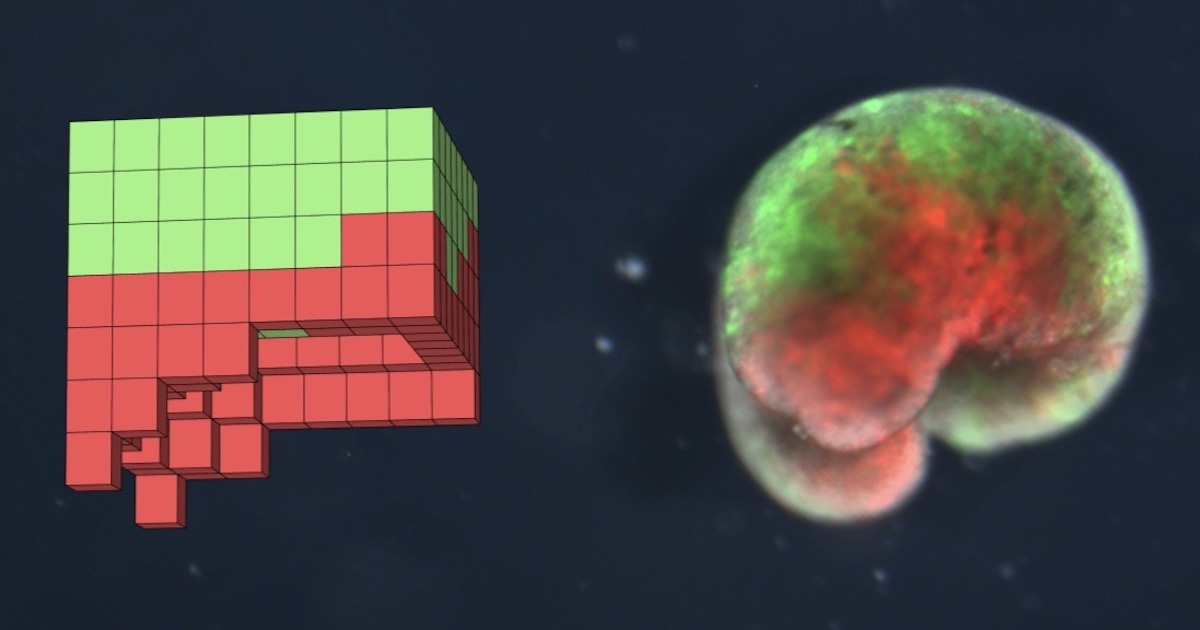
A_xenobot_in_simulation_and_reality Type post Author Brian Miller Date December 3, 2021 CategoriesEvolutionLife Sciences Tagged , cell biology, cells, CNN, computers, frogs, intelligent design, John Timmer, robots, self-replication, Tufts University Xenobots: Researchers Claim to Have Created New Form of Biological Self-Replication Brian Miller December 3, 2021 Evolution, Life Sciences 4 Xenobots are artificially interconnected biological tissues whose arrangements are determined by some algorithm. Read More ›
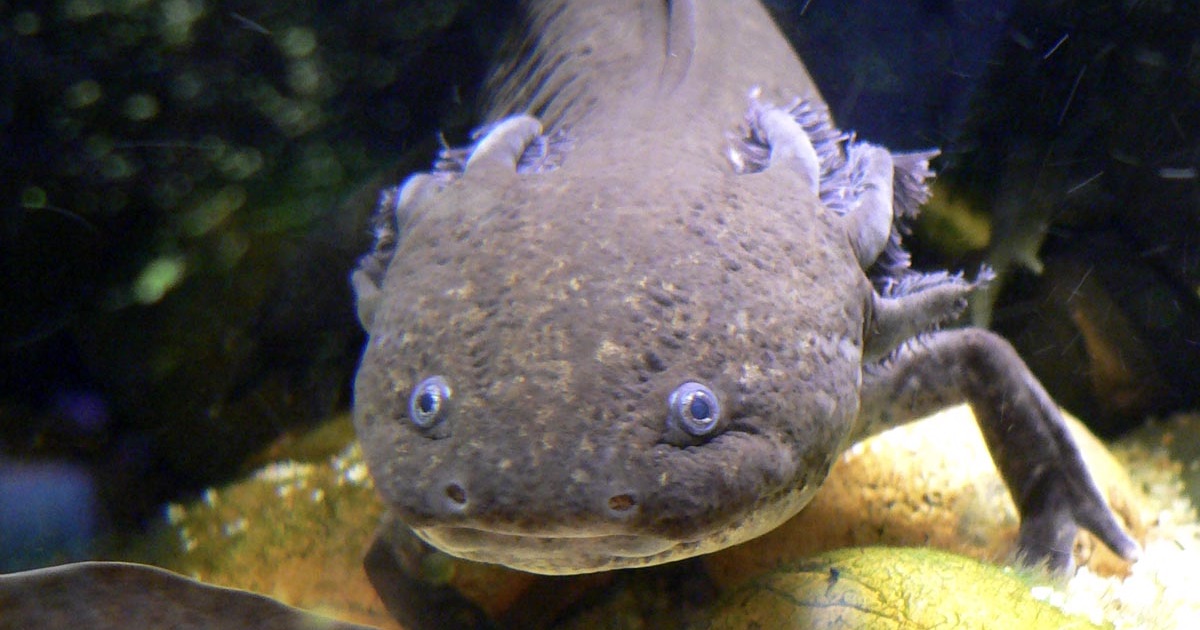
axolotl Type post Date October 19, 2020 CategoriesAnatomyEngineeringEvolutionIntelligent Design Tagged , 3D printing, amoeba, beetles, crabs, Darwinism, Douglas Axe, embryonic development, eukaryotes, evolution, functional whole, Harvard University, Hydra, Illustra Media, information, intelligent design, liver, Michael Levin, morphogenesis, octopuses, paramecium, The Scientist, Tufts University, Undeniable (book) Morphogenesis: Coding for Shape Science & Culture October 19, 2020 Anatomy, Engineering, Evolution, Intelligent Design 10 How do you get a 3-D shape from a linear code? That is the puzzle of morphogenesis. Read More ›