Nassarius_arcularia_01 Type post Author Emily Reeves Date February 3, 2025 CategoriesEvolutionIntelligent Design Tagged , adaptation, Ann Gauger, Brian Miller, Casey Luskin, cell wall, Douglas Axe, genetic variations, genomes, ionizing radiation, Jonathan Bartlett, Michael Behe, mutations, non-random mutation, organisms, Paul Nelson, phylogenetics, polymerases, population dynamics, random mutation, Stephen Meyer, Steve Laufmann, William A. Dembski, Winston Ewert Paper Digest: Addressing Flaws in Population Dynamic Models Emily Reeves February 3, 2025 Evolution, Intelligent Design 6 Reframing genetic variation as falling into separate categories — random and non-random — could provide new insights into the history of life. Read More ›
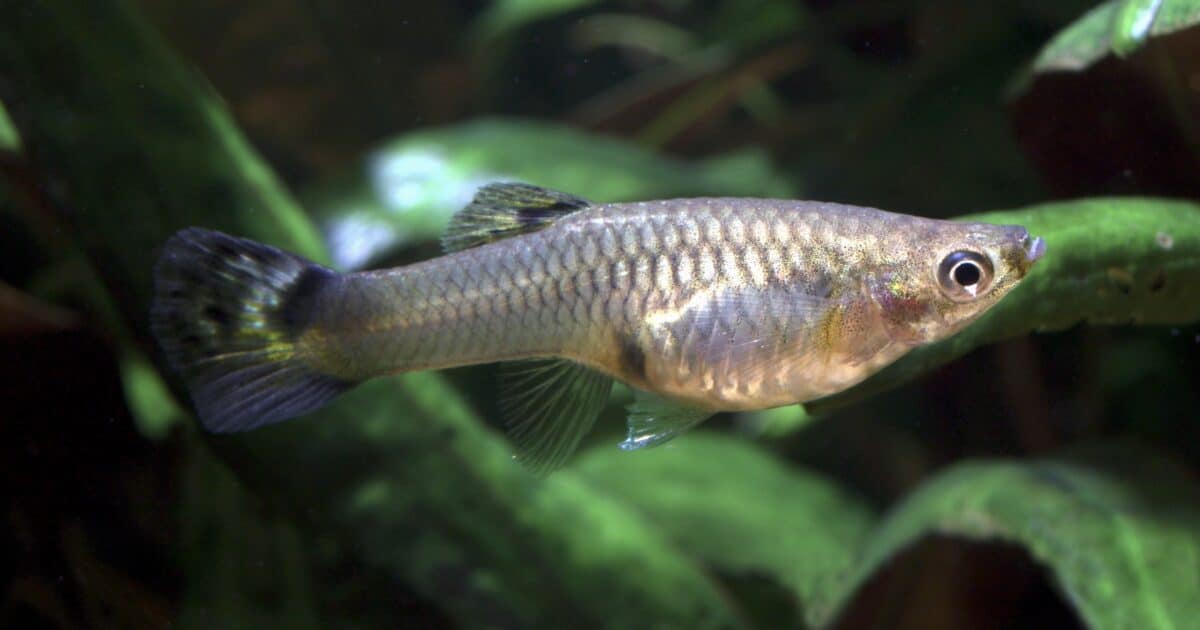
Guppy_Poecilia_reticulata Type post Author Emily Reeves Date May 7, 2024 CategoriesBiologyEvolutionIntelligent Design Tagged , adaptation, behavior, body size, Brown University, eggs, evolution, females, Finding Darwin's God, fish, genetic diversity, guppies, J.B.S. Haldane, Kenneth Miller, morphology, mutations, natural selection, physiology, population dynamics, predators, random mutation, variation Are Guppies Examples of Darwinian Macroevolution? Emily Reeves May 7, 2024 Biology, Evolution, Intelligent Design 8 It was 1961, in the steep mountain streams of Trinidad where cascading waterfalls create barriers which predatory fish can’t overcome. Read More ›
Type post Author David Klinghoffer Date May 6, 2016 CategoriesEvolutionEvolutionary PsychologyScience Reporting Tagged , __tedited, behavior, competition, controversy, discrimination, evolutionary psychology, female sports, feminism, hunter-gatherers, imagination, instinct, just-so stories, masculinity, motivation, policymakers, Politics, population dynamics, pre-human ancestors, public opinion, Science Daily, science writers, speculation, Sports, surprise As an Exercise, Write a Research Article in Evolutionary Psychology, Off the Top of Your Head David Klinghoffer May 6, 2016 Evolution, Evolutionary Psychology, Science Reporting 4 Right now. You can do it. Read More ›