







































Science and Culture Today Discovering Design in Nature
Topic

microbes

borgs
Image credit: Jenny Nuss/Berkeley Lab, via EurekAlert!

Beneficial Borgs Have Landed

Borg theory represents a major paradigm shift about how genetic information is stored and shared. Read More ›
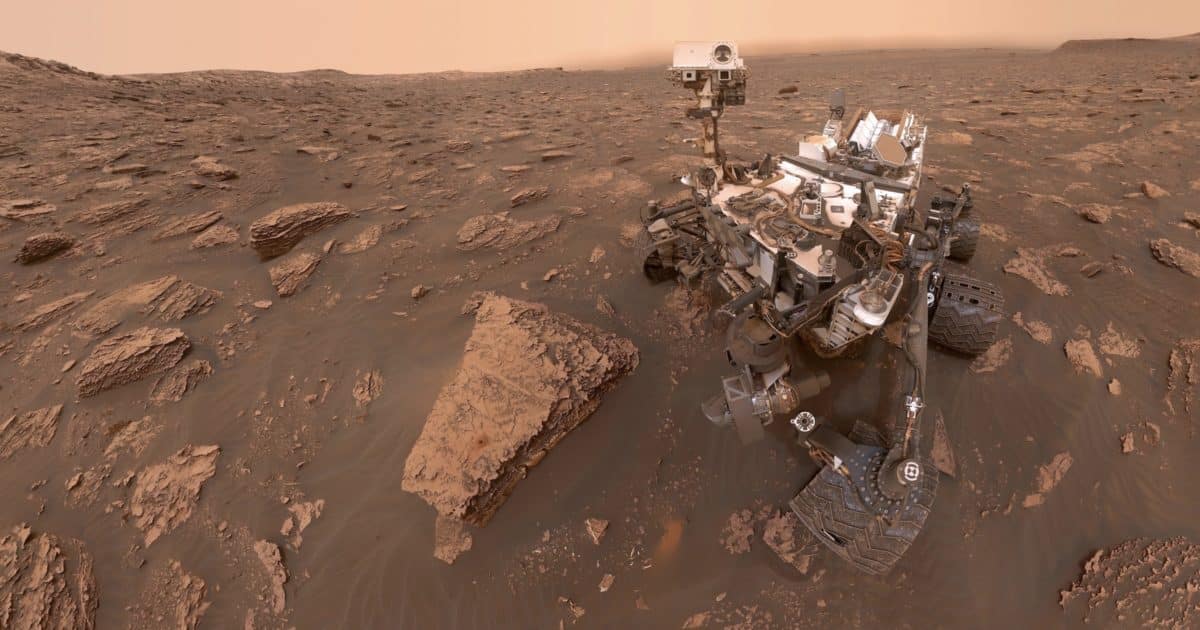
Curiosity rover
Photo: Curiosity rover on Mars, by NASA/JPL-Caltech/MSSS.

Rare Earth: How Vital Minerals “Evolve”

It's intriguing that life as we know it depends on a seemingly un-natural distribution of minerals. Read More ›
Artist’s impression of exoplanet orbiting two stars
Fermi Paradox
Image: An exoplanet (artist’s rendering), by ESA/Hubble [CC BY 4.0], via Wikimedia Commons.

Biominerals Could Predict Life on Exoplanets
One-third of minerals — chemical solids whose atoms are highly ordered — are created directly or indirectly by life forms. Read More ›
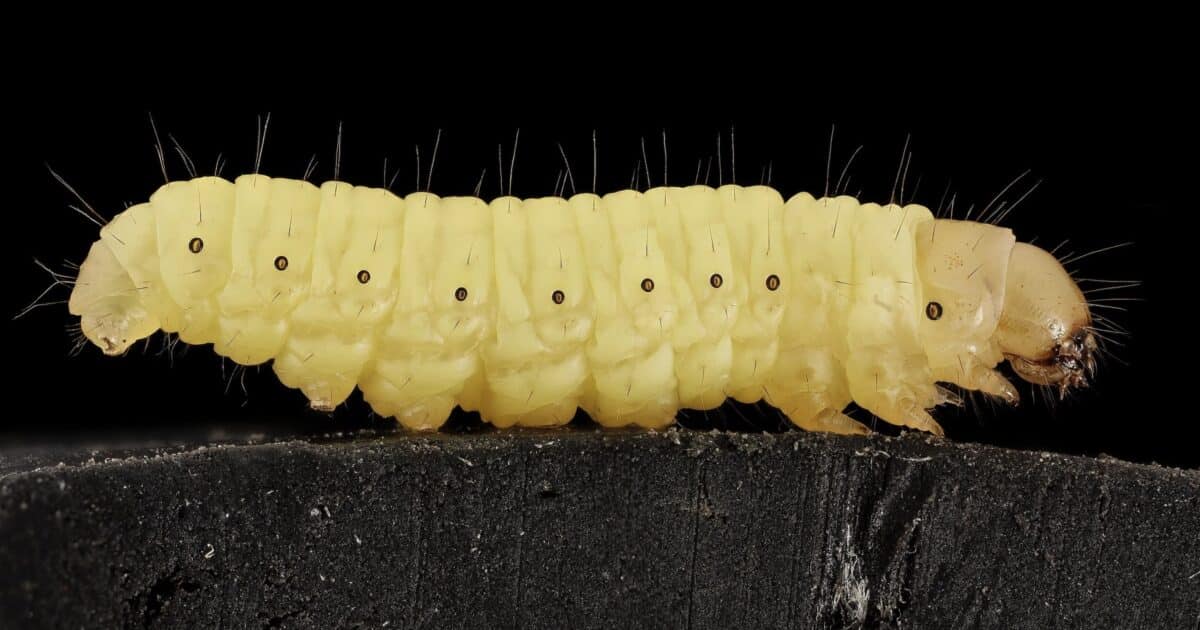
wax worm
Photo: A wax worm, by Sam Droege, Public domain, via Wikimedia Commons.

Foresight in the Biosphere: Lowly Organisms Help Rescue the Planet from Pollution
Need technology to fight the effects of technology? Look instead to living things that already have solutions. Read More ›
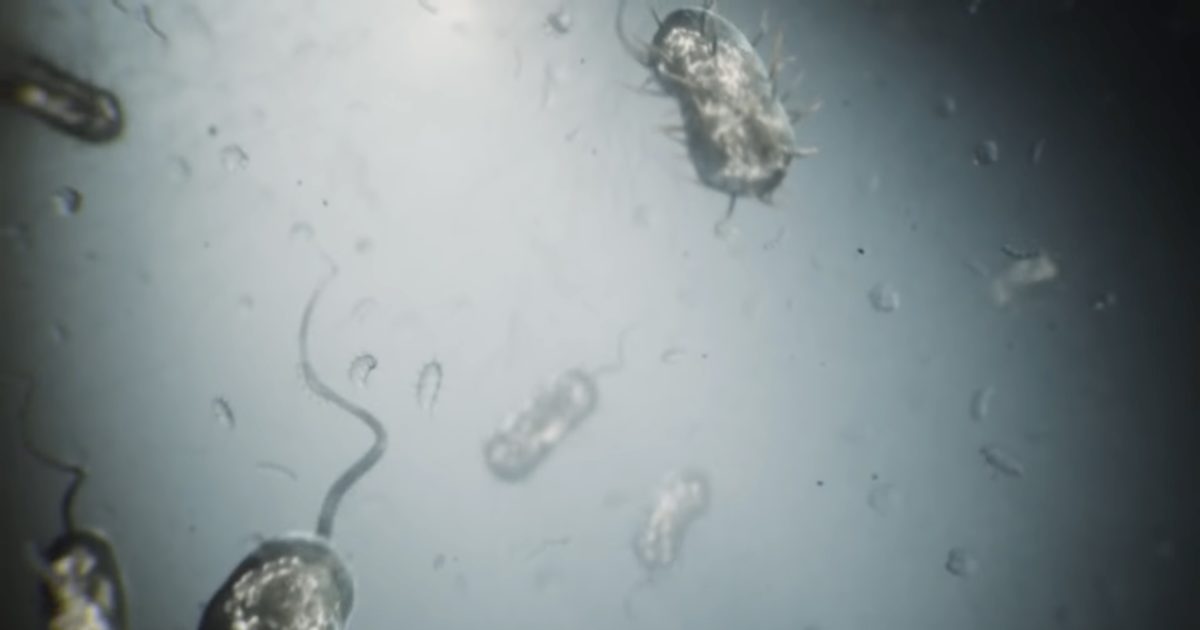
microbe 2
Image source: "Secrets of the Cell," via Discovery Institute.

“Bacteria Are Incredible” — Here Are More Illustrations
Much of our plastic debris accumulates in the oceans where it collects in huge revolving garbage patches on the surface called gyres. Read More ›
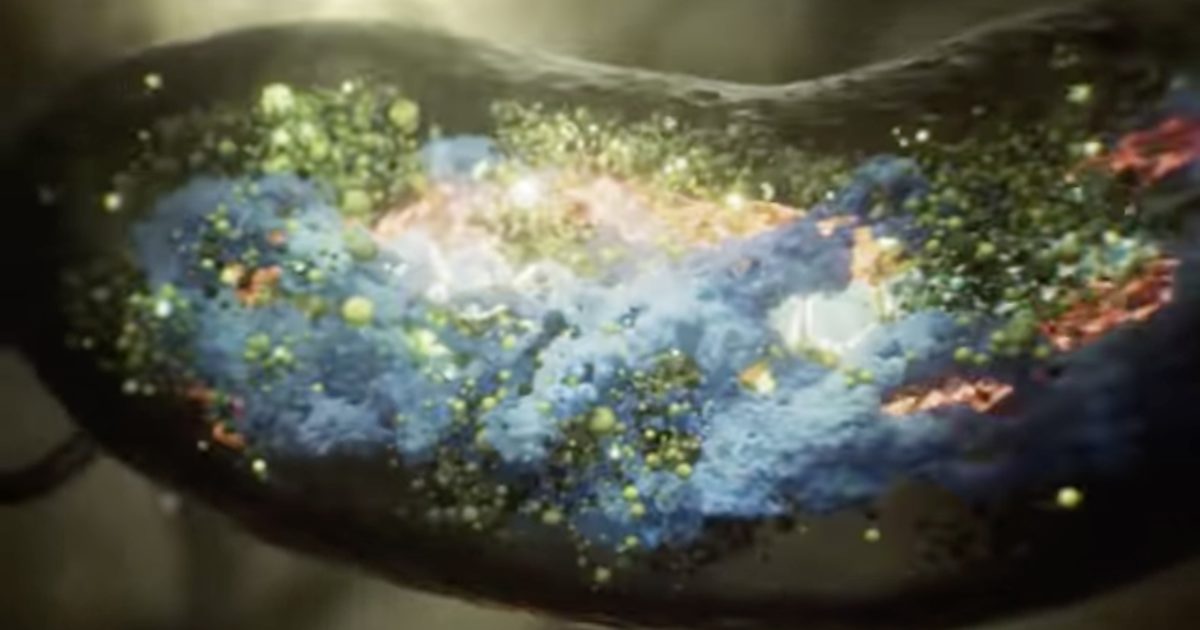
microbe 1
Image source: "Secrets of the Cell," via Discovery Institute.

Wonderful Microbes Are the Planet’s Ecosystem Engineers

The few pathogens among bacteria give a bad rap to the majority that do wonderful things — for us and for our environment. Read More ›
Secrets of the Cell
Image source: Discovery Institute.

2022 YouTube Film Festival: Secrets of the Cell
Dr. Behe showcases bacteria with their own navigation systems, microbes that eat plastic waste, and microscopic bugs that shoot 60 molecular “bullets” a second. Read More ›
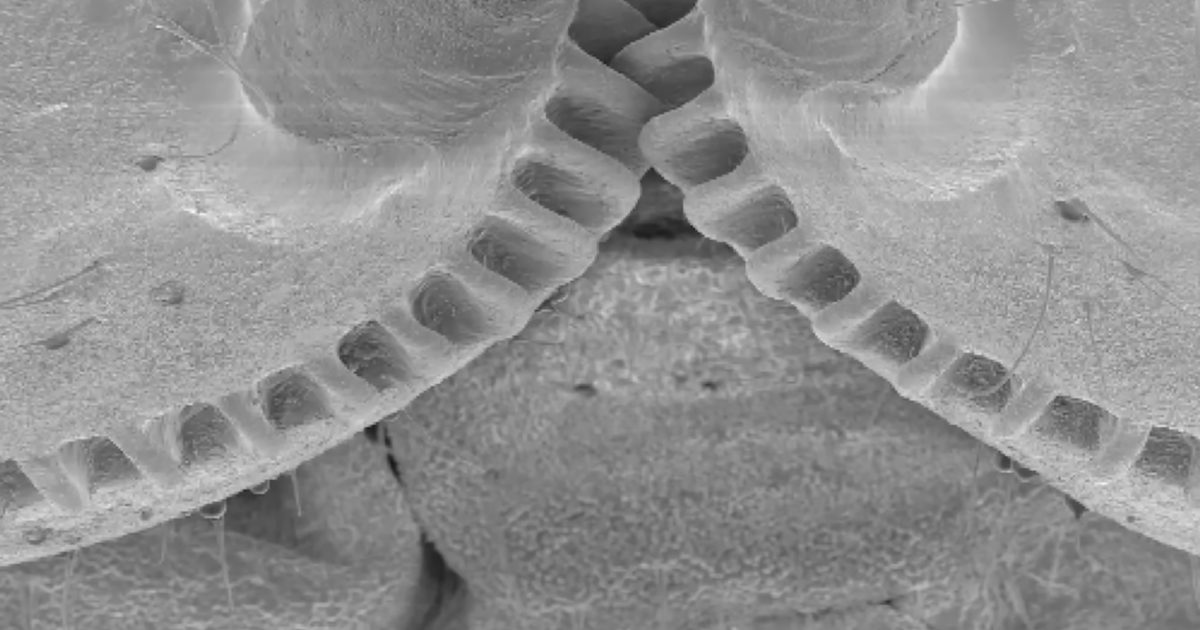
planthopper
Photo source: Discovery Institute.

Watch: Michael Behe Corrects Darwin’s Detour with a Cumulative Case for Intelligent Design
For thousands of years, the design of life was acknowledged by scientists and non-scientists, philosophers and physicians, religious and non-religious. Read More ›
bacterial flagellum
Image credit: Illustra Media.

Get a Load of This Souped-Up Hyperdrive Magnetotactic Bacterium
"MO-1 is a magnetotactic bacterium capable of orienting its cell body along the geomagnetic field lines by using magnetosomes." Read More ›
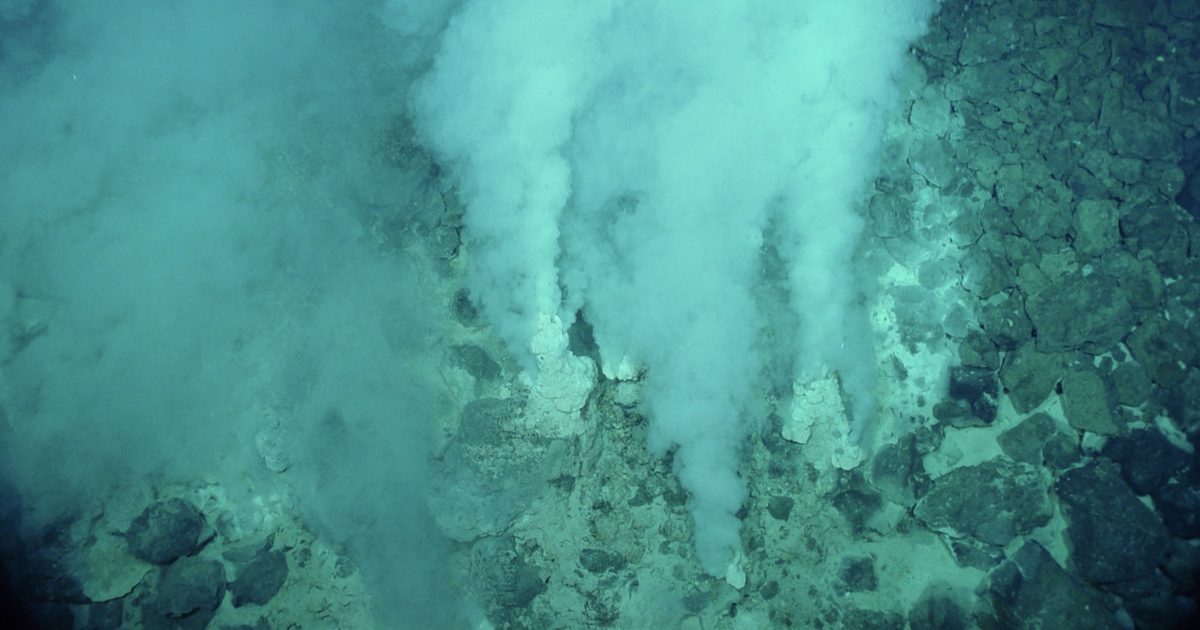
hydrothermal vents
Photo: Hydrothermal vents, by NOAA, Public domain, via Wikimedia Commons.

Existential Implications of the Miller-Urey Experiment

Words, even meaningless words, have the power to create their own virtual realities in our minds. Read More ›

© Discovery Institute