Martin Kulldorff, Sunetra Gupta, and Jay Bhattacharya Type post Author Wesley J. Smith Date February 22, 2024 CategoriesEvolutionMedicineScientific Freedom Tagged , “consensus science”, adult stem cells, anti-science, appendix, COVID-19, Darwinian evolution, embryonic stem cells, epidemiologists, FDA, Francis Collins, free speech, gender affirmation, George W. Bush, Great Barrington Declaration, gut bacteria, Jay Bhattacharya, knowledge, lockdowns, medicine, National Institutes of Health, pandemic, Royal Society, science, Scientific American, settled science, Stanford University, vestigial structures Stifling Opposition Is the Real “Anti-Science” Wesley J. Smith February 22, 2024 Evolution, Medicine, Scientific Freedom 6 In the Great Barrington Declaration, three noted epidemiologists questioned the wisdom of societal shutdowns and keeping children out of school. Read More ›
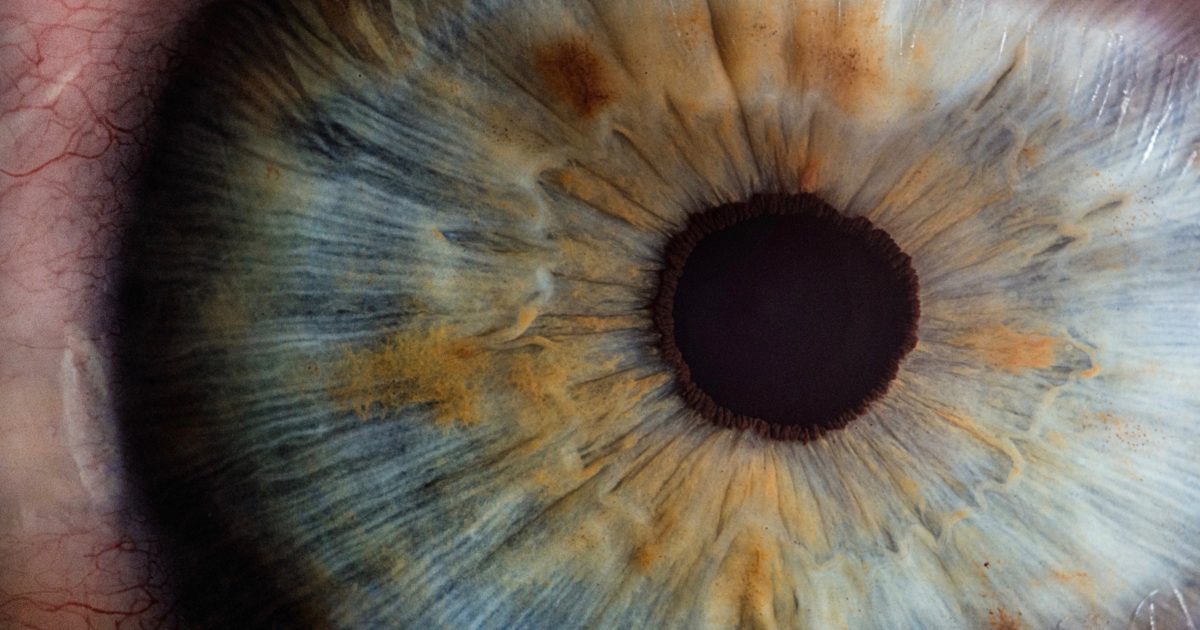
eye Type post Author Emily Reeves Date December 24, 2021 CategoriesBiologyEvolutionIntelligent Design Tagged , An Introduction to Systems Biology, ARF, bioengineering, biological information, Darwinian processes, diarrhea, Erika DeBenedictis, gut bacteria, INK4a, intelligent design, MIT, Müller cells, natural selection, neurons, optic nerve, photoreceptors, physiology, random mutation, Technion, TEDx talk, Uri Alon, vertebrate eye, vestigial structures #9 Story of 2021: Verdicts of “Poor Design” in Biology Have a Poor Track Record Emily Reeves December 24, 2021 Biology, Evolution, Intelligent Design 6 For years people cited the wiring of the vertebrate eye as evidence of “poor design” in biology. Read More ›
eye Type post Author Emily Reeves Date May 21, 2021 CategoriesBiologyIntelligent Design Tagged , "poor design", An Introduction to Systems Biology, ARF, bioengineering, biological information, Darwinian processes, diarrhea, Erika DeBenedictis, gut bacteria, INK4a, intelligent design, MIT, Müller cells, natural selection, neurons, optic nerve, photoreceptors, physiology, random mutation, Technion, TEDx talk, Uri Alon, vertebrate eye, vestigial structures Verdicts of “Poor Design” in Biology Don’t Have a Good Track Record Emily Reeves May 21, 2021 Biology, Intelligent Design 5 For years people cited the wiring of the vertebrate eye as evidence of “poor design” in biology. Read More ›

Campylobacter jejuni bacteria Type post Author Marcos Eberlin Date June 21, 2019 CategoriesIntelligent DesignMedicine Tagged , __k-review, appendix, Darwinian medicine, Darwinists, David Klinghoffer, dehydration, diarrhea, Escherichia coli, foresight, GUT, gut bacteria, intelligent design, Jerry Coyne, mammals, Marcos Eberlin, microbes, physiology, poverty, Salmonella, The Descent of Man, toxins, vestigial structures Diarrhea and Design: A Response to Jerry Coyne Marcos Eberlin June 21, 2019 Intelligent Design, Medicine 10 I respect Coyne’s position, but, lacking his faith, I interpret this evidence more naturally as pointing to an ingenious mind. Read More ›