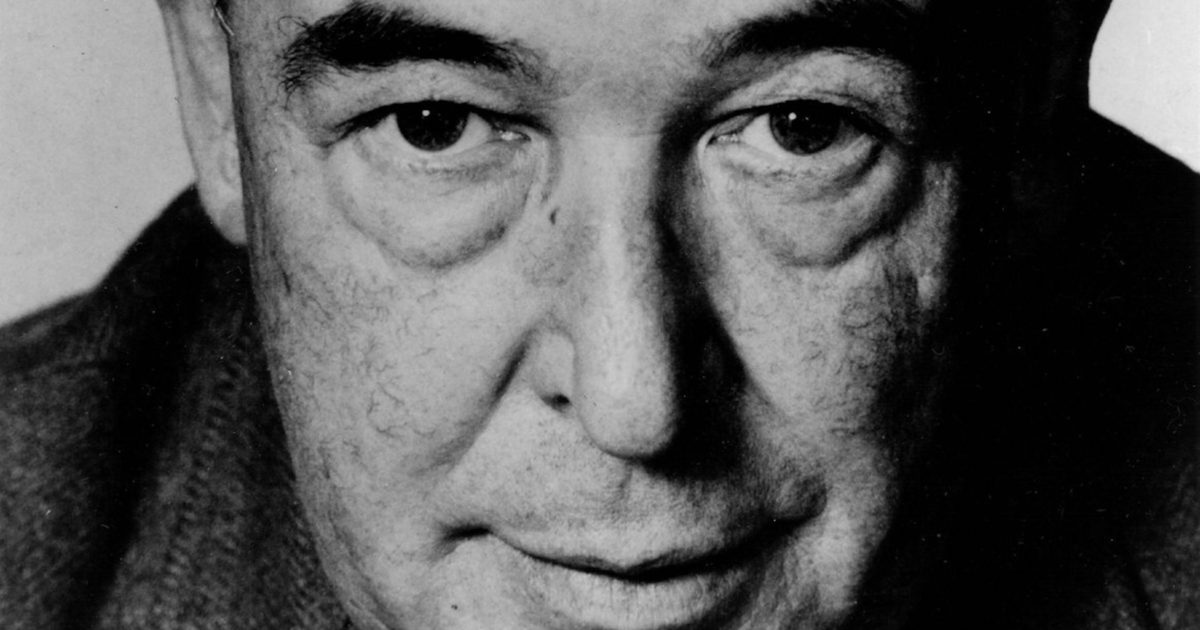
C.-S.-Lewis Type post Author Eric Hedin Date August 8, 2025 CategoriesEpistemologyFaith & ScienceNeuroscience & Mind Tagged , brain, C.S. Lewis, Denyse O'Leary, free will, Gödel's incompleteness theorems, human beings, insight, intelligent design, J.P. Moreland, Kurt Gödel, Michael Egnor, rational soul, sentience, souls, The Immortal Mind, Thomas Aquinas C. S. Lewis and the Rational Soul Eric Hedin August 8, 2025 Epistemology, Faith & Science, Neuroscience & Mind 6 Classical and medieval scholars would not be surprised at the mounting scientific evidence for the immaterial soul. Read More ›
mathematics Type post Date June 18, 2023 CategoriesFaith & ScienceNeuroscience & Mind Tagged , children, computer science, Gödel's incompleteness theorems, Gregory Chaitin, ID the Future, Kurt Gödel, logic, mathematician, Mind Matters, philosophers, podcast, Robert J. Marks II Gregory Chaitin on Gödel, Computer Science, and the Blessing of Children Science & Culture June 18, 2023 Faith & Science, Neuroscience & Mind 1 Robert J. Marks talks with the trailblazing mathematician about Kurt Gödel’s ontological proof for the existence of God, and more. Read More ›
Claude Shannon Type post Date December 10, 2018 CategoriesBiologyIntelligent DesignNeuroscience & MindPhilosophy of Science Tagged , __k-review, Being as Communion, blind search, Brian Miller, causation, Claude Shannon, Conservation of Information, David Snoke, David Wolpert, entropy, Eric Anderson, Evolutionary Informatics Lab, Gödel's incompleteness theorems, Great Barrier Reef, information, information theory, Interface Focus, materialism, Michael Keas, No Free Lunch theorems, Robert J. Marks II, robots, Royal Society, Santa Fe Institute, semantic information, Shannon information, Walter Bradley Center, William A. Dembski Trends in Philosophy of Science: What Does “Semantic Information” Mean? Science & Culture December 10, 2018 Biology, Intelligent Design, Neuroscience & Mind, Philosophy of Science 8 Theorists hope to alleviate a deficiency in Shannon information theory, which dealt only with the structure of a communication, not its semantics. Read More ›