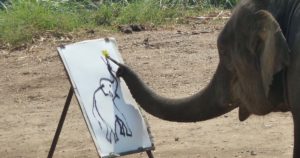
elephant Type post Author Wesley J. Smith Date October 5, 2018 CategoriesBioethics Tagged , __cedited, animal rights, animals, Argentina, Bronx Zoo, chimpanzees, Congress, Constitution, courts, elephant, frivolous lawsuits, habeas corpus, Happy (elephant), human rights, humans, judge, mirror, New York Court of Appeals, New York Post, Nonhuman Rights Project, orangutan, personhood Here We Go Again: Suing for “Elephant Rights” Wesley J. Smith October 5, 2018 Bioethics 4 Our care and treatment of animals arise from human duties, not conjuring rights for animals out of ideological zeal. Read More ›
1280px-Biandintz_eta_zaldiak_-_modified2 Type post Author Wesley J. Smith Date August 21, 2018 CategoriesBioethicsHuman Exceptionalism Tagged , __cedited, animal standing, animals, Argentina, chimpanzees, Congress, horses, judges, law, lawsuits, litigation, monkeys, Oregon, pets, rationality, San Francisco Chronicle, whales, zoo When Horses Sue Wesley J. Smith August 21, 2018 Bioethics, Human Exceptionalism 4 “Animal standing” would open the courts to lawsuits brought by animals. Read More ›
New York Court of Appeals 2 Type post Author Wesley J. Smith Date June 4, 2018 CategoriesBioethicsHuman Exceptionalism Tagged , __cedited, animals, Argentina, chimpanzees, Eugene M. Fahey, glaciers, nature rights, New York Court of Appeals, North Carolina State University, orangutan, personhood, Peter Singer, philosopher, rivers, writ of habeas corpus New York Judge Supports “Personhood” for Chimpanzees Wesley J. Smith June 4, 2018 Bioethics, Human Exceptionalism 4 Why the alarm? Remember, it only takes one judge. Read More ›
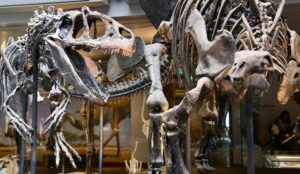
dinosaur explosion 2 Type post Author Cornelius Hunter Date April 18, 2018 CategoriesEvolution Tagged , __cedited, Argentina, Brazil, Cambrian Explosion, Cambrian News, creativity, dice, dinosaurs, ecosystems, evolution, fossil record, paleontology, skeletons, University of Bristol The Dinosaur “Explosion” Cornelius Hunter April 18, 2018 Evolution 2 "First there were no dinosaur tracks, and then there were many," says the lead author of a new study out this week. Read More ›