






































The Story of Everything is available now on Amazon Prime in the U.S., UK, Canada, Mexico, and Spain, with more countries to come. The Telegraph in Britain picked up on the Amazon release with an unusual and thoughtful review by senior features writer Peter Stanford, who is former editor of the Catholic Herald. He seems excited about the documentary almost despite himself.
He begins:
There is increasing evidence — a mix of anecdote and data — that what once seemed like the inevitable decline of religion in secularised Western society has recently been, if not quite reversed, then at least paused. Something in these anxious, divided times in which we live seems to be stirring. There are reports of rising numbers of young people going to church. Prominent scientists, for so long the prophets of a godless future, are coming out as Christians (including the widely admired psychiatrist Dr Iain McGilchrist). Pope Leo’s anti-AI stance has struck a chord with a generation not usually prone to listening attentively to papal pronouncements.
Set against such a backdrop, the timing of the visually stunning 100-minute documentary The Story of Everything makes perfect sense.
“Hard to Disagree with That”
He highlights the argument from “gratuitous beauty,” near the end of the film, that struck me powerfully as well and that I was thinking about over the weekend. Stanford describes how
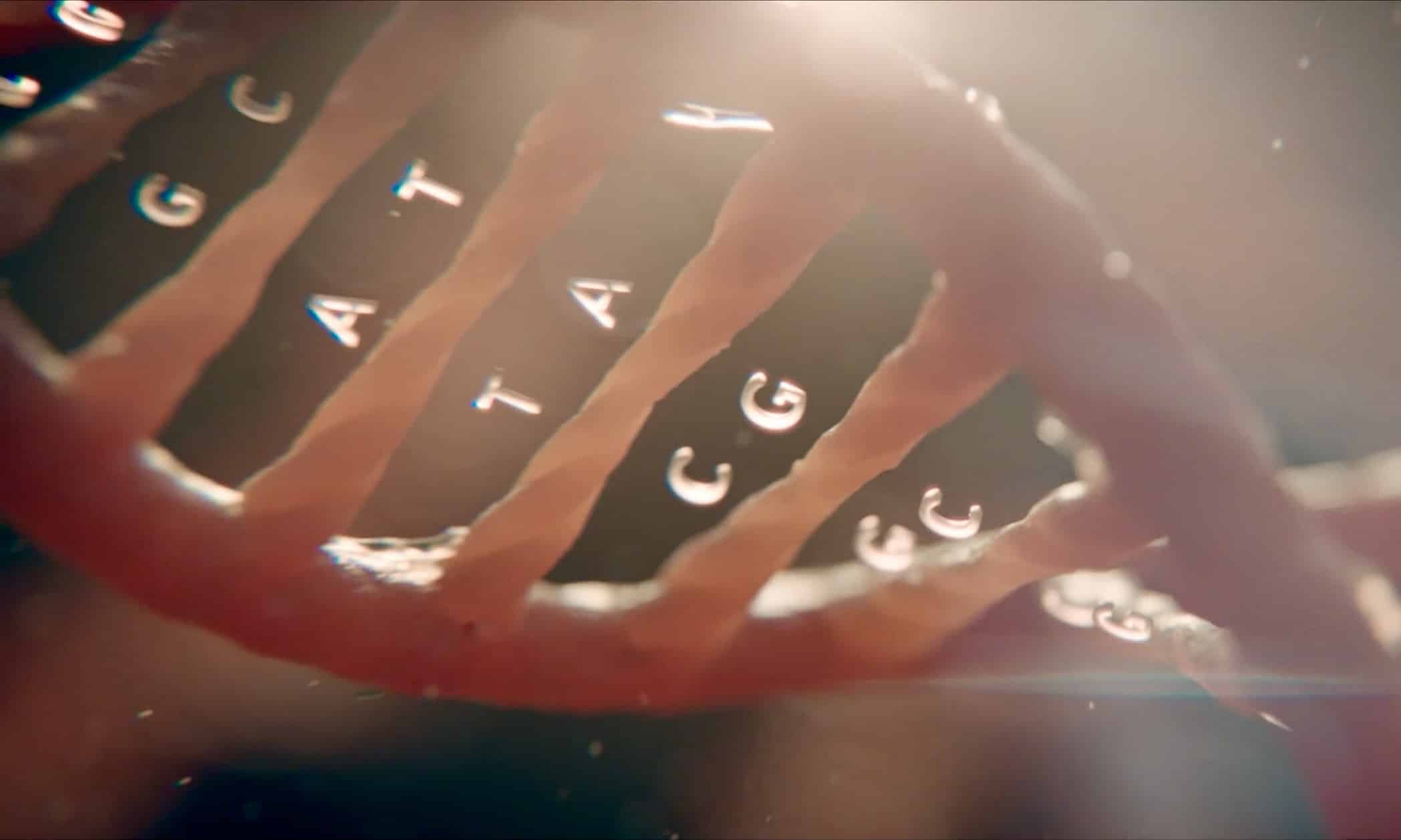
The Story of Everything really started to get its claws into me. And that was before we move on to Crick and Watson’s discovery of DNA’s double-helix structure — such an astonishingly complex structure, it is convincingly argued, that it could not simply have evolved out of chaos. This takes us into what is referred to as the “beauty problem”. Essentially, the Earth and its systems are so perfectly designed, the balance so finely calibrated (until human beings start interfering with it), and the sheer beauty of the planet so gratuitous, when simpler, plainer systems might have done just as well to ensure survival, that it becomes difficult to accept they were the result of the cosmic equivalent of a random multiple-car crash. Hard to disagree with that, I felt.
He concludes:
It will not, I confidently predict, turn an atheist into a believer in intelligent design. But it could well loosen a few bricks in the wall of certainty. There is enough plausible challenge and enough good science in there to make you think again.
Prompting you to “think again” is about as much as anyone could hope to do.