






































On a new episode of ID the Future, Dr. Casey Luskin concludes his conversation about the basics of intelligent design with Sam Kleckley, host of the Live Life in Motion podcast. You’ll find this interview (including Part 1) particularly helpful if you are new to the science of intelligent design yourself, or you have friends or family who are open to learning more.
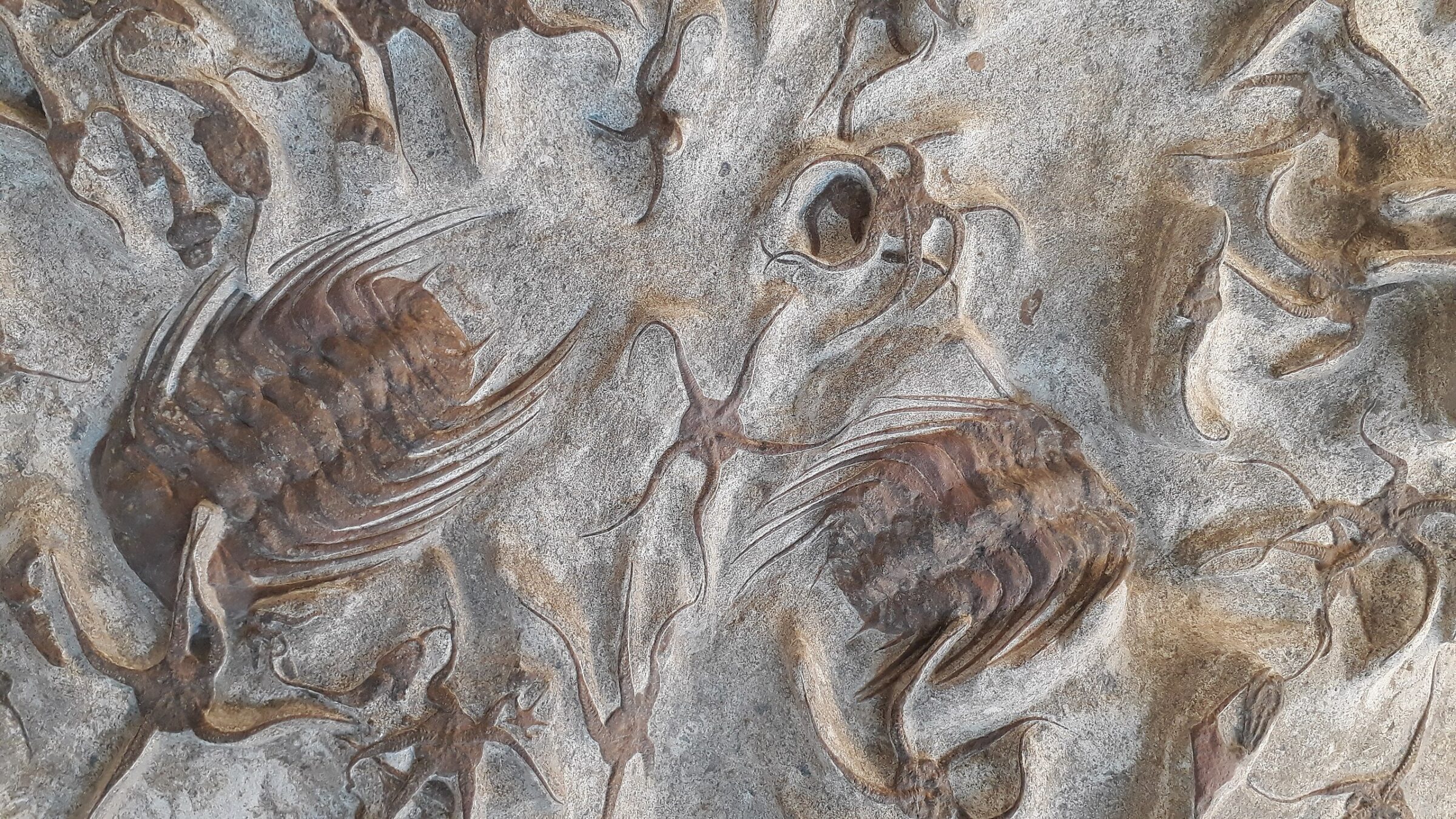
In Part 2, Dr. Luskin begins by discussing the fossil record and the abrupt appearance of new life forms, often referred to as “explosions.” Casey shares his perspective on how the patterns observed in the fossil record don’t always align with slow, gradual evolutionary transitions, suggesting instead a “rapid and massive infusion of large amounts of information into the biosphere.” He discusses the idea that this abrupt appearance of new organisms, from major animal groups to even our own genus Homo, might be better explained by intelligent design.
Luskin also tackles the often-debated question of the intelligent agent behind this design. Casey clarifies that the intelligent design community includes people from diverse backgrounds, united by the belief that there is evidence in nature for a designer, a concept that stands apart from specific religious views. He even mentions examples of atheists and former atheists who find intelligent design a compelling idea.
In the realm of education, Casey addresses the controversy surrounding teaching evolution and intelligent design in schools. He advises that while Darwin’s theory should be taught, students should also learn about the evidence that challenges the evolutionary paradigm. Casey also mentions the challenges faced by scientists who question the evolutionary paradigm, highlighting the intolerance sometimes found within the scientific community towards dissenting views.
Again, whether you’re familiar with intelligent design or this is a new concept for you, this conversation with Casey promises to offer valuable insights and different perspectives on these fundamental questions.
We’re grateful to Sam Kleckley and his Live Life in Motion podcast for permission to share this exchange on ID the Future.
Download the podcast or listen to it here. This is Part 2 of a two-part conversation. Listen to Part 1.
Dig Deeper
- Need a one-stop shop for basic info and helpful resources about the theory of intelligent design? Check out IntelligentDesign.org.
- In this recent interview with The Daily Wire’s Andrew Klavan, Dr. Luskin explains what sets intelligent design apart from theories of unguided evolution: