






































Science and Culture Today Discovering Design in Nature
Latest

Bioengineered Human Life Would Not Be “Artificial”

Categories
Bioethics
Medicine
Science Reporting
Technology
Share
Facebook
Twitter/X
LinkedIn
Flipboard
Print
Email
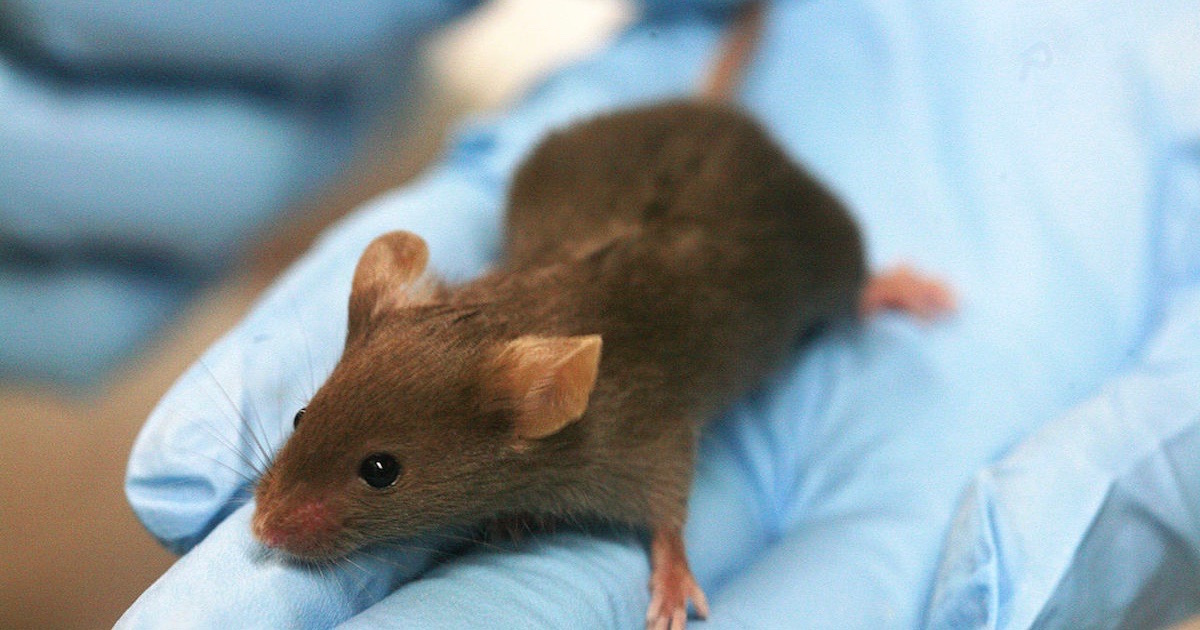
lab-mouseLab mouse

Big news in biotech: Scientists created what appeared to be a mouse embryo using stem cells. From the Telegraph story:

Artificial human life could soon be grown from scratch in the lab, after scientists successfully created a mammal embryo using only stem cells.

Cambridge University mixed two kinds of mouse stem cells and placed them on a 3D scaffold. After four days of growth in a tank of chemicals designed to mimic conditions inside the womb, the cells formed the structure of a living mouse embryo.

The breakthrough has been described as a ‘masterpiece’ in bioengineering, which could eventually allow scientists to grow artificial human embryos in the lab without the need for a sperm or an egg.

First, this wouldn’t be “from scratch,” as if they scientists brewed DNA from raw chemicals. It involved existing cells.

Second, we already know that mammalian life can be created without egg and sperm as, for example,  in cloning, of which this is a variant technique that fuses different cells into a new organism.

Third, IF they ever create a human organism in this way, it would not be an “artificial life” but a real and fully human being that should be treated as such in ethics and in law.

Photo: Lab mouse, by Rama [CeCILL or CC BY-SA 2.0 fr], via Wikimedia Commons.

Cross-posted at The Corner.

Wesley J. Smith

Chair and Senior Fellow, Center on Human Exceptionalism
Wesley J. Smith is Chair and Senior Fellow at Discovery Institute’s Center on Human Exceptionalism. Wesley is a contributor to National Review and is the author of 14 books, in recent years focusing on human dignity, liberty, and equality. Wesley has been recognized as one of America’s premier public intellectuals on bioethics by National Journal and has been honored by the Human Life Foundation as a “Great Defender of Life” for his work against suicide and euthanasia. Wesley’s most recent book is Culture of Death: The Age of “Do Harm” Medicine, a warning about the dangers to patients of the modern bioethics movement.
Benefiting from Science & Culture Today?
Support the Center for Science and Culture and ensure that we can continue to publish counter-cultural commentary and original reporting and analysis on scientific research, evolution, neuroscience, bioethics, and intelligent design.

© Discovery Institute