Science and Culture Today Discovering Design in Nature
Topic

neurosurgeons

After Death
Photo source: Angel Studios.

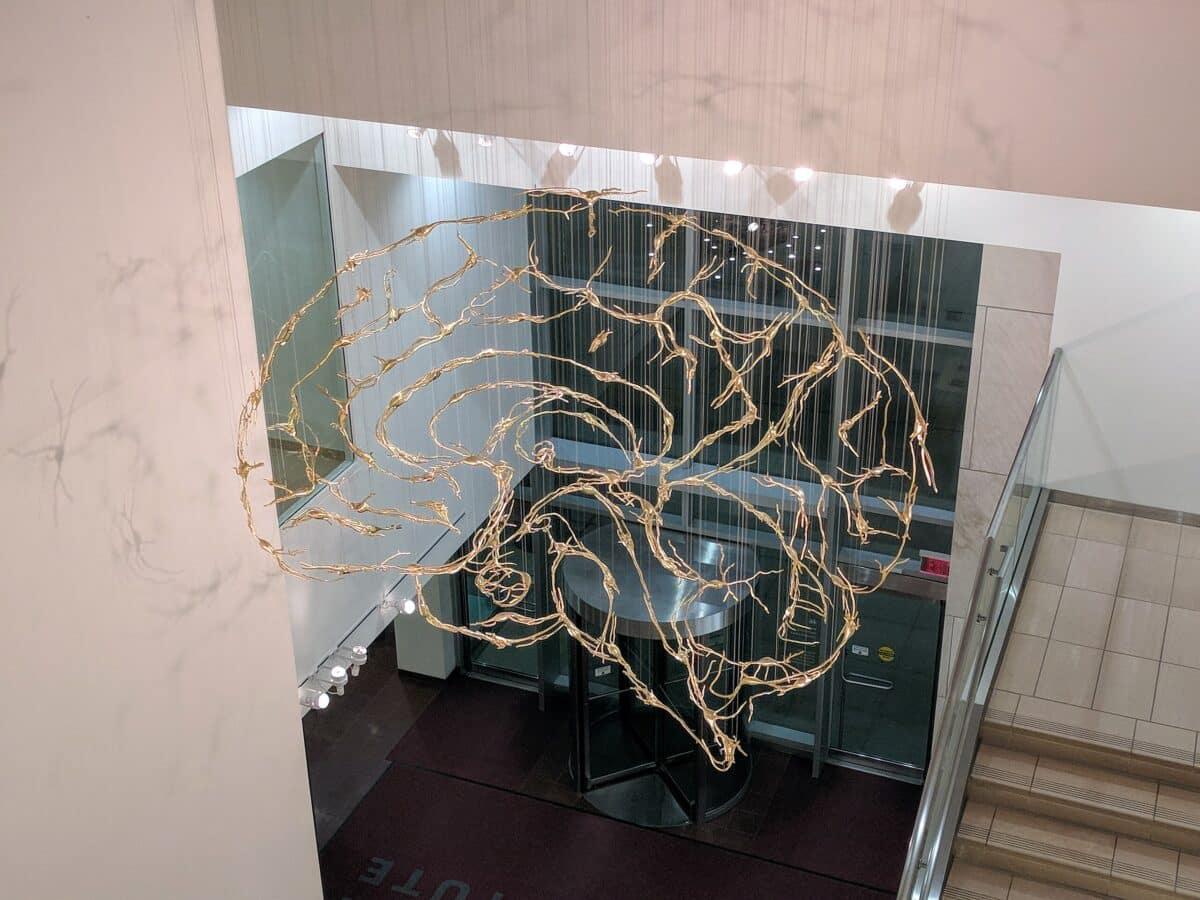
After Death — A Riveting Glimpse of the Hereafter
There sure are a lot more things about reality than are captured by a narrow naturalistic view. Read More ›
Aleksandr-Solzhenitsyn
Photo: Aleksandr Solzhenitsyn, by Bert Verhoeff for Anefo, CC0, via Wikimedia Commons.

Live Not by Lies: Aleksandr Solzhenitsyn and Intelligent Design

When one person stands up to lies or oppression, others can become emboldened to do the same. Read More ›
near-death experience
Photo credit: Jr Korpa via Unsplash.

Are Near-Death Experiences Science Now?
The laughter has died down? Good. It was modern medicine — not religion — that created the hard evidence for credible near-death experiences. Read More ›
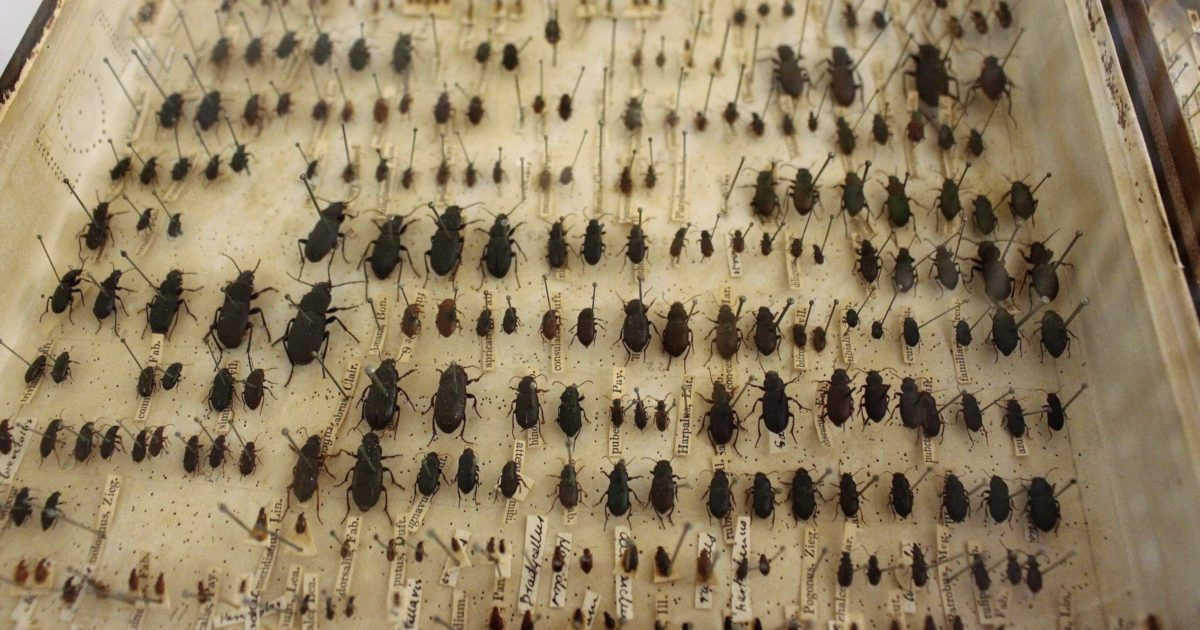
Beetles collected by Charles Darwin
Photo: Beetles collected by Charles Darwin, by Emőke Dénes, CC BY-SA 4.0 <https://creativecommons.org/licenses/by-sa/4.0>, via Wikimedia Commons.

Evolution: How Darwin’s Four Causal Factors Fail

Systems engineer Steve Laufmann explains why the four lack the power to generate life’s great variety of forms. Read More ›
Michael Egnor
Photo: Michael Egnor, by Nathan Jacobson.

A Neurosurgeon and an Engineer Explore Your Body’s Intelligent Design

Dr. Michael Egnor makes the surprising confession that his medical library is full of engineering texts. Read More ›
human brain
Image credit: Ars Electronica, via Flickr (cropped).

Dualism and Materialism in Modern Neuroscience
Wilder Penfield concluded that free will is not in the brain — it is an immaterial power of the mind.  Read More ›
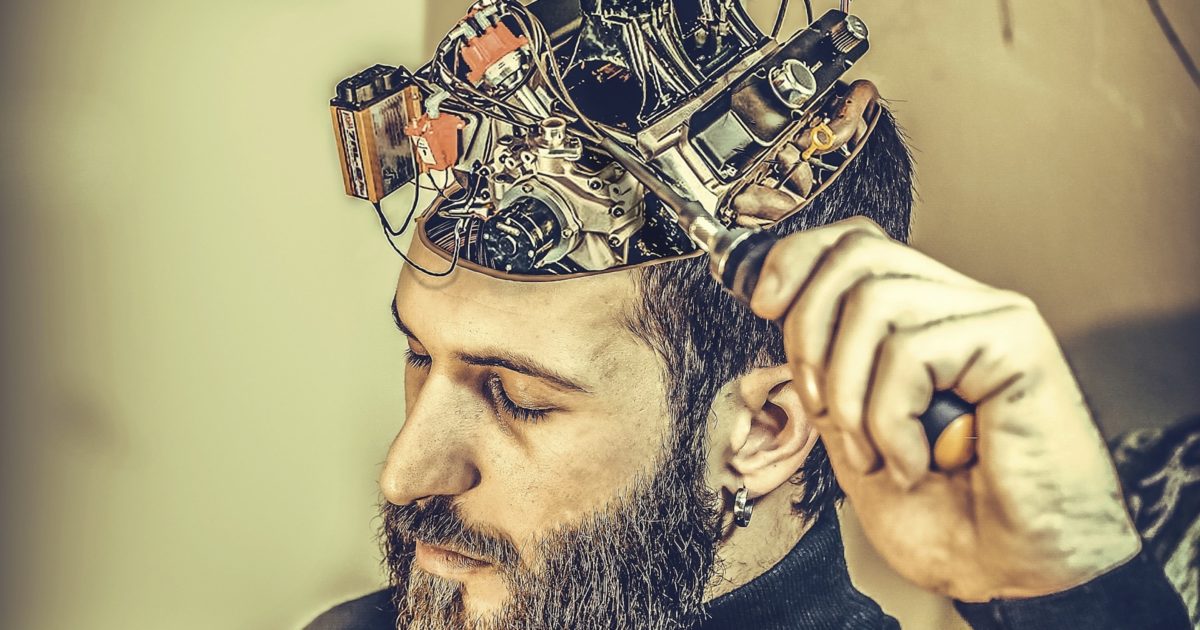
mechanical brain
Image source: aytuguluturk via Pixabay.

Neurosurgeon and Neuropsychologist Agree: The Brain Is Not the Mind

"I had to understand what people were and what the mind was in order to make sense of neuroscience! And I still find that." Read More ›
brain
Photo credit: David Matos via Unsplash.

Why a “Budding” Neuroscientist Is Skeptical of Brain Scans

A major thrust of neuroscience has been the use of fMRI to correlate brain activity with thinking and to draw conclusions about the physical basis of the mind. Read More ›

© Discovery Institute