Homo-neanderthalensis-im-Gesprch-mit-sapiens-sapiens Type post Author David Coppedge Date November 18, 2025 Tagged , Alison George, attraction, Chauvet Cave, crayons, Crimea, Darwinian assumptions, Denisovans, Denyse O’Leary, DNA, Durham University, Europeans, finger flutings, genes, handprints, historical racism, Homo sapiens, human genome, human nature, intelligence, introgression, John Hawks, Kristina Killgrove, Krystal Kasal, Michael Gross, modern humans, Neanderthal art, Neanderthals, NOVA1, ochre, ornaments, Paul Pettitt, PIEZO1, PNAS, Racism, Siberia, skulls, speleothems, Taiwan, teeth, Zurich With Neanderthals and Denisovans, We Are All the Same Kind of Being David Coppedge November 18, 2025 7 Evolutionary anthropologists need to stop putting people groups into “less evolved” categories. It’s a form of historical racism. Read More ›
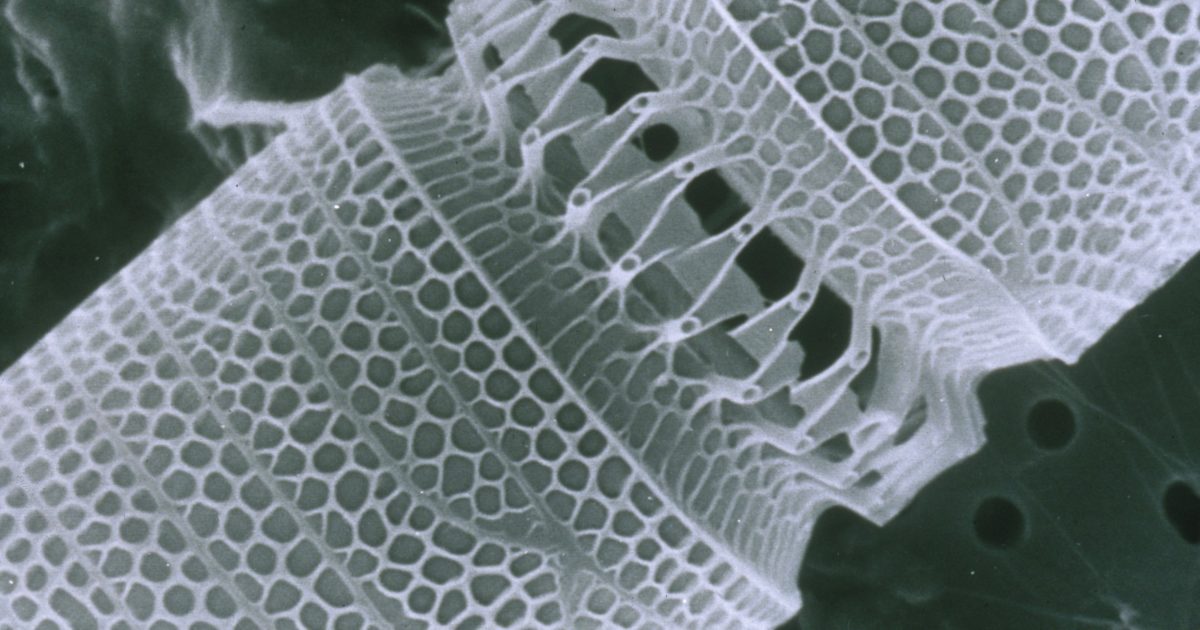
diatom Type post Date August 4, 2021 CategoriesEngineeringIntelligent DesignLife Sciences Tagged , archaea, bacteria, beauty, Blaise Pascal, Caltech, Current Biology, diatoms, electron microscope, eukaryotes, frustules, Germany, God Hypothesis, Gothic cathedrals, Michael Gross, microbes, Nature by Numbers, Nature Scientific Reports, Poland, purpose Diatoms, an Evolutionary Mystery, Come into Nano-Focus Science and Culture August 4, 2021 Engineering, Intelligent Design, Life Sciences 9 The jewels of the microbial world, when seen with new nano-scale imaging techniques, look like little modernist cathedrals. Read More ›
taneli-lahtinen-754080-unsplash Type post Date June 6, 2019 CategoriesEvolutionReproductive Science Tagged , __k-review, bats, bird song, birds, chromosomes, clades, climate change, collagen, crocodilians, Current Biology, Darwinism, evolution, Flight, genome, Immune System, intelligence, light, mammals, Michael Gross, migration, phylogeny, PNAS, positive selection, syrinx, transcriptome Birds and Bats: How Bright Is Evolutionary Light? Science and Culture June 6, 2019 Evolution, Reproductive Science 8 The media are generous with claims that new findings “shed light” on evolution. Read More ›