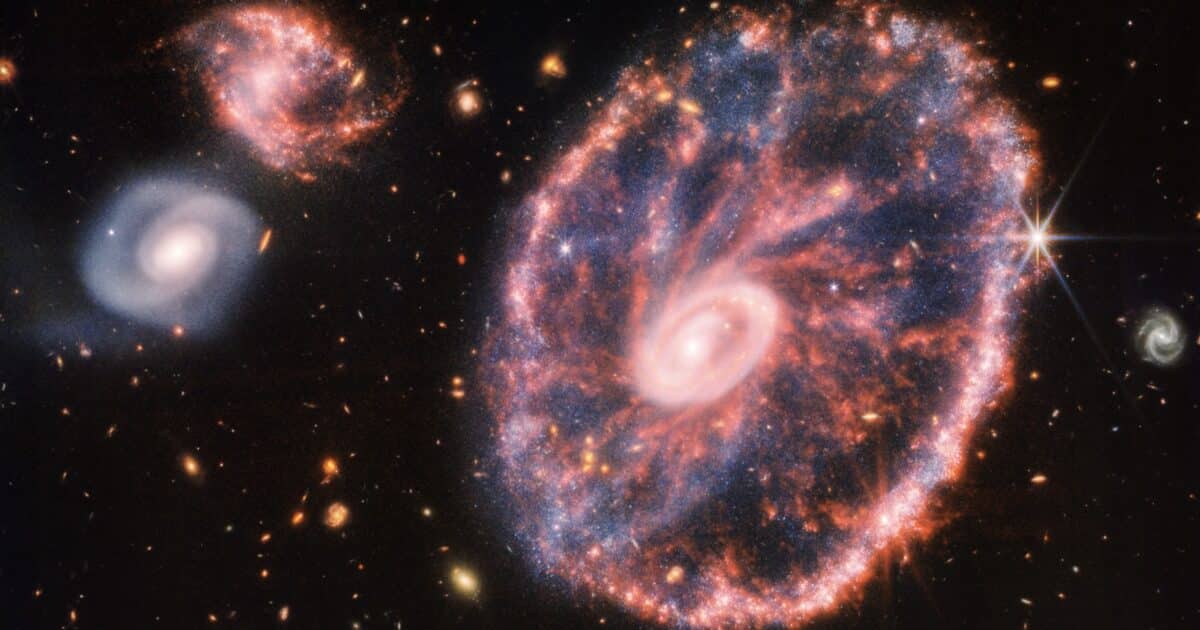
Cartwheel Galaxy Type post Author David Klinghoffer Date September 23, 2022 CategoriesCosmologyFaith & SciencePhysical SciencesPhysics Tagged , Albert Einstein, astronomers, Big Bang, Cosmic Background Radiation, Eric Lerner, galaxies, galaxy formation, Genesis, Georges Lemaître, God Hypothesis, infrared radiation, James Webb Space Telescope, materialism, media, photon, redshift, Return of the God Hypothesis, Sabine Hossenfelder, Scientific American, Stephen Meyer, The Daily Wire, tired light, universe Meyer: Webb Telescope Confirms a Cosmic Beginning David Klinghoffer September 23, 2022 Cosmology, Faith & Science, Physical Sciences, Physics 3 The philosophical stakes were just too enormous. Materialism could not accept so massive a confirmation of Genesis 1:1: “In the beginning…” Read More ›
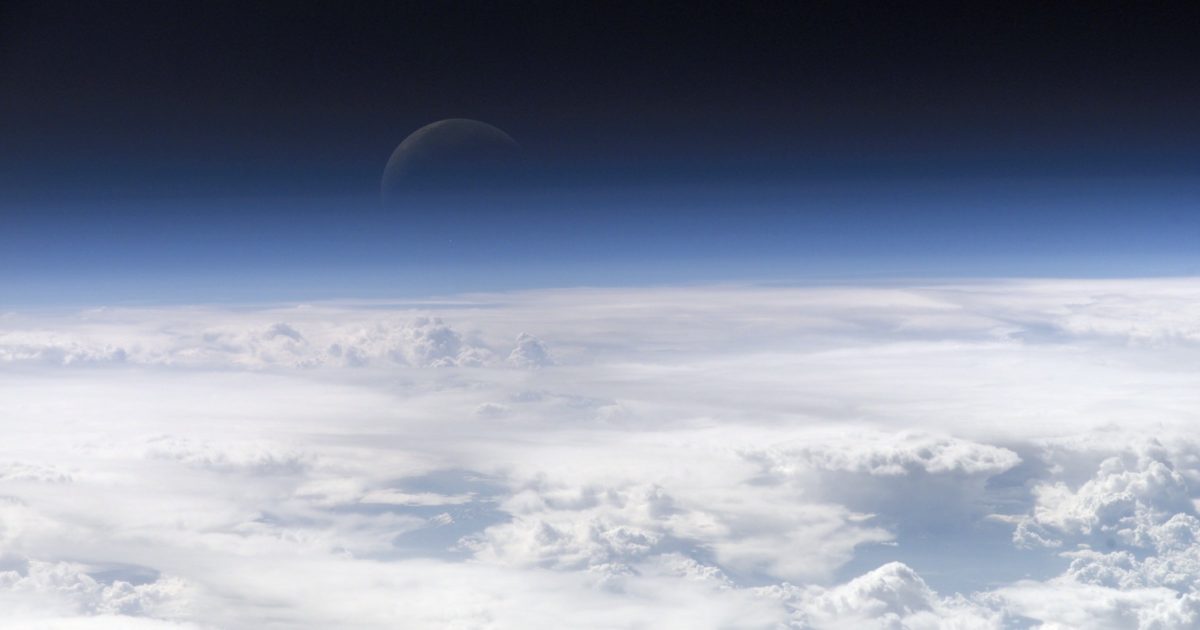
Top_of_Atmosphere 2 Type post Author Michael Denton Date May 17, 2022 CategoriesBiologyChemistryIntelligent DesignPhysical Sciences Tagged , aerobic life, atmosphere, atmospheric gases, carbon dioxide, Carl Sagan, earth, extraterrestrial life, greenhouse effect, Homo sapiens, infrared radiation, intelligent design, light-eaters, metabolism, NASA, nitrogen, oxygen, ozone, photosynthesis, silicate weathering, sun, sunlight, The Miracle of Man, Venus, visual light, water vapor Earth’s Atmosphere Demonstrates Stunning Biocentric Fine-Tuning Michael Denton May 17, 2022 Biology, Chemistry, Intelligent Design, Physical Sciences 15 For photosynthesis to proceed on a planet like Earth, sunlight (visual light) must penetrate the atmosphere all the way to the ground. Read More ›
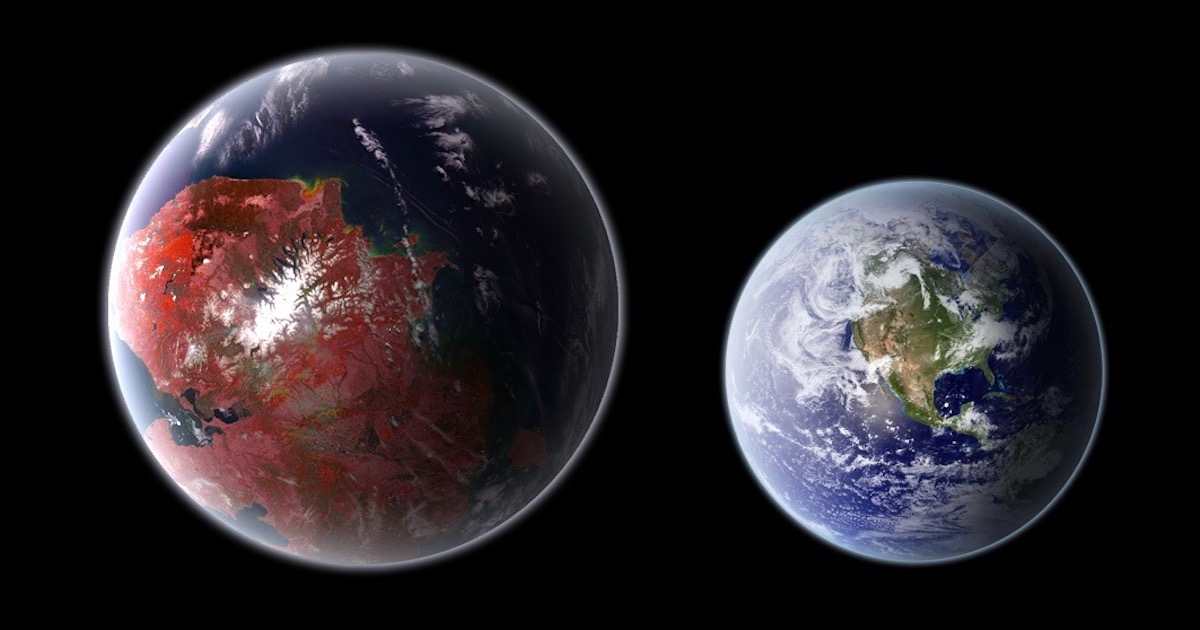
Kepler-442b Type post Author Casey Luskin Date June 30, 2021 CategoriesPhysical Sciences Tagged , atmosphere, biomolecules, biosphere, carbon, carbon dioxide, Children of Light, CNET, cofactors, earth, enzymes, evolution, Forbes, galactic habitable zone, habitability, hydrogen, infrared radiation, Michael Denton, Moon, oxygen, photosynthesis, planets, radiation, unguided evolution Study: Planets Capable of Sustaining Photosynthesis Are Extremely Rare Casey Luskin June 30, 2021 Physical Sciences 11 So how did the paper determine that photosynthesis has an “overall simplicity,” despite the complexity just described? Read More ›
Disonycha_xanthomelas Type post Date May 11, 2020 CategoriesIntelligent DesignLife Sciences Tagged , An Uplifting Story, bottlenose dolphins, catapult, dandelions, Darwinism, dolphins, evolution, fish stocks, flea beetle, flea beetles, Francis Collins, Illustra Media, infrared radiation, intelligent design, killer whales, Lehigh University, Michael Behe, National Institutes of Health, origami, parachute, PNAS, toothed whales, U.S. Navy, Zookeys In Biology, Intelligent Designs that Amaze, Amuse, and Entertain Science and Culture May 11, 2020 Intelligent Design, Life Sciences 7 Animals and plants keep giving scientists and engineers ideas for biomimetic designs. Sometimes observing the organisms is just plain fun. Read More ›